

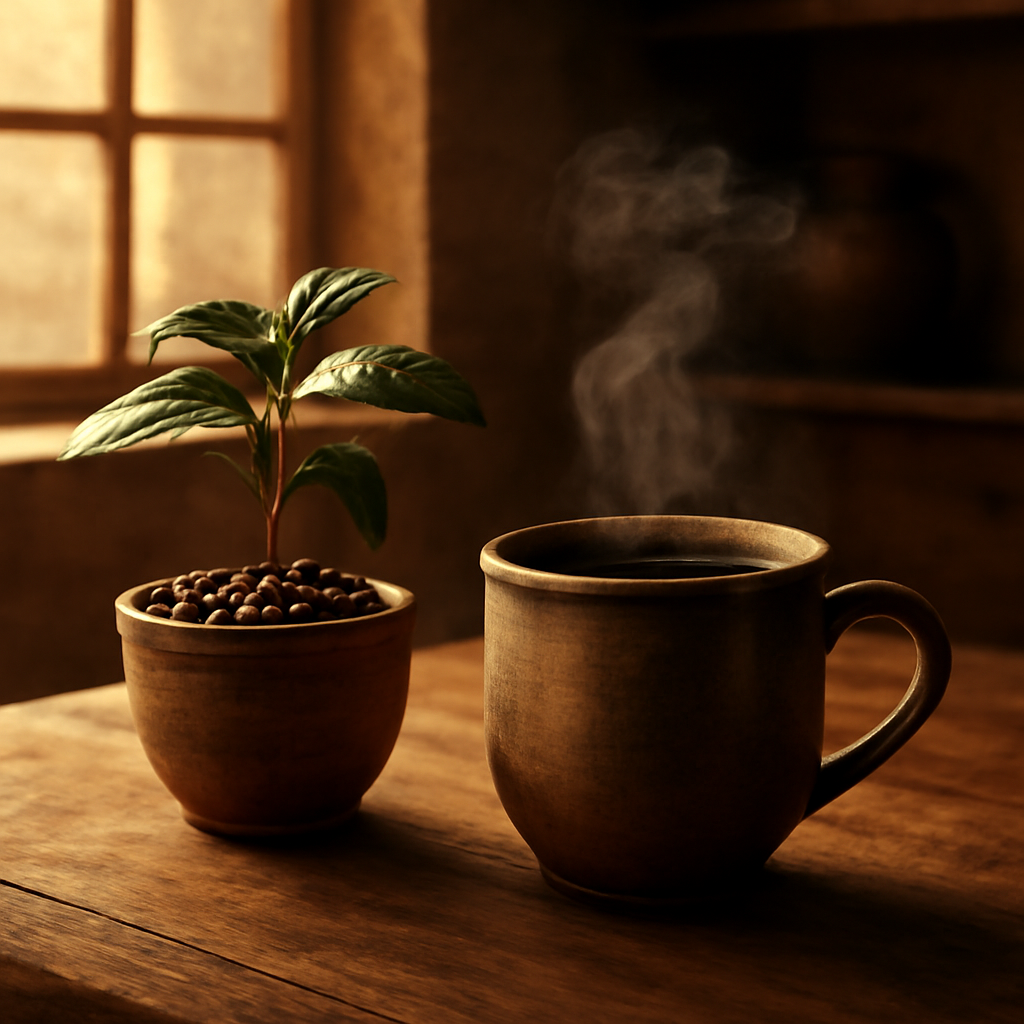
Ever wonder why some mugs feel heavier, as if holding a secret? That weight is the story of a bean that traveled oceans and valleys before landing in your cup.
When you sip, you’re not just tasting roast; you’re tasting the hands that planted, harvested, and traded it.
Fair trade coffee is a pact that turns caffeine into kindness. It’s about paying growers a living wage, investing in schools, and giving farmers a voice.
In the realm of Frostveil, we handpick roasts that echo the same spirit. Each bean has a backstory—sometimes a village, sometimes a quest.
Think about the night you’re curled up with a fantasy tome. That cozy glow, that crackling hearth—now imagine that same warmth in a cup that’s ethically sourced.
Fair trade isn’t just a buzzword. It’s a living ledger you can see in the farmer’s smile, in the school’s new library, in the village’s clean water.
When you choose our brews, you’re buying a potion that fuels a community, not just a caffeine hit.
So, how does that translate into taste? Imagine a subtle earthiness that lingers like a dragon’s breath—soft, powerful, unforgettable.
What if every sip helped plant a tree or fund a library? That’s the kind of magic we’re brewing together.
So, the next time you open a Frostveil pack, think of the farmers, the children, the village. Let the fair trade promise be the spell that keeps your cup—and your conscience—full.
Beyond taste, fair trade coffee carries a story of resilience. Farmers often face climate shocks, but the fair trade cushion lets them invest in drought-resistant crops or renewable energy for their fields.
When you pour a cup, imagine a tiny seed growing in a farmer’s field, soaking the same earth that once whispered the legends of dragons.
You’re not just buying coffee; you’re supporting a chain of artisans who keep the old world alive while brewing the new.
So, if you’re a grimdark aficionado who loves a dark roast, consider that the bitterness comes from soil that was treated with care, not cruelty.
TL;DR
Fair trade coffee is more than a brew; it’s a pact that uplifts farmers, funds schools, and keeps the myth of a resilient harvest alive in every cup. With Frostveil’s fantasy‑inspired roasts, you can taste that commitment, support a village’s clean water, and let your morning spell be both bold and benevolent.
The Quest for Ethical Grounds
When you pour a cup of Frostveil’s dark roast, you’re not just tasting a bean—you’re holding a story that spans mountain ridges and market stalls. The weight of that story comes from the people who grew, harvested, and negotiated each bean’s journey.
Fair trade coffee is more than a promise; it’s a ledger that lives on the farmer’s tongue, in the school bell, and on a child’s first sketchbook page. In the world of Frostveil, that ledger is written in runes of sustainability and brewed with a splash of magic.
We’ve watched farmers in the highlands use fair trade premiums to plant shade trees that keep their soils alive during droughts. We’ve seen teachers in the villages receive new desks because a small, fair price per pound went straight into their budgets. Every sip you take is a tiny act of payment for those stories.
So, what’s the real difference between a fair trade cup and a regular one? It’s not just the numbers on a label—it’s the certainty that the farmer’s family can afford a roof that doesn’t leak on a rainy night, that the village can keep a well that never runs dry, and that the next generation can read a book under a lantern instead of a candle.
Our roasts are sourced from cooperatives that follow strict fair trade standards. They’re not only free from child labor and exploitative practices, but they also adopt regenerative farming—agroforestry, crop rotation, and composting—to keep the earth as generous as it has always been.
Let’s be real: the world’s coffee supply chain is a maze. It’s easy to lose track of who got paid, where the money went, and how it helped someone. That’s why we keep the chain visible, from bean to cup, and why we talk about it so openly. If a buyer knows a farmer’s name, the purchase feels like a handshake rather than a transaction.
In our experience, customers who learn the backstory of their brew are more likely to stay loyal and even recommend the drink to friends. That loyalty feeds the same loop: more fair trade income for the farmers, more community investment, and more stories that we can share.
Want to take the experience further? Consider pairing your brew with a custom reusable bottle from custom reusable bottles from Quench Bottles. They’re made locally, printed with vibrant colors, and built to keep your coffee at the perfect temperature—whether you’re at a desk or on a quest.
While you’re sipping, imagine the glow of a lantern in a small classroom, the sound of a child laughing as they draw a dragon, and the whisper of a breeze through newly planted trees. Those images are the heart of fair trade coffee.
After the video, let’s talk about how you can bring that lore into your own living space.

One way to keep the story alive is to decorate your environment with pieces that echo the themes of the beans. A set of abstract landscape paintings from abstract landscape art from Gratitude Studios can turn any wall into a portal to the fields where your coffee grew.
Back to the cup itself, the fair trade certification guarantees that every bean has been grown with care. The farmers invest that extra money in community projects—like building a well or a library—so the next harvest can be even better.
When you choose Frostveil’s fair trade roasts, you’re not just buying a drink; you’re buying a pledge to protect the planet and people who depend on it. It’s a small price for a big story, a small act that echoes like a spell through the world.
So, the next time you brew a cup, remember the journey it’s taken you. Let your taste buds taste the dedication, and let your conscience feel the gratitude.
Explore how our roasts weave lore into flavor with Exploring Fantasy Coffee: A Guide to the Enchanted Brew of Frostveil.
Brew Like a Bard: Crafting the Perfect Cup
When the sun dips below the misty peaks, you’re not just brewing coffee—you’re summoning a spell that warms body and soul. In the realm of fair trade coffee, the ritual is as rich as the stories that travel with each bean.
Step 1: Choose Your Potion
First, pick a roast that echoes the mood of your adventure. Whether it’s the deep, smoky notes of a “Midnight Ember” or the bright citrus lift of a “Dawn Brisk,” the bean’s origin sets the stage. Fair‑trade certifications guarantee the farmers who grew them earned a living wage and the land stays healthy, so you’re brewing with integrity.
Step 2: Gather Your Tools—Like a Master Brewer
Think of your kettle, filters, and grinder as your trusty gear. A copper V60 dripper, a ceramic Chemex, or a simple French press can each bring out different facets of the coffee’s flavor. For those who love the tactile feel of brewing, a hand‑held scale and timer give you that precise control you’d find in a wizard’s spellbook.
Step 3: Water—The Secret Ingredient
Water quality often gets ignored, but it’s the stage upon which the beans perform. Use filtered or bottled water with a pH close to 7.0. A temperature between 195°F and 205°F is ideal for most drippers, while a slightly lower heat works wonders for a richer, smoother cup.
Step 4: The Grind—Shaping the Aroma
Grind size matters like a rune in a spell. Fine grounds for a French press, medium for a V60, and coarse for a cold brew. Adjust the grind until the extraction time feels like the beat of your heart—between 2.5 and 3 minutes for a V60, roughly 4 minutes for a French press.
Step 5: Pouring—A Dance of Rhythm
Start with a bloom: pour just enough water to saturate the grounds, let them puff for 30 seconds, then finish the pour in a steady spiral. This technique releases the coffee’s hidden gems—think of it as the first incantation that unlocks the brew’s true power.
Pro Tips from a Bard‑Brewer
1. Use a digital scale and timer; it turns chaos into precision. 2. Clean your equipment regularly—old coffee oils can taint the flavor. 3. Experiment with single‑origin beans; each country has its own personality that can inspire a story.
Here’s a quick checklist you can keep on your table:
- Origin & certification verified
- Proper grind size for chosen method
- Filtered water, correct temperature
- Clean equipment, calibrated scale
Want to elevate your brewing arsenal? Explore tools that respect the planet, like the eco‑friendly coffee filters and stainless‑steel kettles available from grounds for change’s sustainable merchandise collection.
After the brew is ready, pause and inhale the aroma—there’s a moment where the magic feels tangible. It’s not just about taste; it’s a story you carry in every sip.
Finally, remember that the journey from bean to cup is a pact of kindness. When you sip, think of the farmers, the village, and the cool night sky. Each cup is a spell, a promise that the world will keep turning fair and fragrant.
And if you ever feel the grind getting dull, remember that each bean carries a story of a farmer’s dream. Supporting fair trade is like casting a protective shield over that dream, letting it bloom for generations.
Aromatic Tales: Flavor Profiles of Fair Trade Brews
Fair trade coffee isn’t just a promise of fair wages and safer farms. It’s a gateway to aroma and flavor that can turn your morning ritual into a small, delicious rebellion. When farmers are supported with dignity, the beans wake up with a confidence you can actually taste.
Let’s wander through a few flavor personalities you’ll notice in fair trade brews. Think of these profiles as different characters in a fantasy table of contents—each with its own mood, its own spell to cast on a cup.
Earthy foundations
Imagine stepping into a forest after rain—wet soil, mushroom whispers, and a quiet earthiness that lingers long after the first swallow. That grounded base often accompanies shade-grown, low‑pesticide farms. It’s not dull; it’s the backbone that lets chocolate and nutty notes glow without shouting.
Does this earthy core sound familiar to you? It’s the same warmth you’d want under a cozy fire while reading grimdark epic fantasies at dawn.
Chocolate and cocoa richness
Many fair trade profiles carry cocoa-y depths—think of dark chocolate, cocoa powder, or a soft, lingering molasses sweetness. It’s not dessert on a shelf; it’s the heartbeat you feel as you approach the cup. This richness can smooth out acidity and give a comforting, almost medieval banquet vibe to the brew.
What’s the trick to bringing out that chocolatey depth? A balanced roast that doesn’t scorch the bean lets the cocoa’s natural sweetness shine through.
Bright fruit notes
Some fair trade beans carry berry brightness or citrus lift—think red berries or a zing of orange zest. These notes can feel like a spark in a dragon‑shattered dawn, light and uplifting, especially when the water temperature and extraction time are in harmony with the bean’s origin.
If you’re a bookTok or CoffeTok reader who loves a quick, vivid flavor cue, this brightness is your bookmark—easy to spot and even easier to savor.
Citrus and floral lift
Higher-altitude coffees sometimes show a delicate citrus or floral whisper—think lemon zest, bergamot, or a soft jasmine note. It’s not perfume; it’s a refreshing lift that can brighten a heavy night‑watch session or a wintry morning ritual.
Tip: grind size and pour rate matter here. Too aggressive an extraction can mute the lift; gentle pouring lets the lightness carry through.
Spice and smoky depth
In some fair trade profiles, you’ll detect spice or a subtle smokiness—cinnamon, clove, a hint of tobacco. It’s like character depth in a long saga, specific and memorable rather than loud. This complexity pairs beautifully with darker roasts or robust brewing methods that contribute body and resonance.
Does that smoky depth feel a bit like a mage’s cauldron bubbling at midnight? That’s the effect these notes can deliver when brewed with care.
Brewing tips to unlock these notes
Match the roast to the profile you crave: lighter roasts for brightness, medium for balance, dark for depth.
Use filtered water close to neutral pH and keep your grind consistent with your method. A quick bloom helps release aromatics before the main pour.
Experiment with single-origin fair trade beans to let a country’s personality shine. Each origin has its own aura—you’ll start noticing stories in the cup, not just flavors in a list.
For a bit of practical context on how these profiles are governed, you can read about the standards behind fair trade coffee here: Fair Trade coffee standards.
And if you want to explore a pool of flavor notes drawn from real fair trade coffees, you might enjoy a flavor roundup like Deaf Vibes’ best fair-trade beans: fair-trade flavor guides.
So, what should you do next? Pick a fair trade coffee with a profile that matches your current fantasy mood, brew it with a method that sings to that profile, and let the aroma carry you to frost-kissed realms between chapters.
The Hearthstone Comparison: Fair Trade vs Conventional
Ever wonder why some cups feel like they carry a promise? It’s the difference between a bean that’s been treated with care and a bean that’s just another commodity.
Let’s break it down into bite‑size pieces so you can see what’s actually going on behind the mug.
First up: the origin story.
Fair trade coffee comes from farmers who receive a guaranteed price that protects them from market swings. That extra cushion lets them invest in better tools, water systems, and even education for their kids.
Conventional coffee, on the other hand, often leaves growers to fend for themselves, with little safety net when prices crash.
Do you feel the weight of that uncertainty? If you’re one of the many who cares about where your beans come from, it matters.
Now, the certification badge. Fair trade coffee carries a clear, globally recognized label that tells you a minimum price and a community‑investment fee are in play.
Conventional roasts rarely show such transparency. You might see a fancy roast name, but the numbers behind the bean are a mystery.
Is that a problem for you? If you love a good story behind a good brew, you’ll notice.
Let’s talk flavor. Fair trade beans often come from shade‑grown farms where the beans develop a richer, more complex profile. Think chocolatey undertones or subtle berry lift.
Conventional beans, grown under full‑sun conditions, can lean toward sharper, cleaner notes that some people prefer for a quick pick‑me‑up.
So, which taste adventure fits your mood? Think about the moment you’re sipping.
Another factor: sustainability. Fair trade farms invest in soil health, wildlife corridors, and renewable energy.
Conventional operations may cut corners to keep costs low, sometimes at the expense of local ecosystems.
Does the planet feel like a co‑participant in your coffee ritual? If yes, fair trade is the obvious pick.
Let’s get practical. If you’re buying online, look for the Fairtrade mark or search for the Fairtrade impact at a glance to see the numbers that back the claim.
Want a quick cheat‑sheet? This table pulls the key points together.
| Feature | Fair Trade Coffee | Conventional Coffee |
|---|---|---|
| Price Stability | Guaranteed minimum price + premium for community projects | No safety net; price depends on market conditions |
| Environmental Impact | Shade growing, soil conservation, renewable energy projects | Often intensive, high‑sun, fewer sustainability practices |
| Flavor Profile | Complex, often chocolatey or berry‑lifted | Cleaner, sharper, sometimes more acidic |
Now that the differences are clear, what’s the next step? Pick a bean that aligns with your taste and your values.
If you’re in the mood for a richer, deeper cup that’s also good for the farmer, go fair trade.
Prefer a quick, bright brew and don’t mind a more traditional supply chain? Conventional might be your cup of joe.
Remember, every cup is a decision. Choose one that feels right for you and the world.
Legends of the Bean: Community Impact Stories
Imagine a village where the morning fog lifts not only over the fields but also over the hopes of its people. That’s the story we’re about to share. It’s not a fairy‑tale you’ll find in a cookbook; it’s the real‑world impact that fair trade coffee sparks across continents.
First, let’s meet Ibu Rahmah, chairwoman of the KOPEPI Ketiara cooperative in Indonesia’s Gayo Highlands. With a family legacy that stretches back four generations, she turned coffee from a simple crop into a platform for gender equality.
Under her guidance, roughly forty percent of the cooperative’s members are women who now share in profits and decision‑making power.
Does that sound like a plot twist you’d expect in a dark fantasy? It is, but the twist is that it’s happening in a real coffee farm, and the payoff is measurable. The cooperative’s fair‑trade membership lets them export 70 percent of their beans straight to the United States, cutting out middlemen and keeping more dollars in the community. The extra premium goes into community projects—schools, clean‑water wells, and solar panels—creating a ripple effect that lifts families out of seasonal poverty.
How does this translate to the cup you’ll brew tonight? The beans carry the scent of shade trees and the subtle sweetness of a life where women can trade their baskets for equal pay. When you sip a cup from the same origin, you’re tasting the legacy of resilience and empowerment.
There’s another legend from the Atlantic coast of the U.S. where a small cooperative in North Carolina turned a fair‑trade partnership into a lifeline during the 2019 hurricanes. The premium paid to farmers allowed them to invest in wind‑turbine maintenance, making the farms more resilient to future storms. The result? The community not only survived but grew its coffee output by 12 percent in the following year. That’s the kind of concrete impact you’ll see reflected in the price of the beans, the depth of the flavor, and the stories etched into each bag.
So, what can you do? First, look for the Fairtrade International badge or the Fair Trade USA seal on the packaging. That simple icon guarantees a minimum price and a community‑investment fee. Second, ask the roaster about the origin story—knowing where the beans came from adds an extra layer of connection. And third, keep the conversation going. Share the story on social media or in your book club; the more people know, the more demand for these ethical beans rises.
But don’t stop at buying. Consider volunteering with local NGOs that support fair‑trade initiatives. Many of them run literacy programs in coffee‑growing regions, helping the next generation of farmers read, write, and calculate their yields. When you write a post about your new brew, tag the community and let them see the real impact of their support.
We’ve already seen how the fair‑trade premium fuels small‑scale projects, but it’s also a catalyst for innovation. In the Gayo Highlands, farmers now experiment with drought‑resistant varietals thanks to the financial safety net. That means a more stable supply and, for you, a cup that tastes consistent year after year, even as climate patterns shift.
Here’s a quick checklist to keep your coffee game fair:
- Check for the Fairtrade mark.
- Ask about community projects supported by the premium.
- Choose a single‑origin bean to trace the story back to a specific village.
- Share the legend with friends; stories spread faster than caffeine buzz.
In the end, the legends of the bean aren’t just myths; they’re living, breathing narratives that shape the world of the people who grow the beans and the people who brew them. By choosing fair‑trade coffee, you’re not only sipping a delicious cup—you’re becoming part of a larger story that keeps villages thriving and flavors thriving.
To read more about Ibu Rahmah’s journey, click here. For firsthand accounts of fair‑trade impact, visit the testimonials page on the Fair Trade Coffee Company’s site.
The Market's Pulse: Trends & Prices in 2024
Let’s talk numbers that actually inform the cup in your kitchen. In 2024, the coffee world kept a steady pulse at around $90 billion in global sales. And the specialty segment is growing fast, with forecasts suggesting the premium sector could reach about $152.7 billion by 2030. That’s not just marketing fluff; it means more money for quality, more experimentation, and more stories behind each bag.
In our analysis, growth isn’t just in the mug. It’s in the tech‑assisted craft—the rise of tech‑enabled premium coffee. Think AI‑driven roast profiles, smart water chemistry, and blockchain bean tracking. CoffeeFactz’s 2024 trends highlight this shift: traditional craft meets digital tools to raise consistency and traceability.
Does this really change your cup today? Maybe. The price signals matter: if more money flows to farmers through better pricing and premiums, you’ll see more stable harvests and, yes, tastier beans you can trace to a village. For example, in Colombia, sensors and blockchain allow farmers to monitor soil quality and harvest timing, which can lift yields by tens of percent and deliver more stable supply to roasters and cafés.
From the consumer side, the story attaches to value. Verified sustainability means consumers are willing to pay a premium. 78% of consumers are willing to pay more for verified sustainable coffee. Fairtrade living income reference price context.
What this means for you is practical: you can ride this wave by choosing fair trade coffee that aligns with your values and taste. Look for the Fairtrade mark, ask about origin stories, and consider single‑origin roasts that allow traceability from village to cup.
Market dynamics you should notice
One compelling trend is the rise of tech‑enhanced premium coffee—the blend of traditional craft with digital tech like AI roasts and data‑driven harvest timing. This isn't sci‑fi; it's the everyday reality in big cities and small roasteries alike, and it often translates into more consistent flavor year after year.
Another factor is supply chain transparency. Buyers increasingly demand verifiable traceability; blockchain pilots and sensor networks are moving from experiment to routine in some countries like Colombia and Indonesia. That means you can actually know more about where your beans grew and how fair compensation reached farmers.
Putting trends into practice: actionable steps
First, choose a roast that matches your tastes and ethics. A lighter roast might highlight fruit brightness from high‑altitude origins, while a dark roast can carry chocolatey depths from shade‑grown farms. Either way, verify fair trade coffee certifications on the bag.
Second, check for provenance. Single‑origin or single‑village coffees give you a story you can follow, from soil to cup. And this makes your grimdark mornings feel more meaningful.
Third, lean into learning. Read the standards behind the labels and how premiums are invested in communities; the Fairtrade PDFs provide the backbone for that transparency.
For deeper context on market trends, see CoffeeFactz’s analysis of 2024 market trends. CoffeeFactz's 2024 market-trends piece.
FAQ
What exactly makes a coffee "fair trade" and how is it different from regular beans?
Fair‑trade coffee starts with a guaranteed minimum price that cushions farmers against market swings. It also adds a community premium that funds schools, wells, or health projects. Regular beans may have no price floor and often rely on volatile supply chains. The label on the bag is a promise that both people and planet get a fair share.
How can I spot a fair‑trade label when I shop?
Look for the recognizable green leaf badge or the Fairtrade International seal on the package. The tag usually comes with a QR code or a short code you can enter on Fairtrade’s site to read the specific impact story. If you’re buying online, check the product description for the fair‑trade certification line.
Do fair‑trade coffees taste better or different from non‑certified beans?
Many coffee lovers find fair‑trade coffees richer and cleaner because shade‑grown farms use fewer chemicals, allowing the beans to develop deeper chocolate or berry notes. The roasting process often highlights those subtle flavors. It isn’t a guaranteed rule, but the extra care in growing and handling usually translates into a more balanced cup.
What impact does the premium actually have on farmers’ lives?
The premium is split into community funds that support schools, clean‑water wells, and sometimes solar panels. In a village, that could mean a new classroom or a reliable irrigation system. Over time, the extra income also lets farmers invest in drought‑resistant crops or better equipment, which makes their harvests steadier.
Can I still enjoy my favorite dark roast while staying fair‑trade?
Absolutely. Fair‑trade certification covers all roast levels. A dark roast can be shade‑grown, low‑pesticide, and still meet the fair‑trade criteria. When you pick a dark, chocolate‑laden blend, you’re also buying a story of sustainable farming and community investment that backs each bean.
Is it worth the extra cost for a single cup?
For many, yes. The price difference is often less than a dollar per bag, which covers a lot of community work. If you’re a book‑reader or a gamer who spends a few minutes with coffee, that small extra cost ensures your cup supports a living wage and a healthier farm. It feels good to know each sip matters.
How can I make sure the coffee I buy stays fair‑trade in the future?
Follow three simple habits: check the badge each time, ask the roaster about their sourcing practices, and support brands that publish impact reports. When you repeatedly buy fair‑trade, you signal that the model works, encouraging more growers to join the movement and keep the cycle of justice alive.
Conclusion
When the last drop slides down your tongue, think of the quiet village that sent that bean to you. That’s the magic of fair trade coffee – a spell that ties a single cup to a whole community.
In the world of Frostveil, every roast carries a story. Whether you’re curling up with a grimdark novel or plotting the next level of your favorite game, the coffee you brew can feel like an ally in your quest.
So what’s the takeaway? Pick a certified bean, savor the depth it offers, and remember the farmer who planted it. Your choice keeps the cycle of support alive, from irrigation systems to school desks.
Next, experiment with a single‑origin brew that matches your mood. A bright, berry‑lifted roast brightens a rainy afternoon; a rich, chocolate‑deep dark warms a midnight raid.
And if you feel inspired, share the story with a friend or on your coffee‑tasting board. The more people hear about the impact, the stronger the future of these beans becomes.
Remember, every sip is a pact. By choosing fair trade, you’re not just a consumer—you’re a guardian of stories that brew hope, resilience, and a touch of wonder into the world.