

Picture a night in a stone-walled tavern, the fire crackling, and a mug in your hand that looks like it was forged by a forgotten alchemist. That's the vibe of a medieval coffee mug-sturdy, slightly ornate, and whispering stories of feasts and quests.
We all crave a moment of warmth that feels earned, and what better vessel to hold that than a mug that carries a piece of the past? A medieval-styled cup can turn your morning brew into a ritual that feels both grounded and epic.
At Frostveil Trading Company, we've spent years blending lore with craft. Our medieval coffee mugs aren't just pretty—they're engineered with a thick ceramic base and a hand-etched pattern that nods to ancient runes, and you'll feel the weight, the texture, and the promise of a story in every sip. For those who crave a touch of the mystical, check out our Witchy Coffee Mug.
And here's where the magic kicks in: the mug's handle is subtly shaped to fit a thumb, reducing heat transfer so your fingers stay cozy, even when the brew is at 200°F. That little detail turns a simple coffee break into a comforting spell.
If you're a book reader, a gamer, or just someone who loves that deep, dark aesthetic, a medieval coffee mug can be your secret companion. Imagine opening your favorite epic fantasy novel and pouring a steaming cup into a mug that feels like it's carved from a dragon's scale.
We've seen people pair our mugs with their own custom illustrations, creating a room that feels like a medieval tavern in a modern apartment. For that reason, we're proud to link with a fellow art studio that brings fantasy wall art into real life.
Take a look at Gratitude Studios' collection of abstract landscape paintings—each piece has a medieval feel that would make your mug feel even more authentic. Gratitude Studios.
When you sip your coffee, you're not just drinking; you're stepping into a scene. The mug's glaze is matte, so the light refracts in a way that mimics a candlelit hall. It's a small touch, but it's the kind of detail that keeps you coming back.
So what's the next step? Grab one of our medieval mugs, pour in your favorite roast from the Frostveil collection, and let the weight and design anchor your day. Trust me, you'll find the ritual as satisfying as a good quest.
And if you're looking to deepen the atmosphere, pair your mug with a fantasy-themed blanket or a set of rune-etched coasters; the more you layer, the more your space feels like a chapter from a living saga.
TL;DR
A medieval coffee mug transforms ordinary coffee into an epic ritual, inviting you to sip stories as rich as our Frostveil roasts. This guide shows how to pair the mug with themed blends, décor, and moments that elevate your daily brew into a truly legendary chapter of your own saga.
1. The Origins of the Medieval Coffee Mug
Remember that first mug you pulled out of a castle kitchen, the kind that clung to hearth and smelled of spice? The medieval coffee mug we love today started as a vessel that farmers used to keep hot brew close. Back in the 1300s, those mugs were hand‑crafted, each one artifact that carried the day’s heat and wanderer's story in the early medieval kitchens.
Step one: find the right shape. The earliest mugs had a thick base and a small lip to keep the handle from burning. Use clay, and when you fire it at 1,200°F, the ceramic locks in warmth for hours, turning every sip into a tale that fills your morning soul with hint of adventure in the quiet dawn, with a touch of pine smoke.
Step two: carve the lore. A medieval mug was a canvas for stories. Carve runes, vines, or dragon’s eye on the rim. Use to avoid cracking. When you glaze it with a matte finish, light dappled through the glaze mirrors candlelight, turning coffee into a potion. See how the vibe matches Gratitude Studios for wall art today realm for those who love ancient lore.
Step three: test the temperature. Fill the mug with hot water and let it sit. If the ceramic feels warm after 15 minutes, the glaze and body are doing their job. If it’s hot on the rim, the glaze is too. Adjust by adding a thicker glaze layer in your next batch for a more stable brew today bright and keep the ritual alive.
Step four: personalize the grip. A good handle should fit your palm like a friend. Carve a slight curve to cradle your fingers. The handle’s thickness matters—too thin, and you’ll burn; too thick, and the mug feels bulky. In medieval times, monks would test the grip by holding it over a candle; we do the same, but with laptop and latte and let the steam rise.
Step five: add a finishing touch— a hand‑etched pattern or a sigil. Carve it after the glaze has cooled. Think of it as adding a signature to your own story. When you lift the mug, the design catches the light, turning coffee into a potion that fills your morning soul today. Check out our witchy coffee mug for enchantment now.
Check how artisans shape mugs in this short clip today and feel the craft.
Watching the hands steady and clay slip shows the patience behind each cup. It’s more than pottery; it’s a ritual. Makers pause to adjust glaze, test weight, and ensure the handle feels right—like testing a sword before battle. For long gaming sessions, SwitchControl keeps your PC smooth, letting the mug be the only thing you worry about in the night.
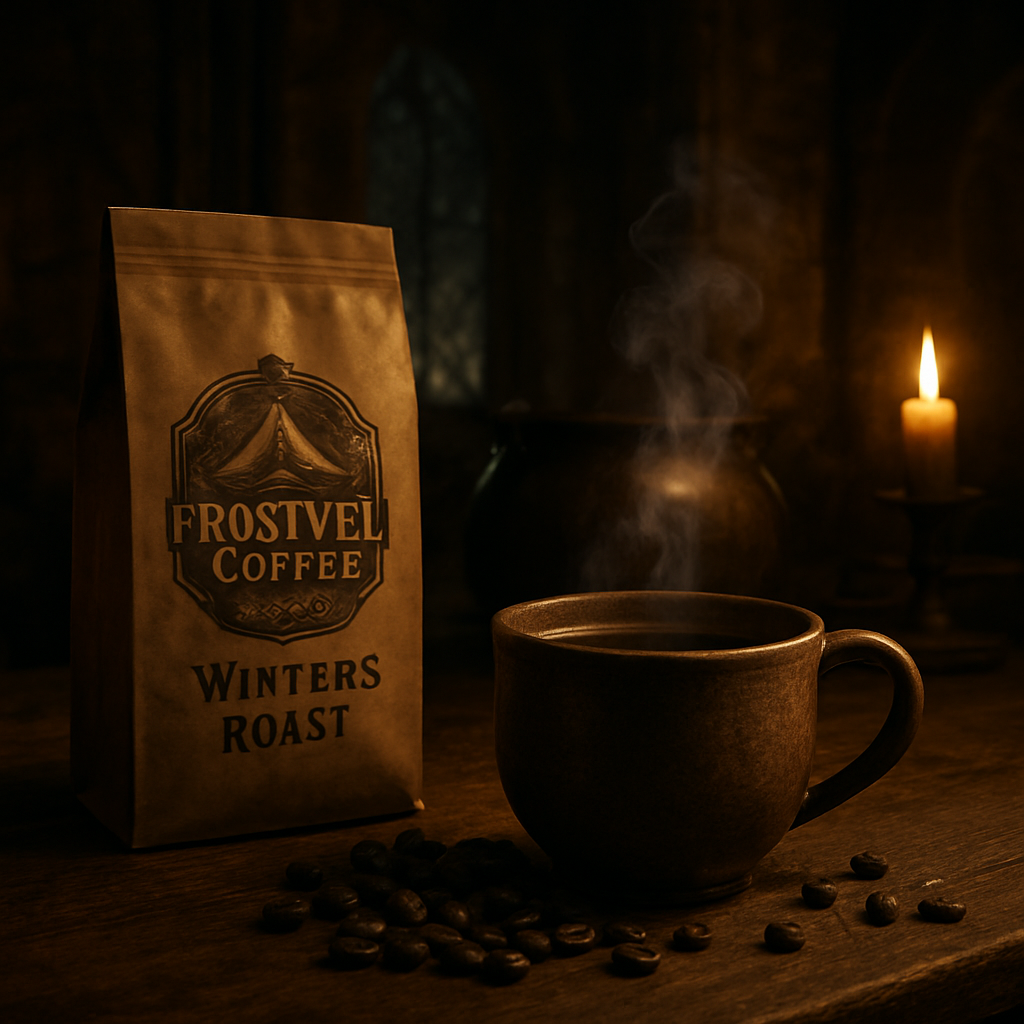
When you finish your brew, the medieval coffee mug remains in the room like a relic of old quests. Let its weight remind you that every sip carries a story. Keep it near your desk or your gaming chair, and let it anchor you, whether you’re drafting a novel, raiding a dungeon, or simply enjoying a dawn in 2026 today, slowly, calm.
Remember, every cup is a chapter waiting to be written today.
2. Legendary Designs & Iconic Patterns
Picture a hand‑etched sigil curling over the rim of a mug, the faint burn marks of a kiln whispering age. That’s the pulse of a medieval coffee mug. In this chapter, we’ll dissect what makes those designs legendary and give you a step‑by‑step playbook for spotting and using them in your own ritual.
Why the Patterns Matter
It’s not just decoration; it’s a story map. Each rune, crest, or battlefield scene is a narrative cue that turns a simple sip into an immersive quest. Think of the swirling vines on a warrior mug as a call to adventure, or the gothic arches on a saint‑inspired cup as a reminder to pause and reflect.
Because the patterns anchor the mug in a specific era, they also influence texture and weight. A thick, carved outline gives a heavier feel, while fine linework keeps the glaze matte, letting light play like candle flame on a stone wall.
Step 1: Identify the Signature Motif
- Ritual sigils – Look for repeating symbols that resemble medieval heraldry. If a mug carries a lion or a cross, that’s a clue it’s rooted in the past.
- Geometric grids – Many medieval pieces use interlacing vines or knotwork. A clean, interwoven pattern suggests hand‑etching rather than machine printing.
- Battlefield scenes – A cup with a depicted siege or knight in armor usually points to a handcrafted runic design.
When you spot one of these, you’ve already won half the battle of authenticity.
Step 2: Test the Hand‑Etch Texture
Run your fingertip over the rim and the body. A true hand‑etched mug will feel uneven, with tiny ridges that catch your skin. Machine‑printed designs are typically smooth, almost glass‑like. That subtle roughness is what makes the mug feel solid, like a relic forged in a stone forge.
Step 3: Match Pattern to Your Realm
Every fantasy reader or gamer has a preferred aesthetic. Here’s how to align your mug’s pattern with your personal lore:
- Grimdark explorers – Go for jagged, almost chaotic motifs like broken swords or storm clouds. The Witchy Coffee Mug, for example, sports a rune that feels both ancient and dark.
- Epic fantasy lovers – Seek mythic emblems – dragons, runes, or medieval shields. The Frostveil Merch line often features these as subtle accents.
- Dark fantasy dwellers – Dark stone textures or charcoal‑colored glazes work best. The matte finish of our classic line feels like a tavern wall at midnight.
Choosing the right pattern can instantly elevate your daily brew to a chapter in your own saga.
Step 4: Pair the Mug with Complementary Coffee Blends
Pattern and roast should converse. For a rune‑heavy mug, a smoky, earthy roast like our "Midnight Ember" brings out the depth. For a lighter, gothic‑inspired cup, a bright, floral roast such as "Aurora Dawn" will feel like a sunrise over a castle courtyard.
Try this quick experiment: pick a mug, brew a sample of each roast, and note the flavor notes that rise. The right match will feel like the mug’s pattern and the coffee’s aroma are two sides of the same coin.
Step 5: Create Your Own Legend
You don’t have to buy a mug that feels already legendary. If you’re crafty, you can design a custom pattern. Grab a plain ceramic mug, a sharp paintbrush, and a set of fine‑tip markers. Sketch a simple emblem, maybe a shield or a dragon’s eye, and let the glaze dry.
When the mug cools, the design will sit beneath a subtle glaze, giving it that authentic, hand‑etched look. The process turns your mug into a living artifact that’s uniquely yours.
Pro Tip for Gamers & Book Readers
If you’re playing an RPG or reading a fantasy series, use your mug’s pattern as a cue for your character’s backstory. The swirling vines could hint at a lost forest, while a crossed sword might signal a war hero. Let the mug be a prompt for worldbuilding—every sip a step deeper into the plot.
By mastering these five steps, you’ll not only recognize a legendary design, but also make your morning brew a chapter of adventure. The next time you hold a medieval coffee mug, remember: you’re not just drinking coffee—you’re drinking history, mystery, and a touch of the fantastical.
3. The Brewing Ritual: How to Pair Your Mug with Frostveil Coffee
Remember the first time you held a medieval coffee mug—thick walls, a thumb‑sized handle that kept your fingers warm, and a hand‑etched pattern that felt like a secret code? That feeling can be amplified by the right roast. In this part of the guide we’ll walk through the exact ritual that turns a simple cup into a quest in a mug.
Choose Your Roast
Think of your mug as the battleground and your coffee as the army. The flavor of the roast should match the story you want to tell. If the mug has a bold, rune‑heavy design, a dark, smoky blend like our Midnight Ember will echo the depth of the carvings. A lighter, ornate cup calls for something bright and floral, such as Aurora Dawn, to keep the narrative airy and bright.
Do you want the brew to feel like a dragon’s fire or a moonlit stroll? Pick a roast that carries those notes. In our collection, we’ve already paired each mug style with a roast that speaks the same language. It’s like matching a knight’s armor with his weapon.
The Perfect Pour
Once you’ve chosen the roast, it’s time to bring the mug to life. Start with the water temperature: a steady 200°F (about 93°C) gives the coffee a clean, vibrant body without scorching the beans. Pour the water in a slow, steady arc—imagine the arc of a knight’s sword swing. The goal is to saturate the grounds evenly before allowing the coffee to drip through.
Next, pay attention to the cup’s weight. A thick, stone‑like mug can hold heat for longer, meaning you can enjoy a slow, deliberate sip. If you’re feeling adventurous, try a two‑step pour: first, a splash to awaken the flavors, then a gentle stream to settle the brew. This keeps the coffee’s acidity in check and lets the roast’s character unfold.
Tasting the Story
Now that your cup is filled, it’s time to taste like a scribe reading a scroll. Start with the aroma—does it remind you of damp stone, smoky hearths, or fresh pine? Then take a sip and let the flavors travel. A dark roast will hit with a velvety body, a hint of chocolate, and a whisper of ember. A lighter roast will dance on the palate with citrus, floral undertones, and a clean finish.
Ask yourself: does the cup feel like it belongs in your world? If the taste feels off, tweak the grind size or water temperature. A finer grind brightens a dark roast, while a coarser grind brings out the earthiness in a lighter blend.
Customizing the Experience
- Add a splash of spice.
- Experiment with beans.
- Create a ritual ritual.
Each time you brew, write a quick note in a journal—what the mug feels like, what the coffee tastes, and how it makes you feel. Over time, you’ll have a map of your personal legend.
So, are you ready to turn your daily coffee into a saga? Pick your mug, choose a roast, pour with intention, and let the flavor write its own chapter. Remember, the ritual is just as important as the cup—it’s what breathes life into the stone and turns a cup of coffee into a story worth telling.
4. The Modern Revival: Artisan Reproductions
In recent years, the quest for a truly atmospheric brew has sparked a renaissance of hand‑crafted mugs that echo the stone‑clad halls of old. These aren’t just souvenirs; they’re modern replicas that marry ancient technique with today’s comfort. If you’re a grimdark enthusiast or a book reader looking for a tactile story‑teller, the right mug can become your daily talisman.
Why Authenticity Matters
It’s easy to pick up a generic ceramic that looks a bit medieval, but the difference lies in the weight, glaze, and hand‑etched details. A proper reproduction will feel thick enough to keep heat in, and its handle will sit just right on your thumb like a forged grip. When you lift the mug, you should hear a subtle thud that signals it’s made from sturdy stoneware, not flimsy porcelain.
Do you ever wonder how a mug can feel like a relic? The answer is the same glaze chemistry used by medieval potters: a high‑body clay fired at 1200 °C, then coated in a matte glaze that preserves texture. That matte finish also blocks glare, letting the cup’s color breathe. If you’ve ever seen a mug from medieval coffee mugs on that site, you’ll notice how the glaze keeps each piece unique.
Step‑by‑Step: Spotting a True Artisan Reproduction
1. Check the wall thickness. A 12‑oz mug should weigh around 200 grams. That heft is a quick visual cue that the walls are at least 5 mm thick.
2. Feel the handle. Run your thumb across it. A genuine thumb‑sized grip will feel slightly textured, not smooth. That texture comes from hand‑throwing and not from a press‑mold.
3. Test the glaze. Gently tap the rim with a spoon. A real ceramic will give a dull thud, whereas a glazed ceramic may sound brighter.
4. Look for hand‑etch marks. Run your fingertips along the body. Small ridges and uneven lines are your best bet that the pattern was etched by a real artisan.
5. Check for maker’s mark. Most reputable potters, like the creators behind Donovan Pottery, will imprint a tiny symbol near the base.
Actionable Pairing: Mug Meets Roast
Once you’ve confirmed authenticity, it’s time to match the mug to a roast. A heavy, rune‑etched mug pairs best with a smoky, medium‑roast like our Midnight Ember. The mug’s weight slows evaporation, letting the complex notes settle. For a lighter, floral roast such as Aurora Dawn, choose a mug with softer, rounded engravings; the bright surface keeps the lightness of the brew alive.
Try this simple experiment: brew a single cup with your mug, then sip after 10 minutes. Notice how the flavor profile changes. If the mug’s glaze absorbs a bit of steam, you’ll hear a subtle shift in acidity that only a real stoneware can provide.
Adding a Personal Touch
Many of our readers love customizing their mugs. Grab a fine‑tip marker and sketch a small crest or sigil on the underside. When the glaze dries, the pigment sits just under the surface, giving you a “hidden” design that only you can see when the cup is filled. When the cup is filled, the hidden crest becomes a secret emblem of your journey.
Remember, the goal is to create a ritual that feels earned. A handcrafted mug that feels like an heirloom elevates a simple cup into a personal saga.
So, what should you do next? Head to a reputable maker, run through the checklist, and pair your find with a Frostveil roast that speaks to your mood. The result? A coffee experience that’s both authentic and epic.
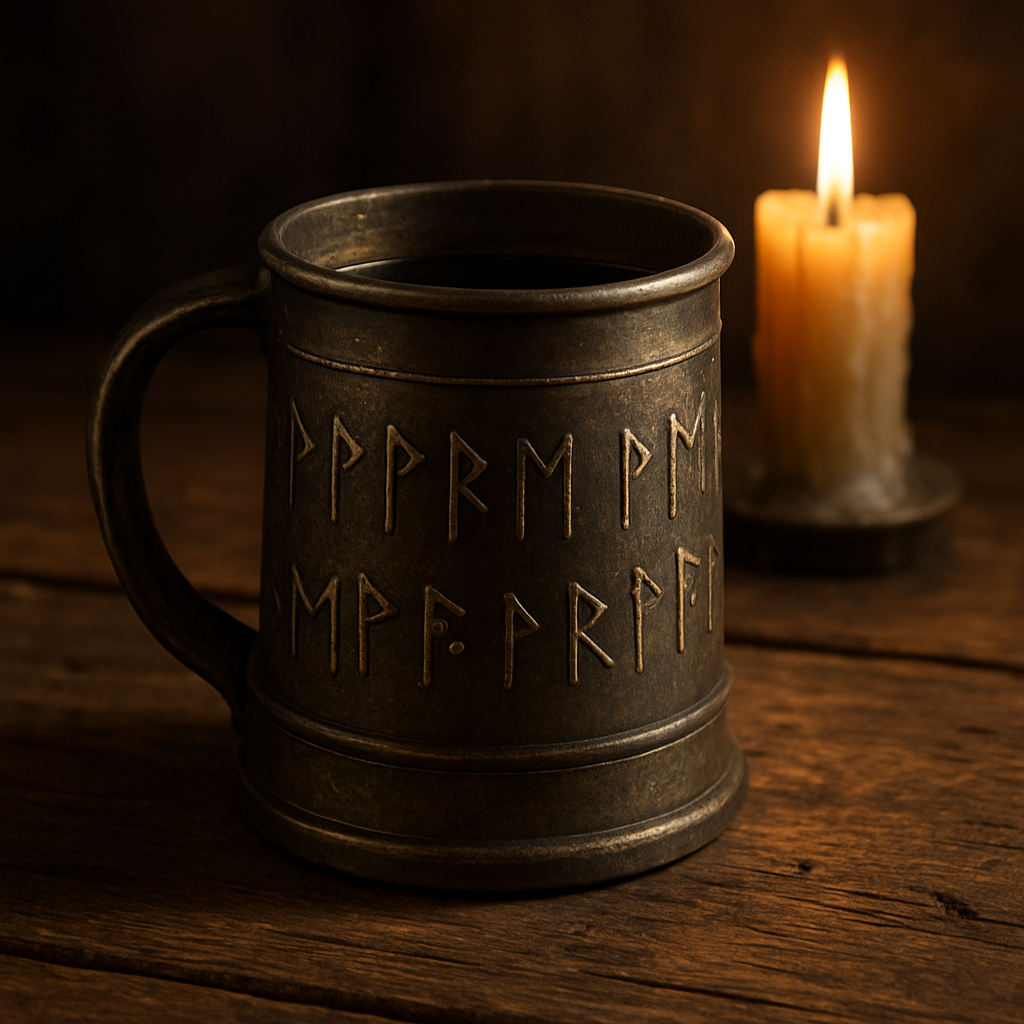
5. A Comparison of Medieval Mug Styles and Materials
When you pick up a medieval coffee mug, you’re holding more than a vessel; you’re holding a piece of a long‑running conversation between clay and fire. Let’s break the debate down into the three most common styles you’ll see on the market today, and see which one best fits the story you want to tell with each sip.
Stoneware – The Heavy‑Hit Armor
Stoneware is the workhorse of the medieval mug family. Fired to roughly 1200 °C, it creates a dense body that feels solid in your hand. The thick walls keep your brew warm for longer and give the mug a weight that feels earned. Handle‑wise, a thumb‑sized, slightly textured grip lets you cradle your mug without burning a finger, just like the carved grips of old tavern mugs.
Because the glaze sits on top of that sturdy base, it can be matte, deep‑red, or even a subtle earthy blue. The result? A mug that feels like a relic of a stone‑clad hall.
Porcelain – The Lighter, Luminous Variant
Porcelain, the product of kaolin clay fired to a higher temperature, is thinner and lighter. Think of the delicate porcelain cups that might have graced a noble’s breakfast table. The walls are only 2‑3 mm thick, so the mug heats up quickly and cools just as fast. If you love a quick, bright brew that’s almost like a burst of morning light, porcelain is your go‑to.
Its glaze is often glossy, reflecting light like a polished sword. The handle is usually smoother and slimmer, giving a more refined feel – perfect for those who want their medieval vibe to lean toward elegance rather than brute strength.
Terracotta – The Rustic, Earthen Charm
Terracotta keeps the ancient feel alive by using untreated, natural clay. The walls are thicker than porcelain but thinner than stoneware, giving it a middle‑ground feel. The glaze, if present, is usually a warm, earthy tone that can even develop a subtle patina over time.
Handles are typically simple, almost hand‑stitched in appearance, and the weight is moderate. Terracotta mugs are great when you want a mug that feels like it could have been used in a humble village tavern.
Quick Decision Guide
- Need long‑lasting heat? Choose stoneware.
- Want a light, airy cup that shows off a bright roast? Pick porcelain.
- Craving that rugged, rustic vibe? Terracotta is your match.
Remember, the material is the first chapter of your mug’s story; the glaze and handle finish set the tone of the rest.
Table: Material Showdown
| Style | Material | Wall Thickness | Handle Design | Glaze Finish | Typical Use |
|---|---|---|---|---|---|
| Stoneware | High‑body ceramic | 5–6 mm | Thumb‑sized, textured | Matte, earthy | Long‑simmering brews |
| Porcelain | Kaolin‑based ceramic | 2–3 mm | Sleek, smooth | Glossy, light‑reflecting | Quick, bright roasts |
| Terracotta | Unfinished natural clay | 3–4 mm | Simple, rustic | Earthy, sometimes unglazed | Rustic, village‑style sipping |
Want to see how the kiln shapes these materials? The video shows the process behind firing stoneware and porcelain, and gives you a feel for the heat that turns clay into a vessel capable of holding stories.
Another perspective on how mugs evolved over time comes from an in‑depth look at the progression from ancient earthenware to modern ceramics. The blog post traces those shifts, helping you appreciate why each style feels the way it does.
So, what’s the verdict for your brewing ritual? If you’re after a mug that feels like a relic from a stone‑clad hall, stoneware wins. If you want something that glints like a polished sword, go porcelain. And if your quest leans toward a humble village tavern, terracotta will carry you there. Pick the material that speaks to your favorite fantasy trope, then let the weight, handle, and glaze finish complete the story.
6. How to Care for Your Medieval Coffee Mug
So you’ve invested in a medieval coffee mug that feels like a relic, and you’re ready to keep it looking like it just stepped out of a dragon‑fire forge. The good news? Caring for it isn’t a spell, just a few simple habits.
First off, remember that the walls of your mug are thicker than most kitchenware. That’s why it holds heat so well, but it also means it’s a bit heavier to wash.
Step one: give it a gentle hand wash. Use a soft sponge or a microfiber cloth, and mild dish soap. Skip the scouring pads that can nick the glaze. If you’re in a rush, a quick rinse in a dishwasher on the delicate cycle works fine, but skip the heavy‑use setting that might chip the surface.
Step two: dry it with a soft towel, then let it air dry on its own. The extra moisture trapped in the thick walls can slowly leach minerals if you leave it in a damp drawer. If you’re in a rush, a quick rinse in a dishwasher on the delicate cycle works fine, but skip the heavy‑use setting that might chip the surface.
Step three: check for cracks or chips. If you see a tiny fissure, it’s probably just a harmless scar from the kiln. But a deep crack can harbor bacteria. If it’s deeper than a fingertip, replace the mug—better to be safe than sorry.
Step four: store it properly. Keep it upright in a drawer that’s not too tight. A stack of mugs can create pressure that warps the handle or cracks the rim. If you’re a book‑lover, slide a small cloth between each mug so they don’t rub against one another.
Step five: give it a yearly “refresh.” Lightly scrub the glaze with baking soda and water. This removes stubborn stains from coffee oils and keeps the matte finish looking like fresh stone.
Now, let’s talk about the glaze—your mug’s protective shield. The matte glaze on most medieval mugs is designed to absorb heat and resist fingerprints. If you notice a shiny spot, that’s a sign of glaze wear. Don’t try to “polish” it; just let the rest of the mug do its job.
Do you ever wonder why the handle feels so cool? That’s a deliberate design. The thumb‑sized grip is thicker and often textured, giving you a steady hold and keeping your fingers from getting scorched. Keep the handle clean, especially if you use hot water frequently. A quick wipe with a damp cloth is enough to keep the texture intact.
And here’s a pro tip for the avid reader: after a long session, give your mug a quick rinse with cool water to lock in the glaze’s matte shine. The sudden temperature change helps the glaze set tighter, reducing the chance of water spots.
What if you’re traveling? Pack your mug in a padded bag. The thick walls are sturdy, but the rim can be fragile if bumped against a hard surface. A soft pouch or a folded towel can shield it from knocks.
Finally, embrace the ritual of caring for your mug. Each wash feels like a cleansing of the old, and every dry moment is a quiet reminder of the stone‑clad halls you’re channeling. Treat it with the same respect you’d give to an ancient scroll, and it will serve you for years—no spell required.
Conclusion
Let’s wrap up the quest with a quick recap.
You’ve learned that a medieval coffee mug isn’t just a vessel; it’s a portal to a realm where steam meets stone.
Every glaze swirl, every hand‑etched rune, every sturdy handle feels like a relic you can hold.
So, what should you do next? Let’s make the ritual your own.
Grab a mug from our collection, pair it with a roast that speaks your mood, and let the weight anchor your day.
If you’re a book lover, a gamer, or simply a dreamer, the mug’s texture reminds you of ancient taverns, secret libraries, or forgotten quests.
Remember, care is simple: hand wash, dry gently, and store upright. A little ritual keeps it pristine.
Finally, share the experience—post a photo of your mug on BookTok or CoffeeTok, and let others see how the story unfolds.
Your daily brew can feel epic, but it’s the consistency that turns each sip into a chapter.
Keep the mug alive, keep the story alive, and enjoy the legend that lives in every cup.
Next time you stir, imagine the clink of a medieval goblet echoing through a castle corridor—your senses are the true hero.
Enjoy the brew, and let your imagination rise with every sip.
FAQ
What makes a medieval coffee mug unique compared to modern cups?
A medieval coffee mug feels like a relic—its thick stoneware walls keep heat, the thumb‑sized handle stays cool, and the hand‑etched runes give texture you can trace. Unlike sleek glass cups, it invites touch, reminding you of a tavern’s clink. The weight anchors your ritual, making each sip a moment of pause in a busy day. That tactile, historic feel is why it stands out.
Can I use a medieval coffee mug for cold beverages?
Cold drinks are a quick way to refresh, but the heavy walls of a medieval mug can keep them cool for hours. The matte glaze traps air pockets, adding a layer of insulation, so a chilled latte or iced tea stays at the right temperature longer than a thin ceramic cup. Plus, the robust handle handles the weight of a big glass, so you can sip without worrying about a wobbling cup.
How do I care for the glaze on my medieval coffee mug?
First, wash the mug by hand with gentle soap; the thick walls hold a lot of water, so a microfiber cloth works best. Avoid scouring pads that could scratch the glaze. After rinsing, dry with a soft towel and let it air‑dry to keep the matte finish intact. If you notice a stubborn stain, a light scrub with baking soda and water will lift it without damaging the ceramic. Store upright to keep the handle from cracking.
Will a medieval coffee mug keep my coffee warmer longer?
Yes—stoneware’s density is a natural heat‑retainer. The thick walls trap steam, keeping your espresso warm longer than a thin ceramic cup. The handle’s design prevents heat transfer to your fingers, so you can hold the mug without a towel. For an extra layer of warmth, place a small heat‑proof coaster underneath or pour a hot shot first, then fill the rest. The result? Your coffee stays at the ideal temperature for that extra few minutes.
What should I look for when buying a medieval coffee mug online?
Start with the material—look for high‑body stoneware or thick‑wall porcelain. Feel the handle; it should feel textured and cool to the touch, not slick. Inspect the glaze for a matte finish—shiny gloss usually means a modern press‑mold piece. Check the weight; a 12‑oz mug should tip the scales at about 200 g. Finally, feel for hand‑etched lines; uneven ridges are a sign that a real artisan worked the surface.
Can I customize my medieval coffee mug?
Absolutely—customizing a medieval mug is like adding your own sigil to a tavern flag. Start with a plain stoneware cup, then use a fine‑tip ceramic marker or enamel paint to sketch a simple rune or crest. Let the glaze cure; the pigment will settle beneath the surface, giving a subtle “hidden” detail that only reveals itself when you fill the mug. Just remember to test the paint on a small area first, so it doesn’t chip when you rinse.