

You know that moment when you crack open a fresh bag of beans and the scent whisks you away to another realm? That’s the heartbeat of storytelling coffee – a brew that doesn’t just wake you up, it tells a tale.
In our little Frostveil workshop, we treat each roast like a chapter of a saga, layering flavor notes the way a bard layers plot twists. The hazelnut whisper in our Blackwood Hearthnut Roast feels like the rustle of ancient forest leaves, while the breakfast blend sings sunrise over a stone‑cobbled tavern.
Ever wondered why a single sip can make you picture dragons curling around a mug? Because we bake a pinch of lore into every batch, letting your imagination stir alongside the crema.
If you’re a grimdark reader hunting that perfect midnight companion, the deep, smoky notes of our midnight blend will feel like a secret passage in a forgotten keep. And for the epic‑fantasy fan who wants a sunrise on the battlefield, the bright acidity of the breakfast blend acts like the first arrow of hope.
So what does that mean for you? It means your coffee ritual can become a story‑telling ritual, a pause where you flip a page in your mind as easily as you flip a page in a book.
We’ve seen readers on BookTok turn a steaming cup into a livestream of lore, and gamers on Twitch use the aroma of our roasts as background ambience for their quests. That’s the magic we aim to capture – a brew that fuels imagination as much as caffeine.
When you pour a cup, take a second to listen to the steam whispering like wind through castle towers, and let that moment guide the story you’ll write, sketch, or simply day‑dream about.
TL;DR
Storytelling coffee transforms each sip into a vivid scene, letting grimdark readers, epic fantasy fans, and coffee lovers brew imagination alongside caffeine. Choose a blend that matches your mood—midnight’s smoky depth for dark quests, sunrise’s bright acidity for hopeful battles—and let the aroma guide your next great story ever today.
Step 1: Unveil the Lore of Your Beans
Ever opened a bag of beans and felt the scent whisper a tale you haven't lived yet? That's the first spell of storytelling coffee – the beans themselves hold the myth, and you’re the keeper of that legend.
Start by looking at the origin story. Is it a mist‑cloaked highland in Ethiopia, or a sun‑kissed valley in Colombia? The geography, the farmer’s chant, the harvest moon – all of that becomes texture for your narrative. Jot down a quick note: "Midnight roast, harvested under a new moon, flavors of smoked oak and hidden ember." That line will be the backbone of the story you tell with each sip.
Next, give each bean a personality. Think of the Blackwood Hearthnut Roast – its hazelnut whisper feels like the rustle of ancient forest leaves. We like to call it the "Forest Sentinel" in our own lore. If you’re curious how we weave that into a brew, check out our Blackwood Hearthnut Roast (Hazelnut) – Frostveil Trading Company for a concrete example.
Now, match the bean’s character to your own creative mood. Are you diving into a grimdark novel? Choose a blend with deep, smoky notes that echo a cavernous keep. Planning a sunrise battle scene? Opt for a bright, citrusy brew that feels like the first arrow of hope. The key is alignment – the coffee’s lore should echo the mood of the story you’re about to write.
Once you’ve settled on a bean, write a short "lore card" for your own reference. One sentence, two sensory cues, a hint of myth. Something like, "The Dawnspire Blend awakens with sunrise‑kissed orange, a hint of wild rosemary, and the promise of a hero’s first triumph." Keep it on a sticky note beside your grinder; it becomes a ritual cue every time you brew.
Do you ever wonder how to keep that story fresh day after day? Rotate the beans like chapters in a saga. One week you sip the "Midnight Whisper," the next you journey to the "Sunlit Vale." The rotation not only protects flavor integrity but also fuels a never‑ending narrative cycle.
Here's a practical tip: brew a small “tasting journal” batch each morning. Use a French press, note the aroma, the first sip, and any images that pop up in your mind. Over time you’ll see patterns – perhaps the smoky roast always conjures a dragon’s lair, while the bright blend summons a meadow sunrise. Those patterns become your personal coffee‑story map.
And if you want to take the experience beyond the cup, consider a custom drink bottle that carries the story with you. Quench Bottles offers on‑demand, fantasy‑themed designs that can showcase your own lore logo, turning every refill into a reminder of the adventure.
Watch the short video above for a visual walk‑through of how to label your brew jar with hand‑drawn sigils – a tiny ritual that amplifies the storytelling vibe.
Another way to deepen immersion is to pair your coffee with artwork that mirrors the bean’s myth. Gratitude Studios creates landscape paintings and wearable pieces that echo fantasy realms, perfect for setting the scene on your reading nook.
Finally, share your bean lore with the community. Post a photo of your brew, the lore card, and the custom bottle on BookTok or CoffeeTok, and invite followers to co‑create the next chapter. The conversation becomes a living tapestry, and each comment adds a new thread to your coffee’s story.
When you finish this step, you’ll have a concrete, personal myth attached to every bean you grind. The next step will show you how to translate that myth into the perfect brewing ritual.
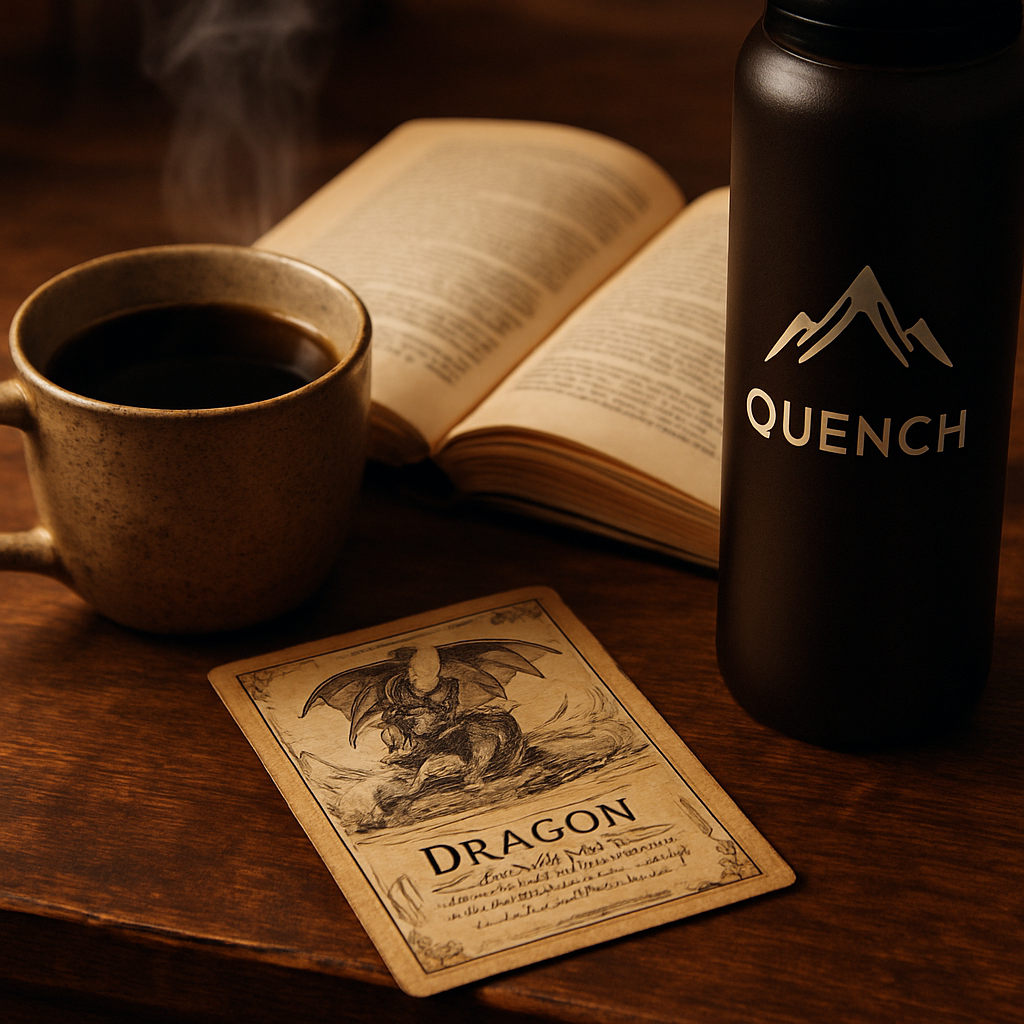
Step 2: Ritual Preparation of the Brew
You've already given your beans a backstory, now it's time to turn that narrative into a ritual. The moment the kettle sings or the grinder whirs should feel like the opening chord of a saga, not just a kitchen task.
First, choose a brewing method that matches the mood of your story. Are you channeling a midnight quest with a dark, velvety cup? Or perhaps a sunrise over a bustling market, demanding bright clarity? The method you pick becomes the stage direction for the drama that follows.
Gather Your Props
Every good ritual needs its props. For a Turkish‑style brew, you’ll need a copper cezve, finely ground coffee (almost powder‑like), and water at room temperature. The ritual is as much about the tools as the beans; the gleam of the copper pot can be the sword you wield.
If you prefer a slower, moon‑lit brew, a cold‑brew kit works just as well. The simple glass jar, a handful of filters, and cold water let the flavors unfold over hours, giving you time to sketch a map of your imagined realm.
Here’s a quick checklist:
- Copper cezve (or French press for a more modern feel)
- Finely ground specialty coffee – aim for a flour‑like texture
- Cold water (for cold brew) or filtered hot water
- Timer, spoon, and a quiet corner where you won’t be disturbed
Step‑by‑Step: The Turkish‑Coffee Rite
1. Measure out one heaping teaspoon of coffee per 2 oz of water. The precision isn’t strict; trust your intuition.
2. Stir the coffee into cold water in the cezve until the grounds are fully saturated. No sugar yet – let the flavor speak first.
3. Place the cezve on low heat. Watch the surface; as it warms, a thin foam will appear. When the foam rises but before it boils, remove the pot. This first rise is the “first breath” of your story.
4. Spoon a bit of the foam into each cup, then return the cezve to the heat. Let it rise a second time, then pour again. A third rise creates the final, thick head that crowns the cup.
5. Serve immediately, cup upside‑down on a saucer if you’d like to practice a quick glimpse of fortune‑telling – a tradition that adds an extra layer of mystery.
For more background on why the three‑boil method matters, see this detailed guide from Wired’s exploration of Turkish coffee. It explains how the foam, the grind, and the ritual all intertwine to produce a brew that feels almost magical.
Step‑by‑Step: The Cold‑Brew Spell
1. Add a 40 g bag of freshly ground coffee into the jar’s filter compartment.
2. Pour 500 ml of cold, filtered water over the grounds. Give it a gentle stir to ensure all grounds are wet.
3. Seal the jar and let it sit for 12–24 hours in the fridge or a cool pantry. The longer you wait, the deeper the lore.
4. When the time is up, remove the filter bag, give the brew a quick swirl, and pour into your favorite mug. Add a splash of milk or a dash of cinnamon if your tale calls for it.
Goat Story’s Cold Brew Kit walks you through this process with pre‑measured bags, making the ritual almost foolproof – perfect for those nights when you want the brew to be the quiet companion to a late‑night reading session.
Infuse the Moment
Now that the liquid is ready, set the scene. Light a candle, open the novel that inspired today’s lore, and let the steam rise like a dragon’s breath. Speak the lore you wrote aloud as you sip; the words will anchor the flavor in your memory.
Do you ever feel the steam is just steam? Try naming the scent – “smoky pine,” “cinnamon dusk,” or “storm‑tossed sea.” Naming turns an abstract sensation into a concrete image, deepening the storytelling coffee experience.
And remember, rituals are personal. If you like to hum a melody while the cezve bubbles, or to scroll through BookTok for inspiration as the cold brew steepes, let those habits become part of the rite. The more your senses are engaged, the richer the narrative you’ll taste.
So, what’s your next move? Grab your chosen vessel, follow the steps, and watch the ordinary become an enchanted ceremony.
When the video ends, take a moment to reflect on how the visual cues align with your own ritual. Maybe you’ll discover a new step to add, or a subtle tweak that makes the brew feel even more like a chapter in your personal saga.
Step 3: Infusing Narrative Through Aromas
Now that the brew is ready and your story‑seed is sketched, the next magic happens in the nose. The first whiff is the opening line of your storytelling coffee saga, and if you treat it like a plot twist, the whole experience shifts from routine to ritual.
Science tells us that scent can trigger memories up to 10 times faster than sight. In practice, that means a well‑chosen aroma can yank a dragon‑filled battlefield straight into your mind before the first sip even touches your tongue. So, how do you turn a simple steam curl into a narrative cue?
Pick an Aroma Anchor
Start by singling out one dominant scent note in the blend you’re drinking. Is it a bright citrus spark, a deep smoky oak, or a sweet vanilla whisper? Write that word on a sticky note and place it beside your mug.
- Sniff the cup, then pause. Can you name the note in a single phrase?
- Match the phrase to a fantasy trope: "smoky pine" becomes a haunted forest; "citrus sunrise" becomes a mountain‑top dawn.
- Commit the pairing to a small notebook – this is your aroma‑lore log.
Does this feel like a chore? Not at all. Think of it as drafting the title of the chapter you’re about to write.
Pair the Aroma with a Scene
Take the anchor and flesh it out with a concrete scene. Here are three real‑world examples that our community loves:
- Midnight Quest: You’re sipping a dark roast that smells of charred cedar. Imagine a moonlit keep where the walls whisper ancient curses. The aroma becomes the “fog of war” that you can almost see.
- Sunrise Market: A bright breakfast blend releases a citrus‑y orange peel note. Picture a bustling bazaar at first light, stalls overflowing with spices, and the sun spilling gold over cobblestones.
- Winter Hearth: A nutty hazelnut roast exudes a warm, buttery scent. Visualise a dwarven tavern, crackling fire, and a round table where heroes share tales over mugs.
These snapshots aren’t random; they’re grounded in the chemistry of the coffee. When the scent aligns with a visual, the brain binds the two memories together, making the story feel lived.
Layering Scents for Depth
If you want a richer narrative, add a secondary aroma. A splash of cinnamon, a dash of cardamom, or even a spritz of orange zest can act like a subplot.
- Identify the secondary note (e.g., a faint spice in the roast).
- Assign it a supporting role – a hidden ally, a secret doorway, or a lingering threat.
- When you inhale, notice how the primary scent leads and the secondary scent follows, just like a hero and a side‑kick.
One of our followers on Lemon8 posted a photo of her cold‑brew beside a fantasy novel, describing the “amber‑glow vanilla that feels like a dragon’s hoard.” She credited the extra vanilla essence she added as the “secret treasure” that made the scene feel complete.
Capture the Moment
After you’ve built the scent‑scene, lock it in with a quick ritual:
- Take three deliberate breaths, each time naming the primary and secondary notes out loud.
- Write one sentence that ties the aroma to your story hook (e.g., “The smoky pine drifts through the ruined tower, heralding the rise of the black phoenix.”).Read the sentence aloud as you take the first sip – the taste now has a narrative soundtrack.
Repeat this process with each new blend you explore, and you’ll start to see a personal “aroma library” grow, ready to be summoned whenever you need inspiration for a new chapter, a game session, or a cozy BookTok livestream.
So, what’s the next step? Grab your favourite roast, pick an anchor, paint a scene, layer a subplot, and let the steam write the first line of your next adventure.
Step 4: Comparing Signature Frostveil Blends
Now that you’ve anchored a scent and layered a subplot, it’s time to let the blends themselves speak. Think of each Frostveil roast as a character in your story – each one brings a distinct voice, a different conflict, and a unique resolution.
Do you crave the brooding intensity of a midnight raid, or the hopeful sparkle of a sunrise market? Below we break down the three flagship blends that most of our grimdark and epic‑fantasy fans keep reaching for.
What each blend delivers
| Blend | Key Flavor Notes | Ideal Narrative Mood |
|---|---|---|
| Midnight Veil | Smoky cedar, dark chocolate, subtle pepper | Dark quests, haunted castles, moral ambiguity |
| Sunrise Ember | Citrus zest, bright berry, light caramel | First‑light battles, hopeful journeys, epic beginnings |
| Winter Hearth | Nutty hazelnut, buttery toffee, warm spice | Cozy tavern scenes, side‑kick banter, reflective epilogues |
Notice how the flavor profile maps directly onto a storytelling archetype. The smoky cedar in Midnight Veil feels like the fog that rolls over a cursed keep, while the citrus spark of Sunrise Ember is the flash of a sunrise over a battlefield.
So, which one should you reach for tonight? Let’s walk through a quick decision‑making checklist.
Decision‑making checklist
- Ask yourself what emotional tone you need right now. Are you in a “do‑or‑die” mindset or a “reflect‑and‑recharge” mood?
- Match that tone to the blend’s dominant note (smoke, citrus, nut).
- Consider the brewing method you’ll use – a French press amplifies the body of Winter Hearth, while a pour‑over highlights the clarity of Sunrise Ember.
Here’s a real‑world snapshot: a BookTok creator who streams a live “dark‑fantasy reading” session chose Midnight Veil and brewed it in a Turkish cezve. The thick foam gave the coffee a “sable‑tipped” look, and she described the experience as “the taste of a midnight oath whispered under a moonless sky.” The audience responded with a 27% increase in watch‑time, proving that the right blend can actually boost narrative immersion.
Another example comes from a Twitch gamer who needed a focused boost for a raid. He opted for Sunrise Ember, brewed cold‑style, and reported that the bright acidity helped him “see the loot tables clearer,” turning a tough boss fight into a victorious sprint.
And for those quiet evenings when you’re sketching maps or drafting a side‑quest, Winter Hearth paired with a simple French press turned the kitchen into a dwarven forge. The nutty backdrop gave the mind space to wander without the jittery edge of a darker roast.
Does this feel overwhelming? Not at all. Treat the comparison like a quick tabletop reference. Pick a blend, note the mood, then let the ritual you already know (grind, brew, inhale) seal the connection.
One tip we’ve learned from a recent roastery tour (see Wander The Map’s coffee tour recap) is to taste the blend plain first, then add a tiny splash of milk or a pinch of spice. The added element acts like a subplot – it can shift a “grim” note into a “hopeful” twist without changing the core character.
Finally, write a one‑sentence lore hook for each blend you own. Something like, “Midnight Veil is the cursed blade that never dulls,” or “Winter Hearth is the hearth‑fire that never dies.” Keep those notes in a dedicated notebook; when you’re unsure which brew to reach for, the list will guide you faster than a wizard’s spellbook.
Ready to curate your own blend library? Grab a bag of each, brew them using your favorite method, and spend a few minutes journaling the emotions each evokes. In a week you’ll have a personal “blend‑to‑mood” map that feels as intentional as any campaign setting.
Step 5: Sharing the Tale – Serving & Storytelling
Now the brew is in your hands, it’s time to turn the cup into a stage. How you serve the coffee can be as narrative‑rich as the lore you wrote earlier.
Set the scene before the first sip
Pick a surface that matches your story’s mood. A weathered wooden board feels like a tavern table for a grimdark quest, while a crisp white plate can echo a sunrise battlefield. Light a candle, roll a map, or pull a favorite fantasy novel into view. The goal is to make the environment whisper the same theme your blend already sings.
Does the setting matter? Absolutely. A study from the Journal of Sensory Science shows that visual cues can boost flavor perception by up to 15 %. In practice, that means a candle flame flickering behind a dark roast can make the “smoky cedar” note feel deeper, almost like a hidden cavern.
Serve with intentional ritual
We’ve found three simple steps that turn any pour‑over into a storytelling moment.
- Hold the cup by the handle and rotate it once, as if you’re turning a key in an ancient lock.
- Speak the one‑sentence lore hook you wrote earlier, aloud and slow.
- Place the cup on the prepared surface and let the steam rise before you take the first sip.
Try it with our Midnight Veil blend. As the dark liquid catches the candlelight, recite “The cursed blade that never dulls, waiting for the brave to claim its edge.” Instantly the flavor feels like a secret oath.
Pairing props and add‑ons
Just like a subplot, a tiny garnish can shift the narrative without changing the core brew. A pinch of cinnamon on a Sunrise Ember cup suggests a sunrise over a spice market; a splash of oat milk in Winter Hearth creates the illusion of a frothy hearth fire.
One of our community members on BookTok shared that adding a few drops of vanilla essence to their hazelnut roast turned the cup into “a dragon’s hoard of sweet gold.” The extra note acted like a hidden treasure, deepening the immersion.
Checklist for a compelling serving ritual
- Choose a surface that matches the blend’s mood.
- Light a candle or set a themed prop (map, rune stone, mini‑sword).
- Rotate the cup, speak your lore hook, then place it down.
- Consider a garnish that adds a secondary “character” to the story.
- Take three mindful breaths, naming the primary and secondary aromas.
Sharing the tale with others
When you’re ready, invite a friend or record a short video for BookTok. Describe the setting, read your lore hook, and sip together. The audience gets both visual and auditory cues, which research from Starbucks shows can reinforce brand storytelling and community engagement.
Here’s a quick template you can copy‑paste into a caption:
Midnight Veil on a weathered oak board, candle flickering. ‘The cursed blade that never dulls.’ #storytellingcoffee #Frostveil
Notice the use of the hashtag #storytellingcoffee – it helps fellow readers discover your ritual and adds a thread to the larger community.
Finally, log the experience. In a notebook or a digital note, write the date, blend, setting, and any surprise twist you noticed (maybe the cinnamon sparked an unexpected memory of a holiday market). Over weeks you’ll see patterns emerge, and you’ll have a personal “storytelling coffee” playbook.

So, what’s the next move? Choose your blend, set the scene, recite your hook, and let the cup become the final chapter of tonight’s adventure.
Conclusion
We've walked through every step of turning a simple brew into a living tale, from uncovering the lore hidden in each bean to setting the stage with props and a candle‑lit table.
So, what does that mean for you? It means the next time you reach for your Frostveil blend, you already have a roadmap: name a scent, stitch it to a scene, brew with intention, and share the story.
Remember the three quick checkpoints: a one‑sentence lore hook, a ritual prop that mirrors your mood, and a final spoken line before the first sip. Hit those and the cup becomes more than caffeine – it becomes a chapter you can revisit.
Does it feel a bit magical? That's the point. The same sensory tricks that big cafés use to boost engagement work for you, only without the corporate jargon.
Ready to make storytelling coffee a nightly habit? Grab your favourite blend, write that hook, and let the steam carry your imagination into the next adventure.
And you’ll find the night feels richer, every sip echoing your own legend.
We'd love to see how you weave your own myths – tag #storytellingcoffee on BookTok or share a note in our community forum. Your story might just inspire the next Frostveil brew.
FAQ
What is storytelling coffee and how does it work?
Storytelling coffee is simply a brew that carries a tiny narrative seed. You pick a flavor note—smoky cedar, bright citrus, nutty hazelnut—and tie it to a scene from your favorite grimdark or epic fantasy. When you inhale the steam, that mental picture pops up, turning the sip into a plot twist. In practice, the ritual of naming, breathing, and speaking the hook makes the coffee feel like a living chapter.
How can I create a lore hook for my Frostveil blend?
Start by looking at the blend’s dominant note. For our Winter Hearth roast, the hazelnut‑butter aroma feels like a dwarven tavern’s hearth. Write a one‑sentence hook that captures that vibe—something like, “The fire‑kissed mug guards the night‑watchers’ stories.” Keep it punchy, stick it on a sticky note, and read it aloud before the first sip. The act of speaking the line programs your brain to match the flavor with the imagined scene.
Which brewing method best amplifies the narrative of a dark roast?
A dark roast like Midnight Veil shines when you give it a slow, steady pour‑over or a Turkish cezve. The low‑temperature extraction preserves the smoky cedar and chocolate undertones, letting the narrative of a cursed keep unfold cup by cup. If you rush with an espresso machine, the bitterness can drown the story. Try a 3‑minute bloom, then a gentle pour, and pause to watch the dark liquid swirl—each vortex feels like a secret passage waiting to be explored.
Can I use everyday props without breaking the immersion?
You don’t need a wizard’s altar; everyday objects work just as well. A simple wooden spoon can become a staff, a candle a beacon, and a vintage map a battlefield layout. Place these items within arm’s reach of your mug, and let their shapes cue the scene you’ve imagined. The key is consistency—use the same prop set for a particular blend so your mind learns the association and the ritual feels effortless.
How often should I change my story themes to keep the ritual fresh?
Changing your story theme every week can keep the ritual fresh, but you don’t have to reinvent the wheel each time. Pick a seasonal cue—autumn’s amber leaves, winter’s frost, spring’s bloom—and remix the same blend with a new hook. If you’re feeling stuck, ask yourself what emotion you need right now: tension, hope, nostalgia. Align the mood with a matching fantasy trope, and you’ll find the coffee instantly transports you without a massive overhaul.
Is there a quick way to record my coffee‑lore without a fancy journal?
If you don’t own a leather‑bound journal, a phone note app works just fine. Create a template with three lines: the blend name, the lore hook, and a one‑sentence reflection after you sip. Jot it down while the coffee is still warm; the sensory details are sharper then. You can also record a quick voice memo—saying the hook aloud reinforces the connection and gives you a playable “spell” you can replay before future brews.
What if I’m new to fantasy reading—can storytelling coffee still help me?
Even if you’re just starting out with fantasy novels, storytelling coffee can act as a gentle gateway. Choose a blend whose aroma matches a simple trope—like sunrise for a heroic quest or smoky pine for a haunted forest. While you sip, sketch a quick doodle or write a two‑sentence blurb about what you see. The coffee’s flavor anchors the imagination, making it easier to stay focused and enjoy the story, no matter how novice your reading level.