

Picture this: the morning light spills over a steaming mug, and the aroma of freshly roasted beans wraps your senses like a cloak of midnight mist.
You’re not just drinking coffee—you’re entering a ritual that keeps the old hearths of fantasy alive, one cup at a time.
But what makes a cup truly special? It’s the hand‑tended grind, the careful roasting, and the tiny, intimate batch that carries stories instead of mass production.
In small batch coffee, every bean is a character—an adventurer in its own right, waiting to be unleashed in your mug.
That’s why we’ve built our roasts around the idea of a quest: find the flavor, conquer the bitterness, and claim the reward of a perfectly balanced sip.
Think about the Blackwood Hearthnut Roast—a hazelnut‑infused brew that feels like a warm hearth crackling beside a dragon’s den.
Or the Campfire Sentinel, a s’mores‑flavored adventure that brings the taste of campfires to a winter‑dark tavern.
Every batch is limited, so the aroma lingers longer—just like a spell that never fades.
When you sip, you’re not just tasting coffee—you’re tasting the lore that has been brewed into the beans by artisans who value craftsmanship over convenience.
So, next time you open a bag, ask yourself: does this cup carry the whisper of a midnight quest? If the answer is yes, you’ve found your new favorite brew.
Small batch coffee also means you get to taste the subtle shift in flavor profile that a single harvest can offer—a nuance that mass‑roasted coffee simply can’t match.
Because each roasting run is a story, the beans evolve, developing hints of berry, spice, or smoky undertones that you might never discover in a standard cup.
It’s like having a secret tavern that opens only for those who appreciate the finer details of flavor—a hidden gem for the discerning adventurer.
If you’re a booktok creator, imagine pairing a page‑turner with a cup of our Campfire Sentinel, letting the story and brew weave into one narrative.
The next time you brew, think of the beans as characters in a quest: grind them like you’d sharpen a sword, roast them like you’d kindle a dragon’s fire, and taste them like you’d uncover a hidden treasure.
TL;DR
Small batch coffee isn't just a trend—it's a ritual that turns each brew into a chapter of flavor. Every limited run captures a single harvest’s nuance, from subtle berry notes to smoky undertones. For fantasy readers, that taste sparks adventure, making each sip feel like a spell in a tavern.
The Quest Begins: Selecting the Perfect Small Batch Coffee
It starts with the first clue: the story behind the beans. In a world where every cup is a spell, the origin is the incantation that shapes the brew. Ask yourself, “Which land does this bean hail from?” A single farm in Ethiopia might whisper a bright citrus note, while a Colombian plot could promise a buttery cocoa undertone. The terroir is the character we’re inviting into our mug.
Next, size matters. Small batch coffee means the roaster handled each kilogram with the same care you’d give a dragon‑scale. The fewer the beans, the tighter the roast curve. That translates to a fresher aroma and a flavor that won’t fade like a forgotten scroll. If you’re hunting a run that feels alive, look for a roaster who releases the batch in batches of 200-300 pounds, not bulk shipments.
Roast level is your compass. Light roasts are like a moonlit night—bright, floral, and full of lift. Medium roasts walk the line between adventure and comfort, offering body without drowning the subtle notes. Dark roasts are the hearth of the tavern, bold and smoky, best for those who love a comforting hug in a cup. Try a tasting menu: sip the light, the medium, the dark, and map the journey in your mind.
Flavor notes are the riddles you solve. Is the coffee peppery, nutty, or smoky? Ask the roaster or the bag’s label for “profile descriptors.” Pair the notes with the story you’re craving. For example, a hazelnut‑infused roast like Blackwood Hearthnut will feel like a hearth crackling beside a dragon’s den, while a s’mores‑flavored Campfire Sentinel will remind you of campfires under starlit skies.
Seasonality gives a breath of life. Harvests change each year; beans from a single season carry a unique signature. A coffee from the 2023 harvest might taste brighter than one from 2022. Keep an eye on the roaster’s release calendar, and if you’re adventurous, sign up for a subscription so you never miss a run.
Finally, trust your senses. Light a candle, close your eyes, and listen. The aroma should sing, the taste should echo, and the aftertaste should linger like a whispered promise. If you’re still unsure, ask the shopkeeper or roaster for a sample cup—many artisan roasters offer tasting sessions.
So, ready to embark on a quest that starts at the farm and ends in your mug? Grab your favorite brew, keep the story close, and let each cup be a chapter in your own legend.
Before you head back to the market, consider how audio can guide you through the brewing ritual. An audio guide can turn a simple cup into a ceremony—think about the rhythm of a drumbeat as you ground, the hush of a windchime as you brew, and the final clink of a mug. Listen to an audio guide that walks you step‑by‑step.
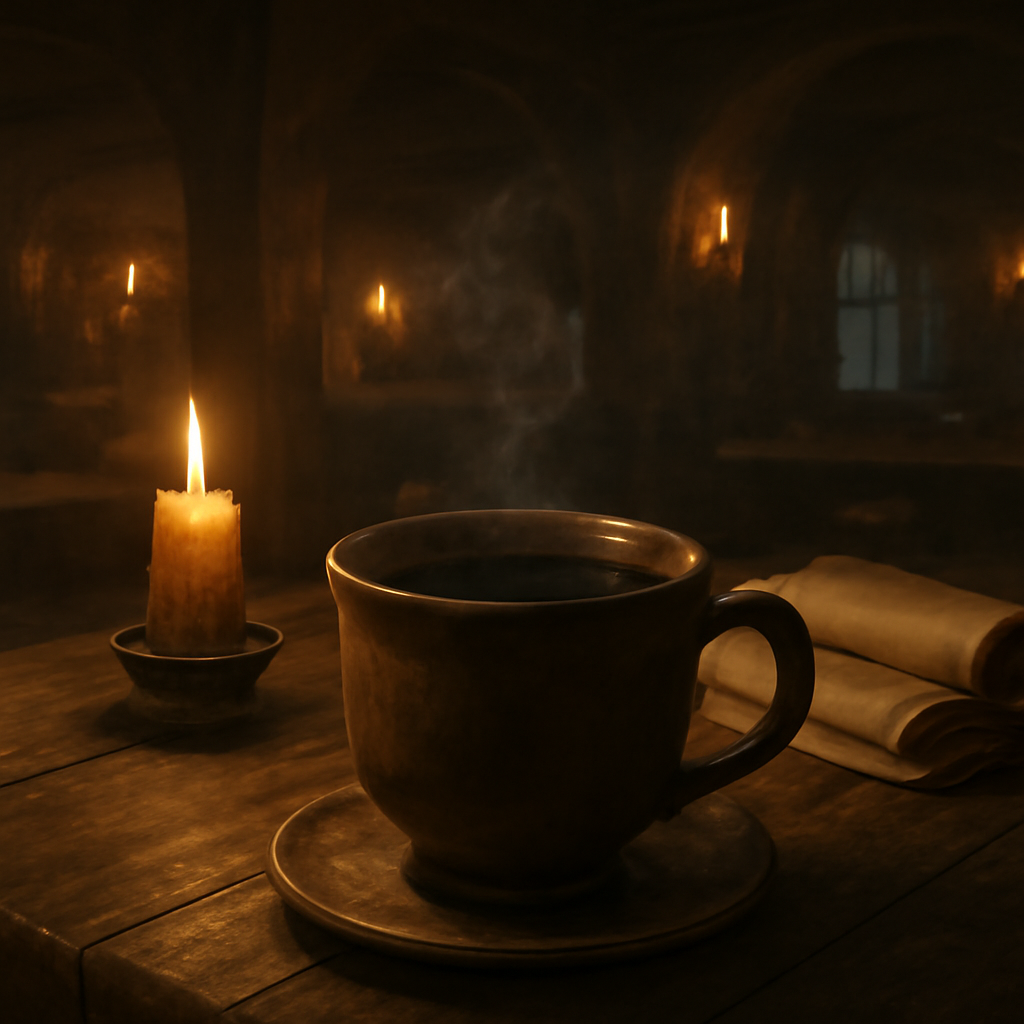
Brewing Alchemy: Mastering the Art of Small Batch Coffee at Home
We’ve already mapped the flavor map of your book world, but now it’s time to pull the spell‑binding brew out of the cauldron. Small batch coffee isn’t just a label – it’s a ritual that turns every cup into a chapter of its own.
First, let’s talk gear. You don’t need a $1,000 espresso machine. A simple hand burr grinder, a kitchen scale, and a pour‑over dripper will do the trick. A grinder like the Hario or Timemore models costs under $60 and keeps grounds uniformly sized, which is the single biggest upgrade you can make to taste. Pair that with a 1:16 coffee‑to‑water ratio (15 g of beans to 240 g of water) and you’re already on the right path. The ratio keeps bitterness at bay and lets the bean’s story shine.
Now, water. It’s the unsung hero – more than 90 % of your cup. Tap water with chlorine or high mineral content can mute bright notes. If you’re serious, invest in a small pitcher filter or a bottle of spring water. Even a cheap paper filter will cut out impurities and let the flavor breathe.
Temperature matters too. The ideal brew range is 195–205°F. Too hot, and you’ll scorch the surface; too cool, and the acids stay raw. A thermometer is cheap, but the payoff is measurable. In our experience, a consistent 200°F extraction gives a balanced cup that lets the hazelnut undertones of the Blackwood Hearthnut Roast pop without overwhelming the palate.
Do you know how long it takes to brew? With a pour‑over, aim for a 3‑minute pour. Start with a bloom: pour just enough water to saturate the grounds, wait 30 seconds, then continue pouring in a steady spiral. The rhythm is almost meditative, and the resulting clarity of the cup can rival a well‑written dialogue.
When you’re ready to taste, keep a small notebook. Note the first sip: is it bright, smoky, nutty? Compare it to the flavor descriptors in the book’s synopsis. This practice turns coffee tasting into a quest log, a tangible way to remember which brew pairs best with which plot twist.
If you’re craving a twist, try a cold brew method. Use the same 1:16 ratio, but steep for 12–18 hours in the fridge. The result is a smooth, almost sweet cup that’s perfect for late‑night reading sessions. For an extra touch of myth, infuse the cold brew with a splash of vanilla or a sprinkle of cacao nibs before serving.
Remember that small batch means you’ll often finish a bag in a week. Store beans in a one‑way valve bag and keep the bag sealed after each use. This keeps oxygen out and preserves aroma. And because you’re using a hand grinder, you’ll grind fresh for each brew, maximizing flavor.
So, what should you do next? Pick a batch, set up your station, and let the ritual begin. As you brew, imagine the beans as little adventurers, the water as a spell that awakens them. Each cup is a spell cast in your kitchen, a potion to keep you reading longer and dreaming deeper.
And if you’re looking for a companion piece to your reading ritual, why not pair your Blackwood Hearthnut Roast with a piece of fantasy art? Visit Gratitude Studios for landscape paintings that echo the mood of your brew.
Need to keep the creative energy flowing while you sip? A good cup of coffee fuels the mind, so check out the best pencils for drawing anime guide to keep your sketches sharp while you enjoy your brew.
From Bean to Lore: The Flavor Journey of Small Batch Coffee
After mastering the pour‑over rhythm, you might wonder: what makes that first sip feel like a spell? The answer lies in the journey from green bean to brewed legend. Let’s walk through the stages together.
The Bean’s First Awakening
It all starts on a far‑away farm where a single family harvests a handful of beans. Because the crop is limited—often less than 10 pounds at a time—roasters can hand‑pick each bean for color, size, and subtle defects. That level of care means you’ll taste a distinct terroir: a whisper of citrus from Ethiopian Yirgacheffe or a nutty undertone from Colombian Supremo.
Roast Rituals
The beans arrive at the roaster’s workshop, where they’re welcomed into a drum or a dry air oven. Small batch roasters pause at each crack, listening for the first crack to signal the sweet spot. The roast level—light, medium, or dark—becomes the character arc of the coffee. A light roast preserves the bean’s origin; a medium‑dark roast adds depth, and a dark roast brings bold caramel and smoky notes.
From Roast to Cup
Once the beans cool, they’re ground fresh, and the water starts its own alchemical dance. The temperature, grind size, and brew time all influence the final flavor profile. For instance, a 200‑degree pour‑over with a medium grind extracts bright fruitiness, while a cold brew at 200 °F over 18 hours yields a smooth, chocolaty finish. Knowing how each variable shapes the cup lets you tailor the brew to your mood.
Why Small Batch Shines
Because the roast is limited, you’re always drinking something that feels brand new. The aroma is richer, the body more complex, and the story more tangible. It’s the difference between a generic mug and a potion that fuels a fantasy quest.
Want to dive deeper into the science of roasting? The fundamentals of small batch coffee break down each stage in plain terms. If you’re curious about how roast profiles translate to taste, check out the roast profile insights.
| Stage | Key Action | Resulting Flavor | Best Brewing Method |
|---|---|---|---|
| Harvest & Selection | Hand‑pick for color, size, and defect | Distinct terroir notes (citrus, nut, berry) | N/A |
| Roasting | Pause at first crack, control temperature | Light—bright; Medium—balanced; Dark—rich, smoky | Pour‑over for light, French press for dark |
| Grinding & Brewing | Fresh grind, precise temperature | Clean cup, nuanced flavor profile | Cold brew for smoothness; espresso for intensity |
So, what’s the next step? Pick a batch that speaks to your taste, grind fresh, and let the brew tell its own tale. The flavor journey isn’t just a process—it’s a living legend waiting to be sipped.
Gathering the Fellowship: Pairing Small Batch Coffee with Seasonal Spells
Ready to turn your brew into a spell‑binding sidekick for the season? Let’s roll up our sleeves and conjure a pairing guide that feels like a quest, not a manual.
1. Pick a mood that matches the season
First thing’s first: think of the season’s vibe. Is it the crisp chill of early fall or the cozy warmth of a winter hearth? Match that mood to a roast level—light for a bright, spring‑like feel, or dark for a smoky, hearth‑fire atmosphere. When you choose a roast, think of the light you want to capture—bright, airy, or velvety.
2. Layer in a seasonal spice
Spices are the wizards behind the curtain. Sprinkle ground cinnamon into a medium‑roast pour‑over, or toss allspice into a French press for a winter spell. The spice breathes life into the brew, turning ordinary into extraordinary. The spice you add should feel like an echo of the season, not just a flavor.
According to a guide on festive coffee pairings, sprinkling cinnamon over a latte or adding a hint of ginger to an Americano can amplify the holiday spirit this list of festive coffee pairings. These combos turn the kitchen into a workshop.
3. Pair with a dessert that echoes the flavor
Think of a treat that sings the same notes. A dark roast with a chocolate‑brownie sidekick, or a light roast next to a citrus‑topped tart. The goal: harmony, not clashing. If you’re brewing a latte, a pinch of nutmeg can lift the chocolate undertones.
4. Use the right brewing method to highlight the spell
Want a bold, smoky bite? A French press will amplify that depth. Prefer a clean, bright cup? A pour‑over keeps the subtle seasonal nuances front and center. Temperature control matters; a slightly cooler pour-over preserves bright notes.
5. Experiment with “brew‑in‑a‑jar” for a longer spell
For those who like a slow‑burning potion, steep beans and spices in a jar of cold water overnight. The result is a smooth, lingering cup that’s perfect for late‑night reading sessions. Store the jar in a cool place and stir before serving.
In winter, adding a touch of cardamom or ginger to the cold brew can give it a mystical edge, just like the spices described in a seasonal coffee guide this Tasting Table article. Documenting results helps refine your spellbook over time.
6. Keep a potion log
After each brew, jot down the roast, spice, and dessert combo you used. Over time, you’ll build a playbook of which spells work best for which moods. It’s like a spellbook for coffee lovers.
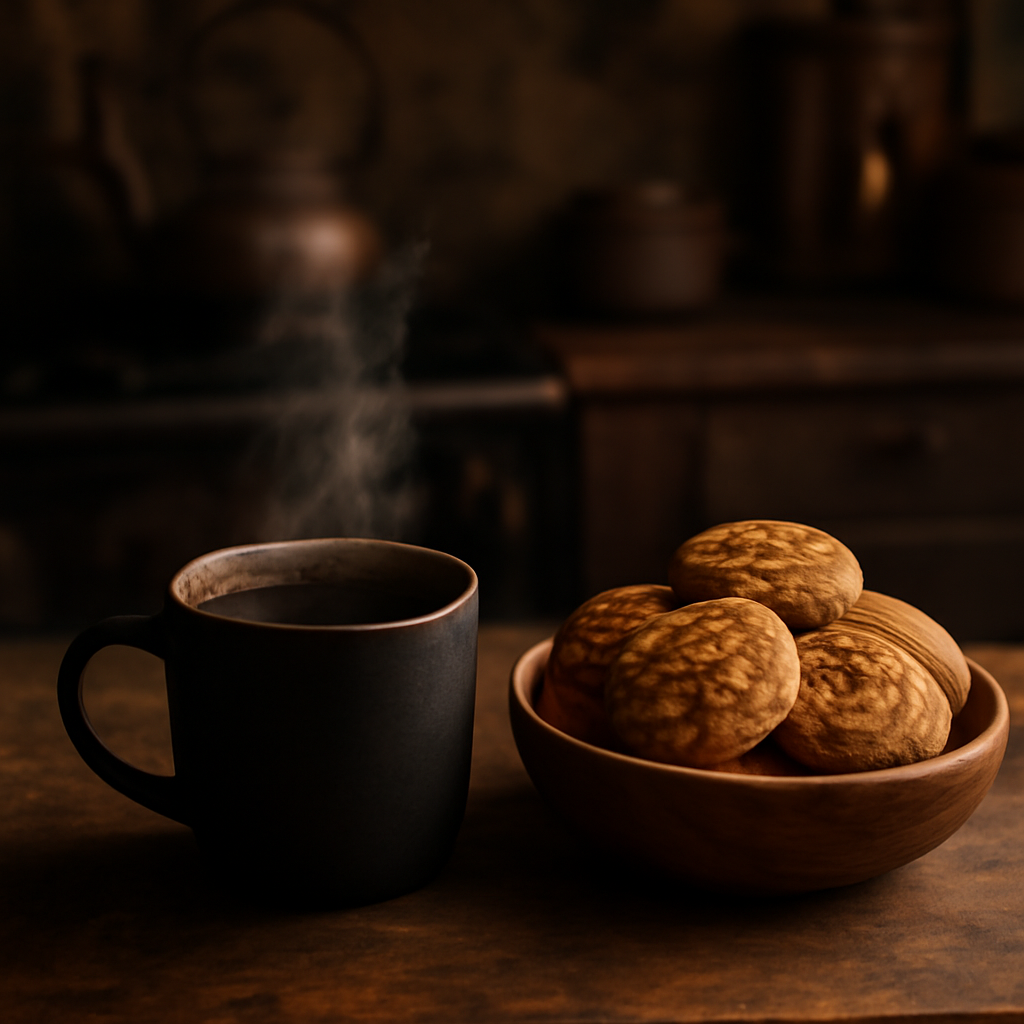
So, what’s the next move? Pick a roast that speaks to your season, add a spice that feels like a whisper of magic, and let the brew transform your reading nook into a hearth‑filled tavern. The perfect pairing isn’t just about flavor—it’s a ritual that invites adventure into every sip. Remember, the ritual is as important as the flavor; add a dash of cinnamon for extra warmth.
Conclusion
When the last sip cools, you’re left with more than a taste—it's a story you’ve carried through pages and potions. Small batch coffee gives you that narrative spark: each bean is a chapter, each roast a quest, and every ritual a spell you can rehearse whenever you want to escape.
Remember that the secret isn’t in the grinder or the bag, but in how you pair flavor with mood. Light roasts keep the daylight of a spring quest alive, while a dark, smoky brew feels like a midnight council in a grimdark tavern. And when you add a touch of cinnamon, cardamom, or a hint of vanilla, you’re not just seasoning—you’re casting a new incantation.
So next time you open a bag, ask yourself: what world should this cup transport me to? Grab a small batch, brew it with intention, and let the aroma write its own chapter in your reading nook. The ritual itself, not just the flavor, is the magic you’ll keep coming back for.
If you’re craving a ritual that feels like a spell, try pairing a medium‑roast with a splash of cardamom for that winter chill, or a bright roast with a drizzle of lemon zest for spring mornings. Each brew becomes a small adventure you can share in your book‑tube community, turning a simple cup into a shared lore. Remember, the magic lives in the routine—every grind, pour, and pause is a chapter you write.