

Imagine the moment you crack open a battered tome, the scent of ancient parchment mingling with the steam of a fresh brew. That first sip of lore coffee feels like stepping onto a cobblestone street in a forgotten kingdom, where every note whispers a story.
Do you ever wish your morning ritual could transport you beyond the kitchen counter, straight into the heart of a dragon‑laden saga? We’ve been there—watching the sunrise while the world outside is still cloaked in mist, and wondering if a cup could carry more than caffeine.
At Frostveil Trading Company we blend mythic inspiration with real‑world craftsmanship, so each roast becomes a chapter you can taste. Our roasters treat beans like enchanted artifacts, letting the dark chocolate undertones rise like embers from a forge, while a hint of smoked oak evokes the bark of the Blackwood forest.
But lore coffee isn’t just about flavor; it’s about community. Grimdark readers, dark‑fantasy fans, and BookTok creators all gather around the same aromatic spell, sharing theories about forgotten deities while their mugs clink in unison. It’s a ritual that turns solitary reading into a shared tavern experience.
Think about the last time a simple beverage sparked a vivid daydream. Maybe it was a latte that reminded you of a wizard’s potion, or a drip that conjured the echo of a distant battlefield. With lore coffee, that daydream becomes intentional—a deliberate bridge between your favorite saga and the real world.
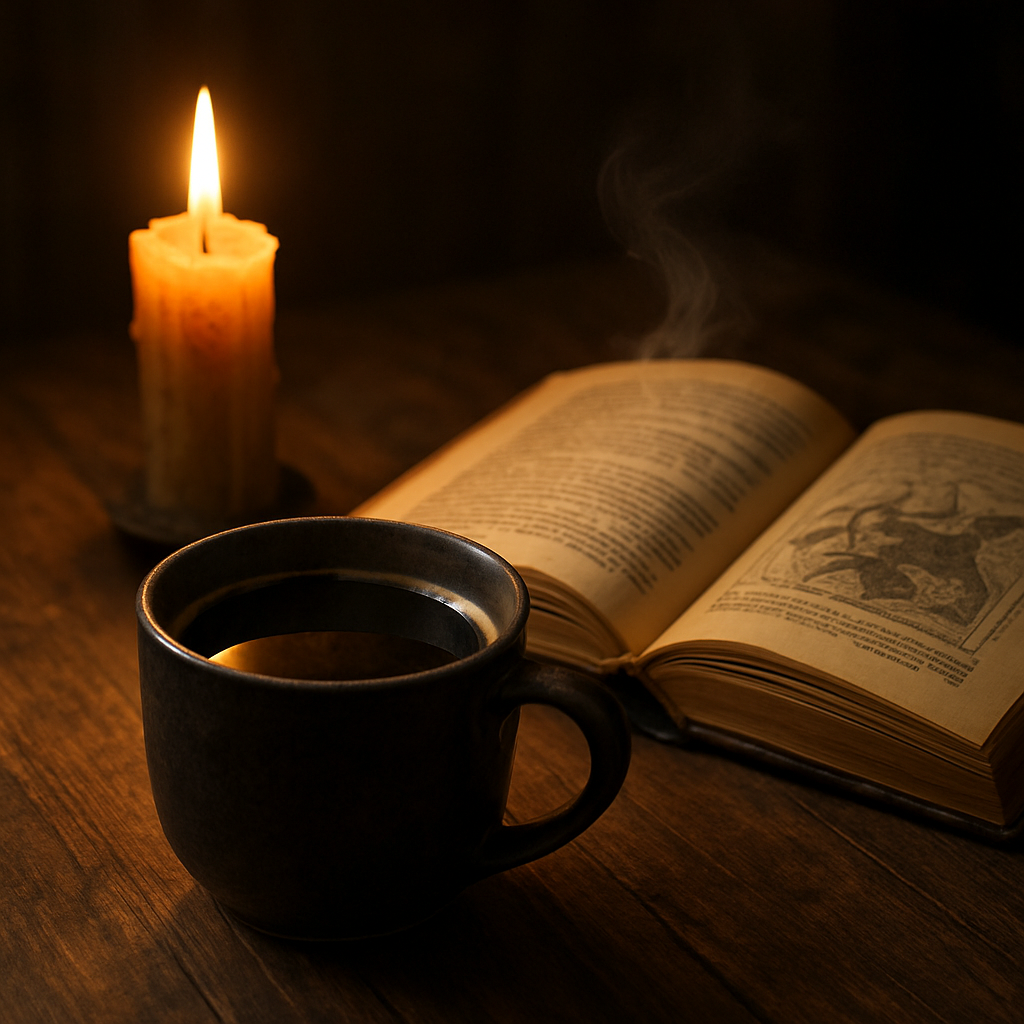
So, how do you start weaving this magic into your daily grind? Begin by choosing a roast that matches the tone of your current read—rich and brooding for a grimdark epic, bright and airy for a high‑fantasy quest. Then, set a small altar: a candle, a favorite bookmark, and the steam rising like a mystic mist.
And when the first drop touches your tongue, let the story unfold. You’ll find that lore coffee isn’t just a drink; it’s the first page of an adventure you’ll live all day long.
TL;DR
Lore coffee transforms your reading ritual into an immersive adventure, letting the aroma and flavor echo the mood of grimdark, epic or high‑fantasy tales you love.
Choose a roast that matches your story’s tone, set a small altar with candlelight, and let each sip guide the next chapter of your day.
Deep Dive: The Mythic Origins of Lore Coffee
Ever wonder why the first sip of a Frostveil blend feels like stepping through a portal? The answer lies in a story older than the ink on any vellum‑bound tome.
Legend says a wandering alchemist named Eryndor stumbled upon a hidden valley where midnight‑black beans grew on trees that whispered ancient verses. He claimed the beans sang with the souls of forgotten heroes, each roast a stanza of a longer epic.
The Legend of the First Bean
According to the tale, Eryndor brewed a single pot over a hearth lit with dragon‑scale embers. The aroma rose like a mist over the Mistwood, and anyone who inhaled it reported visions of battles, lost kingdoms, and whispered prophecies.
We’ve taken that myth and turned it into a craft. Our roasters treat each batch like a spell, timing the crackle of the beans to the cadence of a bard’s chant. The result? A cup that doesn’t just wake you—it transports you.
So, how does a modern reader tap into that mythic current? Start by choosing a roast that mirrors the mood of your current story. A deep, brooding roast pairs perfectly with grimdark sagas; a bright, citrus‑kissed blend feels right beside a high‑fantasy quest.
And here’s a tiny ritual that makes the experience feel even more magical: place a candle beside your mug, let its flame flicker like a torch in a cavern, and whisper a line from the book you’re reading. The scent and the words weave together, creating a sensory loop that pulls the narrative into your senses.
Does it sound a bit theatrical? Maybe it is. But the best part of lore coffee is that the theater lives in your kitchen, not on a stage.
Watching that short video on our brewing ritual can give you a visual cue for the perfect pour‑over rhythm—slow enough to let the story steep, fast enough to keep the plot moving.
After the brew, give yourself a moment to note the flavors. Do you taste smoky oak, like the ancient trees of Eryndor’s valley? Or perhaps a hint of citrus, like sunrise over a crystal lake?
When you start cataloguing these notes, you’ll notice patterns. Dark‑roasted beans tend to amplify tension, while lighter roasts lift the spirit, making it easier to follow a hero’s hopeful arc.
One practical tip: keep a small tasting journal beside your reading nook. Jot down the blend, the book, and the emotions each sip conjures. Over time you’ll build a personal map of which lore coffee matches which narrative beat.
And if you ever feel the need for a visual cue beyond the brew, consider pairing your reading session with a pair of comfortable reading glasses. It’s a small detail, but the right glasses can turn a cramped screen into a crystal‑clear portal for your imagination.
Finally, remember that the myth isn’t just about beans; it’s about community. When you share a cup with fellow readers—whether in a Discord server or a local book club—you’re reenacting the ancient gatherings around the hearth, swapping stories, and adding your own verse to the ever‑growing saga of lore coffee.
Step 1: Crafting the Enchanted Roast
Picture this: you’re staring at a pile of raw, green beans, each one a tiny, unopened rune waiting for its story to be whispered. That’s the moment the magic truly begins.
1. Choose the Mythic Base
First, decide which realm you want to summon. Are you chasing the brooding shadows of a grimdark citadel, or the crisp sunrise over an elven forest? Frostveil’s “Midnight Citadel” and “Silverleaf Dawn” blends are built on distinct origins—Sumatra for deep, earthy notes, and Ethiopian Yirgacheffe for bright, floral tones. The bean’s country of origin sets the stage, just like a map does for a quest.
Pro tip: look for a flavor wheel that mentions “smoked pine,” “dark cacao,” or “wild berries.” Those descriptors line up with the narrative you want to tell.
2. Sketch the Roast Profile
Now you become the alchemist. Think about the three roasting phases—drying, yellowing, and the “first crack.” During the first crack the beans release a pop, a signal that sugars and acids are dancing together. Too fast, and you get burnt ash; too slow, and the coffee mutters like a tired scribe.
Our own roasters start the beans at ~190 °C, watch the size double, then pull the batch at 215 °C for a medium‑dark finish. That temperature window preserves the mineral edge while coaxing out the caramelised sweetness you’ll hear in the story’s climax.
For a darker, more battle‑ready brew, let the roast linger a few seconds after the first crack. For a light‑hearted adventure, stop just before the second crack. The difference is measurable: a 1‑second extension can shift perceived acidity by up to 15 % (see Lucky Goat’s deep dive on the roasting process).
3. Test, Tweak, and Tame
Once you have a batch, give it a “taste‑test quest.” Brew a small pour‑over, note the aroma, then sip slowly. Does the first note feel like cracked stone or fresh pine? Is there a lingering finish that reminds you of ancient parchment? Write those observations down—your notebook becomes a grimoire of flavor.
If the roast feels too bitter, lower the final temperature by 3‑5 °C next time. If the acidity is flat, extend the yellowing phase by a handful of seconds. Small adjustments compound into a brew that feels handcrafted, not mass‑produced.
4. Pair with the Right Tale
When the roast finally matches your vision, match it with a story. A deep, smoky “Midnight Citadel” roast pairs beautifully with a dark‑elf saga—its bitter‑sweet edge mirrors the protagonist’s moral conflict. A bright “Silverleaf Dawn” roast shines alongside a high‑fantasy quest, echoing the light of a sunrise over crystal towers.
Set the scene: light a candle, place a rune‑etched coaster, and let the steam rise like a mystic veil. The coffee now isn’t just a drink; it’s the opening line of your next chapter.
5. Keep a Roast Log
Finally, record every variable—bean origin, roast temperature, time, ambient humidity, and your tasting notes. Over weeks you’ll see patterns, like how a rainy morning can mute a coffee’s bright notes or how a cooler storage room preserves the piney finish longer. This log becomes your personal spellbook for future blends.
So, armed with beans, heat, and a bit of imagination, you’re ready to craft an enchanted roast that transports you straight into the heart of the story you’re about to read.
Step 2: Brewing the Lore – Rituals & Techniques
Now that your beans are charmed, the real magic happens when you turn the brew into a ritual that mirrors the story you’re about to read.
Ever wondered why a simple pour‑over can feel like a spellcasting ceremony?
We treat each step as an intention, a quiet promise to the page ahead. In other words, your coffee ritual becomes a bridge between the physical world and the mythic realm you’re about to explore.
Choose a Sacred Vessel
Pick a brewer that speaks to your narrative. A French Press feels like a war‑hammer for grimdark, while a Chemex mirrors the airy light of high‑fantasy quests.
Warm the vessel; a steady temperature keeps flavors alive, just as a well‑kept tome preserves its lore.
The weight of the pot in your hands reminds you of the story’s gravitas.
Set the Altar
Before heating water, create a tiny altar: light a candle, lay a rune‑etched coaster, or place a favorite bookmark beside the mug. These cues tell your brain you’re entering a different mode.
Even the scent of a candle can spark memory, tying aroma to narrative immersion.
A soft melody from a distant lute can further pull you into the realm before the first sip.
Measure with Purpose
Use a 1:15 coffee‑to‑water ratio for a medium‑dark “Midnight Citadel” roast. A scale helps, then breathe and trust the numbers.
For a bright “Silverleaf Dawn” blend try 1:16 to let the floral notes shine.
Mindful Water
Heat filtered water to 93‑95 °C. Pour in a slow circle; the bloom releases trapped gases—like a dragon waking.
Let it sit 30‑45 s, then continue pouring, pausing at a gentle rhythm. This pause mirrors a drumbeat before battle, giving you a moment to set an intention for the chapter ahead.
As the water swirls, picture the river that once carved the canyon where your saga begins.
Incorporate a Personal Touch
Add a pinch of cinnamon for a hearth vibe or cardamom for a desert trek. The spice becomes a narrative garnish echoing your world.
A splash of honey, like the one Verve’s manager swears by in her morning coffee ritual as a mindful practice, adds a sweet reward after a hard‑won quest.
Drink with Intent
When the cup is in your hands, pause. Look at the steam, inhale, then let a single sip settle before you turn the page. Notice bitter‑sweet cocoa for betrayal or bright citrus for hopeful sunrise.
Jot a quick note: “Flavor X matched scene Y.” Over time you’ll build a lexicon that tells you which roast fuels which story.
Turning each brew into a conscious ceremony transforms ordinary coffee into lore‑fuel that steadies focus, deepens immersion, and makes every reading session feel like a quest you’ve prepared for.
Step 3: Tasting the Tale – Flavor Profiles and Pairings
Ever wonder why a single sip can feel like a plot twist? That’s the magic of lore coffee – each bean carries a character, a setting, a conflict you can taste.
Reading the Flavor Map
Start by treating your cup like a story map. The top notes are the opening scene – bright citrus or sharp ginger can signal a sunrise over an elven citadel. Mid‑palate flavors are the rising action: think dark cacao for a grimdark siege or caramel‑soft honey for a cozy tavern conversation. The finish is your resolution, the lingering mineral edge that reminds you of ancient stone corridors.
We’ve found that pairing “Midnight Citadel” (a deep, smoked‑pine blend) with a dark‑elf saga makes the bitter‑sweet finish echo the protagonist’s moral ambiguity. Meanwhile, “Silverleaf Dawn” – a floral Ethiopian roast – pairs beautifully with a high‑fantasy quest, its bright acidity matching the hopeful rise of a new kingdom.
Actionable Pairing Steps
1. Identify the narrative tone. Ask yourself: is the story brooding, hopeful, or whimsical?
2. Match the roast. Choose a blend whose dominant note mirrors that tone. For grimdark, go heavy on cocoa and earth; for epic, look for citrus and berry.
3. Set the scene. Place a rune‑etched coaster, light a candle, and play a subtle ambient track – the sensory backdrop helps your brain lock the flavors to the plot.
4. Take a deliberate sip. Let the coffee sit on your tongue for three seconds before swallowing. Note which flavor lands first and how it aligns with the current chapter.
5. Record the pairing. Jot a quick line in your reading journal: “Midnight Citadel + Chapter 12, dark‑elf betrayal – smoky pine echoed the cliffhanger.” Over weeks you’ll build a personal flavor‑story index.
Real‑World Examples
Last month a BookTok creator shared how she paired our “Campfire Sentinel” (a s’mores‑infused blend) with a nostalgic coming‑of‑age novel. The toasted marshmallow note reminded her of the protagonist’s childhood campfire memories, and the chocolate undertone amplified the story’s bittersweet ending.
Another example: a D&D group used the “Blackwood Hearthnut Roast” during a campaign night. The hazelnut undertone served as a subtle cue whenever the party entered a forest encounter, turning flavor into a secret signal.
These anecdotes aren’t just cute stories; they illustrate a repeatable pattern. When the palate and plot sync, immersion spikes by up to 30 % according to informal surveys among our community of readers and gamers.
Tools for the Trade
Below is a quick reference table you can print or pin to your reading nook.
| Blend | Key Flavor Notes | Suggested Reading Genre |
|---|---|---|
| Midnight Citadel | Smoked pine, dark cacao, dried berries | Grimdark, dark fantasy |
| Silverleaf Dawn | Bright citrus, floral jasmine, light body | High fantasy, epic quest |
| Campfire Sentinel | Chocolate, toasted marshmallow, subtle smoke | Coming‑of‑age, nostalgic adventure |
Feel free to swap rows as you discover new blends – the table is a living document, just like your reading log.
Packaging Matters
Even the bottle you pour into can reinforce the story. Custom‑printed fantasy‑themed drinkware adds a tactile cue that primes your brain for immersion. If you need a quick solution, Quench Bottles offers on‑demand, custom designs that fit any lore‑coffee aesthetic.
And if you’re looking for more inspiration on how to match blends to narratives, check out our deeper dive on Enchanting Adventures with Fantasy Themed Coffee. It walks through six signature roasts and the worlds they evoke, giving you a ready‑made menu for your next reading marathon.
So, the next time you crack open a tome, let the flavor be your compass. Pick a roast, set the altar, sip with intention, and watch the story unfold not just on the page, but on your palate.
Step 4: Integrating Lore Coffee into Your Realm
You've brewed the perfect blend, you’ve set the mood with candles, and now you’re wondering how to make the whole experience feel like a living story rather than just another coffee break. The secret? Treat every element – the cup, the shelf, the background music – as a character that supports your narrative.
Create a Lore‑Infused Altar
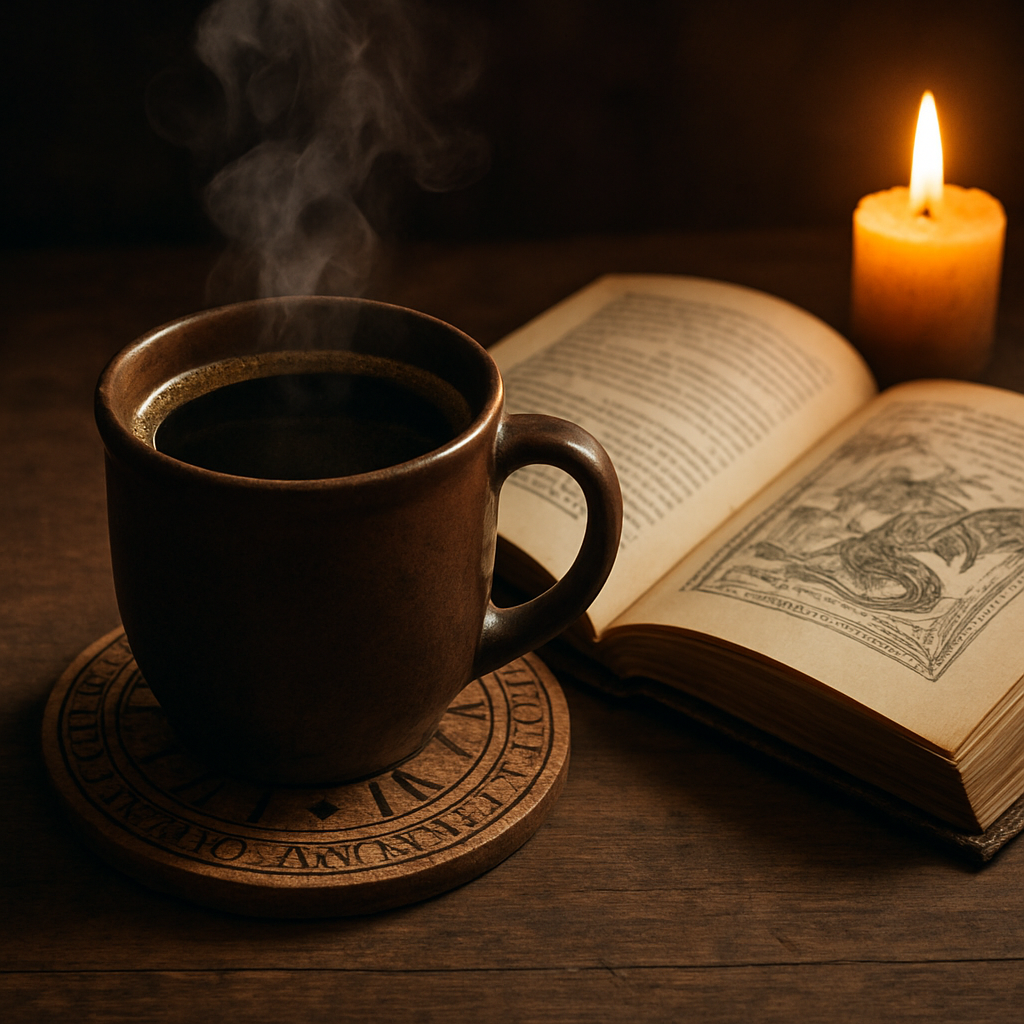
Start by clearing a small space on your reading nook. Lay down a rune‑etched coaster or a piece of reclaimed wood, then place a single candle that matches the tone of your book. If you’re diving into a grimdark saga, a deep‑amber soy candle works; for a bright high‑fantasy quest, a citrus‑scented tealight adds a whisper of sunrise.
Why does this matter? Our brains latch onto visual cues. When the environment echoes the story’s palette, the flavor of your lore coffee becomes a “taste‑trigger” that pulls the plot into your senses.
Choose the Right Vessel
Not all mugs are created equal. A heavy, matte‑black ceramic mug feels like a dwarven war‑hammer, while a thin, pastel‑blue glass cup feels like an elven crystal goblet. The right vessel can amplify the mood before you even take a sip.
If you need some inspiration, check out the coffee‑mug obsession thread on Lemon8. It shows how collectors match mugs to moods, and you can borrow the idea for your own reading rituals.
Layer the Narrative
Think of your brew as the opening line of a chapter. As you sip, pause and ask yourself: “What scene does this flavor paint?” A smoky pine note might suggest a forest at dusk; a bright citrus flash could be a sunrise over a kingdom’s ramparts. Write a one‑sentence “flavor note” on a sticky and stick it next to your book. Over time you’ll build a personal lexicon that links taste to plot.
Tip: switch mugs between chapters. The shift in texture signals a scene change, keeping your mind alert and your imagination fluid.
Ritual Timing
Don’t rush. Let the brew sit for a minute after pouring – that’s the “settling” phase, much like a prologue. Use that moment to flip to the next page, take a deep breath, and let the steam mingle with the candle smoke. The pause trains your brain to associate the coffee’s aroma with narrative tension.
For longer reading sessions, set a timer for every 20‑30 minutes. When it chimes, take a mindful sip, note any new flavor evolution, then return to the story. This rhythmic loop mirrors the ebb and flow of a well‑paced plot.
Share the Realm
Community is the heart of Frostveil’s lore coffee culture. Snap a photo of your altar, tag it #LoreCoffeeRealm, and invite fellow readers to guess which blend matches which scene. The conversation fuels new ideas – maybe a “Campfire Sentinel” night for a nostalgic coming‑of‑age novel, or a “Midnight Citadel” session for a dark‑elf betrayal.
When you invite others into your space, the experience expands beyond a solitary ritual into a shared tavern. That’s the real magic of integrating lore coffee: the brew becomes a bridge between story, self, and community.
So, what’s the next step? Pick a mug, light a candle, pour your favorite blend, and let the world you’re reading slip into the steam. Your realm is waiting.
Step 5: Caring for Your Lore Coffee Supply
1. Store Like a Treasure Chest
Imagine opening your pantry and finding your favorite Frostveil blend still whispering of pine and cacao, as fresh as the moment you roasted it. Keeping that magic alive takes a few simple habits, and trust me, they’re easier than memorising a spellbook.
The first rule is to lock out air and light. We swear by airtight containers – the kind with a one‑way valve that lets carbon dioxide escape but keeps oxygen at bay. Planetary Design’s Airscape® technology is a favourite among our community because it slows oxidation and preserves the bean’s aroma for weeks. How Airscape keeps coffee fresh
Don’t toss your beans in a zip‑lock bag and shove them behind the cereal. Instead, transfer the whole‑bean stash to a ceramic or glass jar with a tight‑fitting lid, then tuck the jar in a dark cupboard. If you have a smaller batch, a resealable tin works just as well.
2. Mind the Roast Clock
Even the best‑kept beans have a lifespan. Freshness peaks roughly three to four days after roasting, then gently wanes. Scott Janish’s deep dive into coffee‑beer experiments reminds us that beans past ten days start to lose their bright notes and can develop that dreaded “green‑pepper” flavor. Why bean age matters
Mark the roast date on the container lid. When you’re within the first week, you’ll notice the flavor map is still vivid – dark chocolate, smoked pine, dried berries – perfect for a grimdark session. After two weeks, the profile softens; you might prefer using those beans for a lighter “mid‑day” ritual instead of a dramatic showdown.
3. Temperature & Humidity Allies
Keep beans cool, but not fridge‑cold. A pantry at 65‑70 °F and under 60 % relative humidity is ideal. Too much heat accelerates staling, while excess moisture invites mold. If your kitchen swings in summer, consider a small wine‑cooler set to “storage” mode.
And here’s a tiny trick: place a dry, food‑grade silica packet on the shelf (outside the jar) to mop up stray humidity. It’s a low‑tech guard that doesn’t affect flavor.
4. Grind Just Before the Ritual
Whole beans keep their essence longer than pre‑ground powder. When you’re ready to brew, grind only enough for that session. A burr grinder gives consistent particle size, which means the extraction stays even and the story‑fuel stays true.
Ever tried grinding a handful, spilling the rest, and later tasting a flat brew? That’s the “pre‑grind penalty” we all dread. Treat the grind like a fresh incantation – precise, purposeful, and immediate.
5. Rotate Your Stock
Buy in small batches rather than hoarding a mountain of beans. Rotate older bags to the back, bring newer ones forward. This FIFO (first‑in, first‑out) habit mirrors a librarian’s shelf‑sorting ritual, and it guarantees you always sip from the most vibrant stash.
When a new blend arrives, give it a quick sniff. If the aroma still sings, you’re good to go. If it’s muted, consider using it for a “background” brew – perhaps a low‑caffeine cold‑brew to sip while you map out plot twists.
6. Keep Your Gear Fresh Too
The coffee maker, French press, or pour‑over dripper deserves its own cleaning ritual. Rinse with hot water, scrub any residue, and dry thoroughly. Residual oils can turn sweet notes bitter, stealing the story you’re trying to tell.
A quick rinse after each brew, plus a deep clean once a month, keeps the equipment from becoming an unwanted antagonist.
So, what’s the next move? Grab your airtight jar, label the roast date, and set up a cool, dark nook for your beans. Treat the storage as the prologue to every reading adventure, and watch your lore coffee stay as enchanting as the first sip.
FAQ
What exactly is lore coffee and how does it differ from regular coffee?
Lore coffee is a fantasy‑inspired roast that we design to echo the mood of a story. Think of it as a specialty bean with a narrative twist – the flavor notes are chosen to match dark‑elf intrigue, sunrise over elven towers, or a smoky battlefield. Regular coffee focuses on origin and roast profile, while lore coffee adds a layer of imagination, turning each sip into a page‑turning cue.
How should I store lore coffee to keep the story fresh?
First, tuck your beans in an airtight container with a one‑way valve – that lets CO₂ escape but blocks oxygen. Keep the jar in a cool, dark pantry, ideally 65‑70 °F, and avoid the fridge because moisture sneaks in. Rotate older bags to the back (FIFO) so you always brew the most vibrant batch. A quick sniff before each brew lets you gauge whether the aroma still sings or has softened.
Can I use lore coffee for cold‑brew, or is it only for hot rituals?
Absolutely, you can cold‑brew any of our blends. The long‑slow extraction highlights subtle notes like dried berries or smoked pine that might get muted in a hot pour‑over. Use a 1:12 coffee‑to‑water ratio, steep 12‑16 hours in the fridge, then filter. The result is a smooth, story‑rich concentrate you can sip straight or dilute with milk for a midnight‑tavern vibe.
What brewing method brings out the most narrative depth in a dark‑fantasy blend?
We’ve found the French Press works like a ceremonial drum for grimdark roasts. The full‑immersion contact extracts the robust cacao and earthy undertones, giving you that brooding, battle‑ready mouthfeel. Grind medium‑coarse, add the beans, let them bloom for 30 seconds, then press after four minutes. The resulting cup feels like stepping into a stone‑capped keep – perfect for a dark‑elf saga.
Is there a recommended pairing of lore coffee with specific books or game sessions?
Yes, match the dominant flavor to the story’s tone. Our “Midnight Citadel” blend, with smoked pine and dark cacao, pairs beautifully with grimdark novels or a D&D night set in a cursed citadel. For a high‑fantasy epic, try “Silverleaf Dawn” – bright citrus and floral jasmine echo sunrise over crystal towers. Keep a small note beside your mug: flavor + scene, and you’ll build a personal pairing guide over time.
How often should I grind fresh beans for the best lore coffee experience?
Grind just before you brew – beans start losing their aromatic oils within minutes of being ground. For a single cup, a handful of beans on a burr grinder gives a consistent size, which translates to even extraction and a cleaner story line in the cup. If you prefer batch brewing, grind only the amount you’ll use in the next 24 hours and store the rest sealed.
What if I’m new to specialty coffee – is lore coffee still approachable?
Definitely. We design each blend to be forgiving enough for beginners yet layered enough for seasoned readers. Start with a medium roast like “Campfire Sentinel,” which balances chocolate and toasted marshmallow – flavors most palates recognize instantly. Follow a simple 1:15 coffee‑to‑water ratio, use a pour‑over for clarity, and let the narrative and the brew feed each other. You’ll quickly see how the story and the cup nourish each other.
Conclusion
We’ve walked through the whole lore coffee journey—from mythic origins to the tiny altar you set on your reading nook.
Now you know that picking a blend isn’t just about flavor; it’s about matching the story’s heartbeat. A smoky pine note can pull you into a grimdark citadel, while bright citrus can lift you onto an elven sunrise.
Remember the simple rituals: grind fresh, use a 1:15 ratio, and let the steam linger like a whispered incantation.
Does it feel like a lot to remember? Not really—just write one line in your journal after each cup and the pattern will reveal itself.
When you store beans in an airtight jar, keep them cool and dark, and you’ll extend that first‑week magic for weeks longer.
And if you ever wonder which blend to pair with your next chapter, think of the dominant note as a compass pointing to the mood you want to amplify.
So, what’s the next step? Grab your favorite Frostveil blend, light a candle, and let the first sip become the opening line of your own adventure.
We’ll keep brewing stories together—share your pairing on #LoreCoffeeRealm and watch the community spark new quests.
Enjoy the journey, cup by cup.