

Picture this: a mug steaming with dark, velvety espresso, the aroma curling like mist over a forgotten castle courtyard. If you’re a lover of grimdark tales or epic quests, you’ve probably noticed that coffee can feel like a secret weapon—fuel, companion, and ritual all wrapped in one.
But here’s the twist: not every espresso is created equal. Some beans carry hints of rain-soaked moss, others whisper of ancient forests, and a few even taste like the first snowfall on a frozen throne. That’s where Frostveil’s fantasy‑inspired roasts come into play, turning each sip into a spellbinding experience.
So, what makes an espresso truly legendary? It starts with the grind: fine, consistent, and perfectly calibrated to your machine. Then the water—purity matters, and temperature should sit around 195°F to unlock the full depth of flavor. Finally, patience: allow the crema to settle before you dive in. This simple ritual mirrors the slow, deliberate pacing of a good story—build anticipation, then enjoy the payoff.
In our experience, pairing a single‑origin bean with a light, buttery note can balance the dark undertones, giving you the perfect harmony between mystery and comfort. We often see readers who find a new favorite after swapping a classic French roast for one of our "Shadowfell" blends, which carries a subtle hint of blackberry and a whisper of smoky wood.
Do you ever wonder why a particular cup feels right? It’s all about the journey of the bean—from the high‑altitude farms where the clouds kiss the earth to the meticulous roasting process that preserves the unique character of each batch. When you brew at home, you’re not just making coffee; you’re crafting a narrative that can accompany your nightly reading or gaming session.
Let’s dive deeper into how you can transform your espresso routine into a personal adventure—one that feels as epic as the worlds you love to explore.
TL;DR
From bean to cup, our espresso coffee is a spellbinding journey—grind, brew, and savor a story of dark fantasy flavor that echoes realms. Grab a cup, let the aroma transport you, and experience the epic ritual that fuels your next adventure, turning every sip into a chapter of deep myth.
The Origins of Frostveil Espresso: From Mythic Harvest to Your Cup
Picture a mist‑clad valley where clouds kiss the earth like a quiet spell. Those are the high‑altitude farms where Frostveil’s espresso beans first awaken. The thin air forces the beans to grow thicker, richer, a natural enchantment that sets the stage for every cup.
Once the beans are hand‑picked at dawn, the processing method matters as much as the terroir. We favor a semi‑washed technique that preserves the beans’ innate sweetness while trimming excess acidity—a delicate balance that mirrors the tension in a good fantasy plot.
From the farm to your grinder, every step is guided by lore. If you’re curious about the journey, Espresso Beans: A Mythic Guide dives deep into sourcing secrets and the art of roasting for maximum depth.
Roasting is where myth truly takes form. Our master roasters treat each batch like a spell, controlling temperature and timing so the beans develop that smoky, velvety finish you crave. The result? A dark brew that feels like a potion, ready to fuel epic quests or quiet study sessions alike.
Brewing itself is a ritual. We recommend a 195°F pour‑over, a 25‑minute extraction, and a pause for the crema to settle. It’s the same patience you’d reserve for opening a dragon’s hoard—anticipation makes the reward sweeter.
While you’re savoring that first sip, think about pairing your coffee with art. gratitude studio’s landscape art offers atmospheric pieces that echo the misty valleys of our harvest farms. A splash of color on your wall can turn a coffee break into a mini‑escape.
After the video, it’s a good time to plan your next brew. If you’re a reader, gamer, or small business owner, you’ll appreciate the rhythm of a 25‑minute Pomodoro. The 25‑minute timer guide explains how to sync your brewing with productivity, turning coffee breaks into focused bursts of creativity.

From seed to cup, every Frostveil espresso is a story you can taste. The mythical harvest, the careful processing, the masterful roasting, and the ritualized brewing all coalesce into a single, immersive experience. It’s more than caffeine; it’s a portal to realms you only dream of, one sip at a time.
Selecting the Right Brew: Temperature, Grind, and the Frostveil Grindstone
So, you’ve already pulled that first shot and the crema is looking like a pale mist. Now you’re wondering: what about the rest of the process? The answer is simple, yet it can be the difference between a good cup and a legendary one.
Temperature Tuning
Temperature isn’t just a number you slide on a dial; it’s the gatekeeper of flavor. If the water is too hot, you’ll pull out bitter compounds that feel like a burnt torch. If it’s too cool, you’ll miss the sweet, fruity notes that make the beans sing.
For most espresso roasts, 195°F to 205°F (90–96°C) is the sweet spot. This range gives you a balanced extraction without tipping into bitterness or sourness. Think of it like the perfect weather for a midnight hunt—just warm enough to keep you moving but not so hot that you burn your skin.
If you’re using a machine that doesn’t hold temperature steady, a digital thermometer can be a lifesaver. Check the water at the group head before each shot to make sure you’re in the zone. A quick dip with a thermometer gives you instant feedback and helps you tweak the machine’s settings over time.
Grind Size Matters
The grind is the bridge between bean and cup. Too coarse, and the water will run through like a river, leaving the cup thin and under‑developed. Too fine, and the pressure will choke the flow, making the espresso choke on bitterness.
Espresso calls for a fine grind that feels almost like table salt. You want uniform particles so that the water can extract the flavors evenly. A good rule of thumb is to keep the grind setting stable once you find your sweet spot—tiny changes can swing the flavor profile dramatically.
When experimenting, start with your machine’s default grind and adjust in small increments. If your shot runs too fast (under 25 seconds), fine the grind. If it’s sluggish, back it up. This “dial‑in” process is as much a science as it is an art, and the end result is a cup that feels tailored to your taste.
The Frostveil Grindstone
We’ve seen our readers swear by the Frostveil Grindstone when they’re looking for consistency. The grindstone’s conical burrs produce a tight, even grind that keeps the puck compact. That compactness is what lets the espresso machine push water through at the right pressure.
Using a grindstone also lets you feel the texture of the beans. As you turn the handle, you can hear the subtle click of the burrs grinding. It’s a small ritual that connects you to the beans, turning every brew into a tiny ceremony.
Want to try the Grindstone? Pick up a pair from the Frostveil shop, give it a whirl, and see how the grind changes the feel of your shots. The difference can be as clear as the light at dawn over the Frostveil peaks.
And now, a quick visual guide to help you see the grind in action.
After watching, you might feel ready to fine‑tune your own brew. Remember: temperature, grind, and grindstone are the three pillars of espresso mastery. Adjust one, and you’ll notice a ripple across the cup.
Still unsure where to start? Check out the guide from Perkatory Roasters on how temperature shapes espresso flavor. They walk you through the science behind the heat, so you can make a more informed tweak.
Need help picking the right grind size? Coffeeness’s grind‑size chart gives you a clear reference for every brewing method, including espresso. It’s a handy tool for anyone wanting to dial in a perfect shot.
So, what’s next? Grab your Frostveil Grindstone, set the water to 200°F, and grind just fine enough to feel like fine salt. Pull a shot, taste the nuance, and iterate. With practice, you’ll build a routine that feels as epic as any quest.
Crafting the Perfect Espresso Shot: A Step‑by‑Step Ritual
Ever feel like pulling an espresso shot is a bit of a spell? You’re not alone. Behind every bold, velvety cup is a ritual that marries science and imagination. Let’s walk through the steps that turn raw beans into a liquid incantation.
1. Prep Your Brew Station
Clear the battlefield first. Place a clean portafilter, a small scale, and a timer on a flat surface. A tidy station keeps your focus on the craft, not on stray grains. If you’re a fan of book‑together‑with‑coffee rituals, this is the moment to set a page aside and let the aroma begin to whisper.
2. Fine‑Tuning the Grind
The grind is the heart of extraction. Use a burr grinder for consistency—grind your Frostveil blend until the particles feel like coarse sea salt. Avoid the fine dust that can clog your puck. A quick test: press a handful of grounds between your fingers; they should hold together without crumbling.
- Start with a mid‑range setting on your grinder.
- Weigh 18–20 grams of grounds for a double shot.
- Adjust by 1–2 steps if the shot pulls too fast or too slow.
Want a deeper dive into coffee folklore and how grind size affects flavor? Read this article on coffee folklore and let the stories guide your tweaks.
3. Temperature & Extraction
Water temperature is the gatekeeper of flavor. Aim for 195–205°F (90–96°C). A thermometer on the group head gives you instant feedback. Remember, too hot and you’ll scorch the sugars; too cool and you’ll miss the bright notes that lift the cup.
Once your water hits the sweet spot, let it sit for 30 seconds to settle. This pause allows the coffee bed to hydrate before the press begins.
4. Pulling the Shot
Lock the portafilter and start your timer. A perfect espresso takes 25–30 seconds. Watch for the crema—a golden, velvety layer that signals your machine is doing its job.
Feel the pressure rise? That’s the espresso breathing. If the flow is choppy, adjust the grind or tamp pressure. A consistent, even tamp ensures the water travels through the puck at a steady rate.
5. Final Touches
Let the shot cool for a moment; the crema will settle into a silky crown. Pour into a pre‑heated cup and savor the aroma before tasting. Notice the dark chocolate undertone, the subtle citrus lift—these are the fingerprints of Frostveil’s carefully roasted beans.
Want to see the process in action? Watch this YouTube guide for a visual walkthrough of each step.
When you finish, you’ve just completed a micro‑ritual that feels as epic as any fantasy quest. The next time you pull a shot, remember this step‑by‑step spell and let the magic unfold.
Comparing Frostveil Blends: Dark Moon, Aurora, and Ember Roast
We’ve already walked through the grind, the water, and the pull. Now, let’s decide which of our three signature roasts should sit on your counter, and why.
What makes a blend stand out?
When a coffee shop curates a blend, it’s less about picking a single bean and more about coaxing a story out of a handful of notes. Think of a blend as a character in a fantasy novel: its personality shows up in the body, the aroma, and the finish. That’s the lens we’ll use to compare Dark Moon, Aurora, and Ember Roast.
Dark Moon – the night‑soul espresso
Dark Moon lives up to its name. It’s a dark‑roasted blend that leans into the classic espresso flavor: rich chocolate, a hint of smokiness, and a full body that coats the tongue. The finish carries a subtle molasses sweetness that lingers after the first sip.
Because of its deep roast, it works best straight up or in a strong lungo. The crema is thick and holds its shape, giving you that velvety crown you’re after before you dive into a game or a grimdark novel.
Aurora – the light‑kissed adventure
Aurora is the opposite of Dark Moon in a good way. It’s a medium roast that invites bright citrus and floral nuances, a subtle peppery edge, and a smooth mouthfeel. The coffee feels like a sunrise over a misty valley—bright, but still grounded.
Its lighter body makes it a perfect base for milk‑based drinks. A latte or a cappuccino feels airy, and the subtle fruit lift keeps the drink from getting too heavy when you’re scrolling through a long quest log.
Ember Roast – the ember‑spiced saga
Ember Roast sits between the other two. It’s a medium‑dark blend that introduces a gentle spice—think cinnamon or nutmeg—alongside the familiar chocolate undertone. The finish is rounded, with a hint of toasted almond that adds depth.
Because of its balanced profile, Ember Roast is versatile. It can be pulled as a shot, mixed into a macchiato, or even brewed as a pour‑over if you prefer a slower ritual.
How to choose the right blend for your mood
1. Need a bold punch before a long night of reading? Pick Dark Moon.
2. Want something lighter and more aromatic to pair with a delicate pastry or a light snack? Aurora is your go‑to.
3. Looking for a middle ground that feels like a cozy hearth? Ember Roast fits the bill.
Practical tasting checklist
- Grab a fresh shot of each blend.
- Note the crema color and thickness.
- Identify the dominant flavor notes (chocolate, citrus, spice).
- Assess the body: full, medium, or light.
- Record the finish: sweet, bitter, or balanced.
Doing this quick check will help you map each blend to a specific brewing method or mood. It’s a simple exercise that turns a coffee choice into a personal ritual.
Expert tip from the roasting world
According to Serious Eats, a darker roast pulls out more bitter and smoky compounds, while a lighter roast preserves brighter, fruity notes. That explains why Dark Moon has a chocolate‑heavy profile and why Aurora is bright and floral.
Another point from the same article: the extraction time and pressure can shift the perceived balance of flavors. If you’re pulling a shot with a machine that runs a bit faster, you might need to grind slightly finer to compensate. Experimenting with grind size and tamp pressure is a quick way to fine‑tune the final cup.
Quick decision table
| Blend | Roast Level | Flavor Profile | Best Use | Notes |
|---|---|---|---|---|
| Dark Moon | Dark | Chocolate, smokiness, molasses finish | Straight shot, strong lungo | Full body; crema thick and long‑lasting |
| Aurora | Medium | Citrus, floral, peppery edge | Milk‑based drinks, light pour‑over | Bright body; airy finish |
| Ember Roast | Medium‑dark | Chocolate, subtle spice, toasted almond | Versatile: shot, macchiato, pour‑over | Balanced body; smooth finish |
There you have it. Each blend serves a different narrative in your coffee saga. Pick the one that matches your current quest, and you’ll find that every sip feels like a page turn in your own epic.
Pairing Espresso with Frostveil Desserts: Sweet Sorcery and Savory Spells
Ever caught yourself craving that perfect bite of dessert and a shot of espresso at the same time? You’re not alone. The right pairing can turn a simple sweet into a spellbinding experience.
Why Espresso Loves Dessert
Espresso coffee is dense, aromatic, and bold—qualities that make it an ideal companion for both sweet and savory treats. The bitter‑sweet dance of espresso cuts through rich ganache, balances sugary glaze, and even highlights umami notes in a savory tart.
Sweet Sorcery: Classic Chocolate Desserts
Picture a molten chocolate lava cake. The glossy, caramelized crust melts into a gooey heart that pairs with a crema‑rich espresso shot. The bitterness of the coffee cuts the sweetness, while the chocolate’s cocoa notes echo the espresso’s dark roast.
For something lighter, try a flourless chocolate mousse. Its airy texture feels like a cloud, and when you pour a shot over it, the espresso’s espresso coffee depth grounds the mousse, creating a layered experience.
Want a real‑world twist? Coffee Vogue’s winter pairing guide recommends pairing a chocolate‑heavy espresso with mocha brownies. The coffee’s depth amplifies the brownie’s fudgy richness, making each bite feel like a mini‑celebration.
Quick Checklist for Sweet Pairings
- Choose a dessert with a bold flavor profile—think dark chocolate or caramel.
- Use an espresso with a medium‑dark roast for balanced bitterness.
- Serve espresso at 195°F‑205°F to keep the crema intact.
- Let the espresso sit for 30 seconds before sipping; the flavors will mellow.
Savory Spells: From Cheese to Charred Bread
Espresso isn’t just for sweet. A robust espresso can enhance a savory cheese plate. The coffee’s acidity brightens the fat, while the roasted notes highlight the cheese’s nutty undertones. Try a sharp blue cheese with a shot of espresso—yes, it works.
If you’re a fan of charred bread, a slice of blackened baguette with espresso on the side offers a smoky harmony. The coffee’s subtle bitterness echoes the bread’s char, and the warm espresso lifts the entire plate.
For a more daring combo, pair espresso with a caramelized onion tart. The onion’s sweetness balances espresso’s bitterness, creating a flavor profile that feels like a medieval banquet.
Savory Pairing Tips
- Opt for a lighter roast if pairing with delicate meats—lighter roasts don’t overpower subtle flavors.
- Use a pour‑over espresso for a cleaner taste that won’t compete with savory spices.
- Serve espresso at a slightly lower temperature (190°F) to keep the aroma sharp.
- Consider adding a pinch of sea salt to the espresso; it amplifies umami in the dish.
How to Build Your Own Pairing Ritual
Step 1: Pick your dessert or savory item. Think about its dominant flavors—sweetness, acidity, fat.
Step 2: Match those with an espresso profile. Dark roast for deep chocolate, medium roast for fruitier pastries, or light roast for delicate cheeses.
Step 3: Prepare the espresso with attention to grind and water temperature—aim for 195°F‑205°F.
Step 4: Let the espresso rest briefly. This allows the crema to settle, giving you that silky finish that pairs well with both sweet and savory.
Step 5: Take a bite, then a sip. Notice how the flavors shift. This is your own little spell‑casting moment.
Final Thought
Pairing espresso with desserts is less about rules and more about exploration. Treat it like a quest: test, taste, tweak. With each experiment, you’ll discover new combinations that feel like true sorcery.
Seasonal Sips: Winter Warmers and Spring Sparkles
When the air turns crisp, you need a cup that feels like a hug in a mug. And when the world blooms, you crave a brew that dances with citrus and mint. This section is your playbook for both moods, with a twist of espresso coffee magic.
Winter Warmers: The Hearth‑Lit Espresso
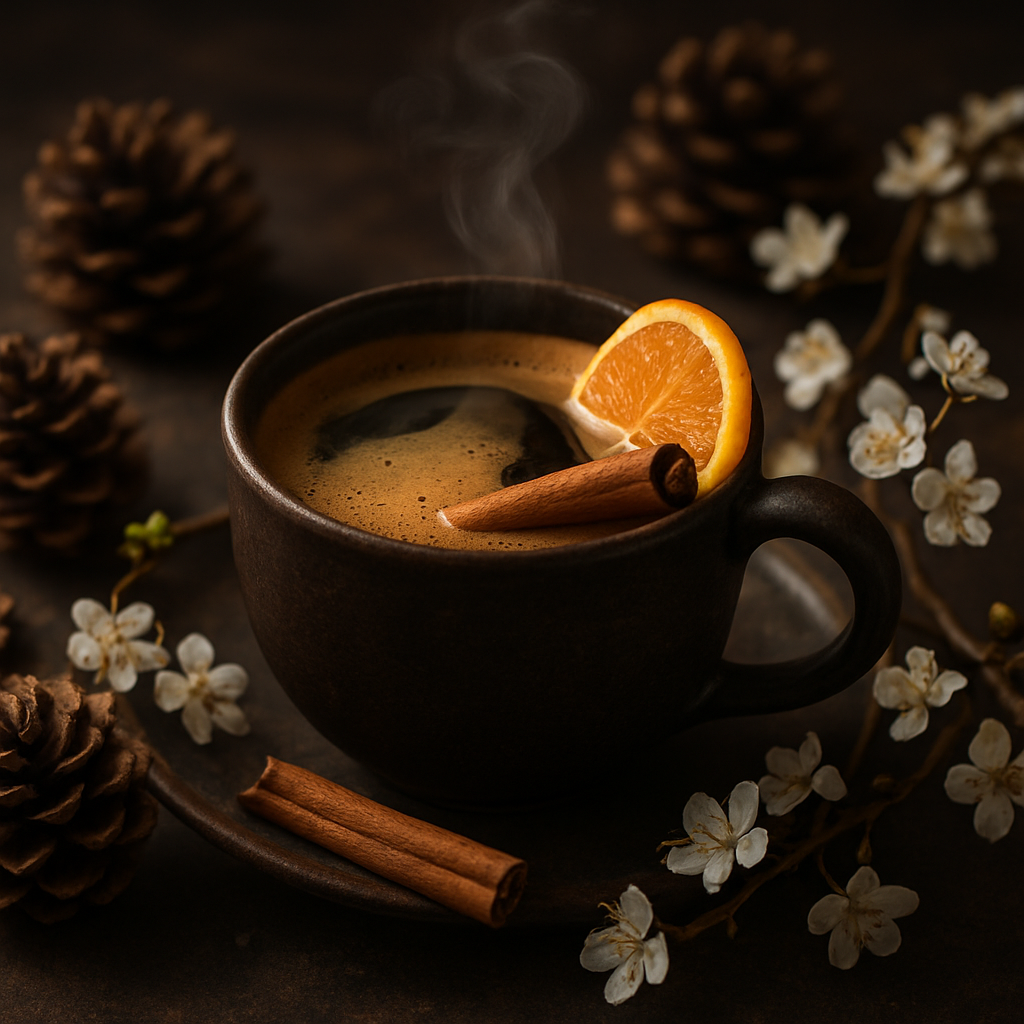
Picture a crackling fire, a wool‑knit blanket, and a steaming espresso shot. The key? Layering warmth with spice. A dark‑roasted Espresso Coffee base carries the boldness of the hearth, while a pinch of cinnamon, cardamom, or star anise turns it into a seasonal spell.
Try this simple ritual: brew a shot with your favorite dark roast, then stir in a pinch of ground cinnamon and a splash of vanilla. Let it sit for 30 seconds so the flavors mingle. The result is a cup that feels like winter’s own heart.
Need a richer texture? Fold a teaspoon of lightly whipped cream over the espresso, then dust with cocoa. The cream smooths the edge, and the cocoa adds a hint of bittersweet enchantment. This is the same concept found in the spiced winter coffee recipe at Tia Clara’s guide, which uses brewed coffee, aromatic spices, and whipped cream to create a comforting winter brew.
When you sip, notice the subtle dance: the spice rises to the surface, the espresso deepens, and the warmth spreads. It’s a comforting loop that keeps you cozy during long reading sessions or gaming marathons. So, next time you crack a book open, let this espresso warm you from the inside out.
Spring Sparkles: Light, Airy, and Bright
As the snow melts, your palate shifts from heavy to fresh. A lighter espresso—think medium roast with a bright, floral profile—pairs beautifully with citrus and mint. Add a splash of lemon or orange zest to your shot, then top with a thin layer of foam for that airy finish.
Imagine a cup that feels like a garden after rain. The espresso’s subtle body lets the citrus shine, while the foam creates a cloud that carries the scent of spring blossoms. A touch of honey or agave syrup can sweeten the mix without drowning the delicate notes.
For a fun twist, experiment with a pour‑over espresso and then drizzle a thin line of honey over the crema. The honey caramelizes slightly when it hits the hot surface, creating a sweet halo that mimics morning dew on petals. The result is a cup that feels as if you’re sipping the first dawn after winter’s chill.
Practical Tips for Seasonal Pairing
- Winter: Use a dark roast, add spices, top with cream, and finish with cocoa.
- Spring: Go light, introduce citrus or mint, sweeten gently, and keep the crema airy.
- Test each tweak with a small batch to avoid waste.
- Keep your espresso machine clean; a clean machine means a cleaner flavor profile.
These small changes turn a routine cup into an adventure. Whether you’re curled up with a grimdark novel or watching the sunrise over a new realm, the right espresso recipe can set the tone.
Here’s a visual to inspire your seasonal sips.
Conclusion
All the lore, the grind, the brew, and the moments you've just read are a map of a world you can inhabit at the edge of your kitchen.
So what does it all mean for your own ritual?
The magic isn't in the beans alone; it's the ritual you create each morning, the story you let it tell.
Imagine waking to a cup that feels like the first light after a storm—dark roast, a splash of citrus, a gentle cinnamon swirl.
If you want to keep that adventure alive, keep experimenting. Test a new blend every season, note the flavor notes, and write them down like a quest log.
When you pair that coffee with a chapter, a game, or a quiet moment, you’re not just drinking; you’re living the myth.
So grab your favorite Frostveil brew, set your timer, and let the aroma carry you to the next page—because every sip should feel like a chapter waiting to be written.
Remember, the ritual is a two‑way street—your cup shapes your mood, and your mood shapes the cup. Pay attention to the temperature, the grind size, and even the color of the crema; these subtle cues tell you if you’re on the right path.
FAQ
What makes an espresso coffee feel epic in my own kitchen?
It’s the little rituals that turn a cup into a quest. Start with a clean portafilter, measure 18‑20 grams, and keep the grind tight like table salt. Pull the shot in 25‑30 seconds, watch the crema bloom, and let it sit a few seconds before you taste. That pause lets the aroma settle—like a spell being cast before the hero steps forward.
How do I avoid the bitter‑overpowering taste that sometimes shows up?
Bitter notes usually sneak in when the water is too hot or the shot pulls too fast. Aim for 195‑205°F and tweak the grind until the extraction takes 28‑32 seconds. If it’s still harsh, back up the grind slightly or lower the temperature a touch. Small changes make a world‑of‑difference in flavor.
Can I use a manual pour‑over to get a true espresso experience?
Absolutely. A pour‑over with a fine grind, 30‑gram dose, and a 2‑minute pour can emulate the pressure of an espresso machine. Use a gooseneck kettle to control flow, and finish with a quick swirl to mimic the crema’s swirl. It’s a quieter way to get that bold depth, and it lets you taste the beans’ story at your own pace.
What’s the best way to store beans so they stay fresh for my daily ritual?
Keep beans in an airtight container at room temperature, away from light and moisture. Once opened, use them within a week for peak freshness. If you’re a night owl, store them in a cool, dark spot like a pantry shelf, not the fridge—cold can dull the bright notes that give espresso its heroic bite.
How can I pair my espresso with a reading or gaming session for maximum immersion?
Match the roast to the mood: a dark, smoky blend fuels intense night‑time quests, while a lighter, citrusy roast keeps the mind sharp during long reading marathons. Sip slowly, let the espresso linger, and let the flavor echo the narrative—dark chocolate for a grimdark chapter, bright citrus for a hopeful epic. The cup becomes a character in your story.
Is there a quick way to check if my espresso is balanced without a scale?
Yes, the “tasting wheel” test works well. Pull a shot, let it cool a minute, then sip. Notice the first bite’s body, the mid‑flavor’s brightness, and the finish’s length. If the coffee feels too dry or too syrupy, adjust grind or temperature. A balanced cup feels like a well‑told tale—neither too short nor too drawn out.
What should I do if my espresso machine isn’t delivering consistent shots?
Start by cleaning the group head, basket, and portafilter; clogs ruin consistency. Then check the water pressure—most home machines run 9‑10 bar, but if it dips, consider a pressure gauge or a different brew head. Finally, keep a simple log: grind size, dose, shot time, and taste notes. Patterns will surface, letting you tweak until every pull feels like a triumph.