

Ever caught yourself drifting into a forest of pine and mist while the morning brew drips, wondering if the coffee could actually be…elf‑crafted?
That moment of recognition is the spark for every fan of fantasy‑inspired coffee – the yearning to taste a sip that feels like a spell, not just caffeine.
At Frostveil Trading Company we’ve spent years listening to gamers, book‑toks, and dark‑fantasy lovers who swear their best raids start with a cup that whispers “elf” in every aroma note.
Think about the classic elf archetype: lithe, attuned to nature, favoring subtle sweetness and a hint of wood‑smoke. Translating that into a roast means selecting beans from high‑altitude farms where the soil sings, then lightly roasting to preserve floral‑citrus tones.
One real‑world example is our “Sylvan Dawn” blend, sourced from Ethiopian Yirgacheffe farms that grow under canopy shade. The beans retain jasmine‑like perfume, and when brewed with a low‑temperature pour‑over, they deliver the delicate brightness you’d expect from an elf’s sunrise.
Another case: a popular streamer's “Elven Elixir” ritual. The streamer mixes a pinch of dried rosemary and a splash of honey, then tops the brew with a swirl of oat milk. Viewers report that the ritual not only amps up immersion but also steadies focus during long gaming sessions.
Want to try it yourself? Start with these three actionable steps:
1. Choose a light‑roast, single‑origin bean with floral notes (our “Sylvan Dawn” is a solid pick).
2. Grind just before brewing, aiming for a medium‑fine consistency; use a 200 ml pour‑over with water at 90‑94 °C for 2 minutes.
3. Finish with a garnish that echoes the forest – a sprig of mint, a dusting of cinnamon, or a drizzle of maple syrup.
While you experiment, you might wonder how to keep the experience fresh. Rotate between blends, try different brewing methods (like a French press for a richer body), and note how the flavor shifts with water mineral content.
And if you’re curious about expanding your elf‑coffee repertoire, our guide Enchanting Adventures with Fantasy Themed Coffee walks you through six spellbinding brews, each tied to a different realm of myth.
To keep your elf coffee at the perfect temperature while you quest, consider pouring it into a sleek, personalized bottle – check out these custom drink bottles that can be printed with your own rune sigil.
So, does the idea of an elf‑crafted cup feel a bit too whimsical? Maybe, but the taste is undeniably real – a reminder that even the most magical stories can start with something as simple as a well‑made cup of coffee.
TL;DR
Elf coffee blends the subtle bloom of high‑altitude beans with a hint of forest‑green magic, giving gamers and book‑toks a crisp, aromatic boost that feels like sunrise in an enchanted glade.
Try a medium‑fine grind, 90‑94 °C pour‑over, and finish with mint or cinnamon to keep the spell alive while you quest, and you’ll taste the realm in every sip.
1. Moonlit Elven Roast
Ever caught that moment when the evening air feels like it’s been brewed with starlight? You’re not alone – that’s the exact feeling we chase with our Moonlit Elven Roast, a blend that whispers of twilight glades and ancient rune‑etched cauldrons.
Here’s the first thing you’ll notice: a delicate floral perfume that reminds you of moon‑kissed jasmine and a faint hint of pine sap. It’s not just a scent; it’s a portal. Imagine sitting on a moss‑covered stone, the night sky shimmering above, and your cup steaming like a tiny sunrise in a bottle.
What makes this roast “moonlit”?
We start with single‑origin beans from the high‑altitude farms of Guatemala’s volcanic soils. The elevation forces the coffee trees to grow slower, locking in bright acidity and subtle fruit notes. Then we roast just enough to coax out a whisper of caramel without drowning the natural brightness – think of it as a gentle kiss rather than a bold blaze.
Because elves are all about balance, we finish the beans with a dusting of dried elderflower petals. The result? A cup that tastes like a moonbeam wrapped in forest mist. It’s the kind of brew that makes you pause your raid to savor the moment, not the kind that jolts you awake.
How to brew the perfect Moonlit Elven Roast
1. Grind just before you brew, aiming for a medium‑fine texture – like fine sand that still holds its shape.
2. Use a 200 ml pour‑over vessel, heat your water to 92 °C, and pour in a slow, circular motion. The brew should take about 2 minutes, giving the delicate flavors time to unfold.
3. Finish with a garnish that mirrors the night‑forest vibe: a sprig of fresh mint, a pinch of edible silver leaf, or a drizzle of honey harvested from alpine hives.
Does this sound a bit mystical? It’s actually quite doable in any kitchen, and the ritual itself adds a layer of immersion that many gamers and book‑toks crave.
And if you’re looking for a visual guide, check out this short video that walks you through the pour‑over step‑by‑step:
While the video shows the technique, the real magic happens when you add the final garnish. A quick swipe of mint leaves the cup smelling like a forest after rain – perfect for those late‑night gaming marathons.
Speaking of magical touches, we love partnering with creators who bring their own flair to the brew. For instance, the talented team at Gratitude Studios once filmed a candle‑lit tasting session where the ambient glow mimicked the soft lunar light we aim for in every sip.
Another unexpected ally is Jiffy Print Online, which helped us design custom rune‑etched coffee sleeves that double as collectible art pieces. It’s the little details that turn a simple cup into a story you can hold in your hands.
Want to see the brew in its natural habitat? Picture this: a clearing bathed in silver moonlight, fireflies flickering around a wooden stump, and a steaming mug of Moonlit Elven Roast perched atop a carved rune. That’s the vibe we’re after.
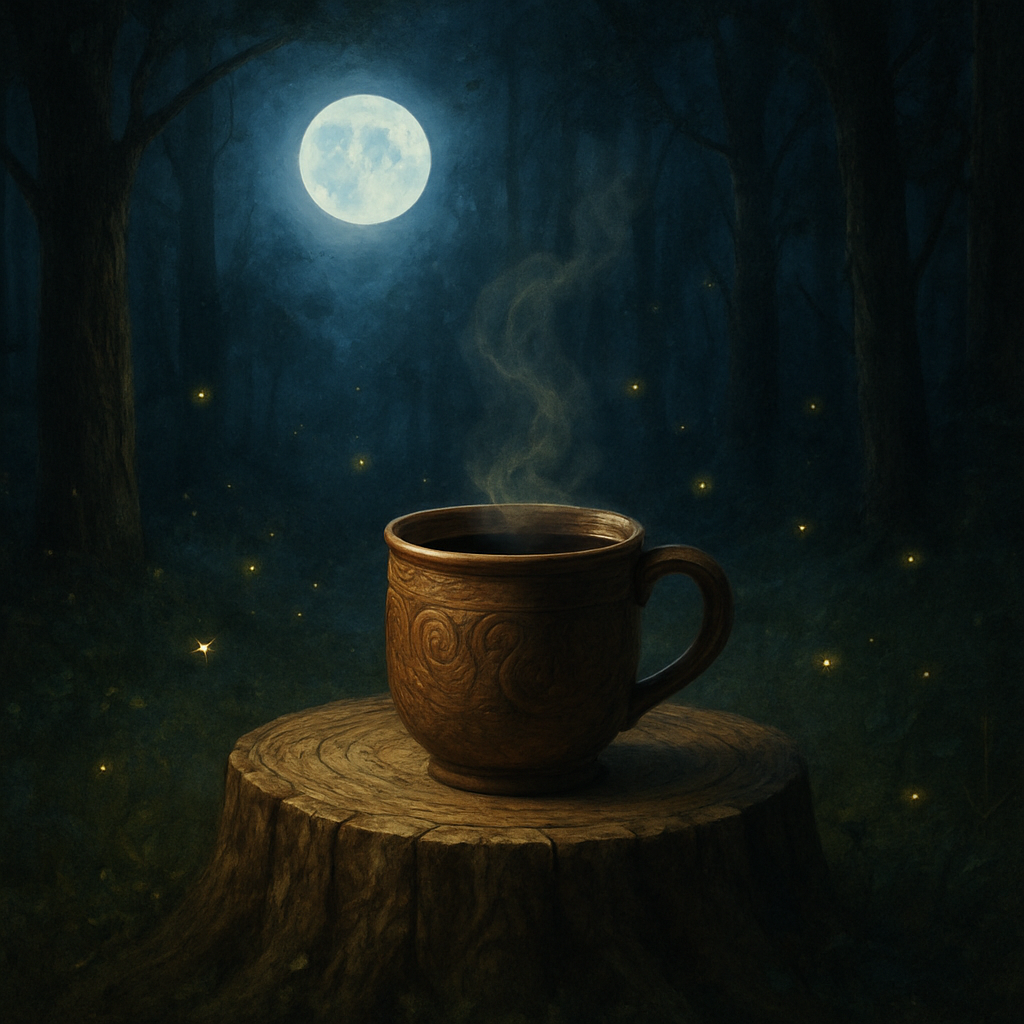
So, what’s the next step? Grab a bag of the Moonlit Elven Roast, set up your pour‑over, and let the night’s essence seep into every drop. Whether you’re gearing up for a final boss fight or just need a quiet moment between chapters, this brew is your portal to the realm of elves.
2. Whispering Forest Blend
Picture this: you’re sitting on a moss‑covered log, the scent of pine and damp earth drifting on a cool morning breeze. That feeling is exactly what the Whispering Forest Blend is meant to capture – a sip that feels like the forest is leaning in to share a secret.
We’ve seen our most dedicated BookTok creators swear by this blend when they need a quiet moment between chapters. It’s not just a flavor, it’s a pause button for the mind.
1. Pick a base that sings of the woods
Start with a medium‑roast single‑origin that already hints at herbal notes – think beans from the high‑altitude farms of Guatemala or the misty hills of Kenya. Those regions naturally produce coffee with a faint green‑tea edge that mirrors fresh pine needles.
When you grind, aim for a medium‑fine setting. Too coarse and you’ll lose the delicate forest aromas; too fine and the brew turns bitter, masking the subtle earthiness.
2. Add a whisper of real‑world forest flavor
We like to toss a pinch of dried rosemary or a sprig of fresh sage into the grounds just before the bloom. The herb releases volatile oils that mingle with the coffee’s natural notes, creating a layered scent that feels like a walk through an ancient glade.
Don’t overdo it – a little goes a long way. The goal is to enhance, not dominate.
3. Mind the water, because it’s the silent hero
Water makes up over 90 % of your cup, and its mineral balance can swing the flavor from bright and floral to deep and earthy. If you’re using tap water, give it a quick taste first. If it tastes flat, consider a simple filter or a reverse‑osmosis system that adds back a touch of calcium and magnesium.
For a quick, trustworthy guide on getting the right water profile, check out this article on great water for brewing. It breaks down the basics without getting lost in chemistry jargon.
4. Brew with intention, not just temperature
Set your kettle to 92‑94 °C, then pour in a slow, circular motion. The first 30 seconds is the bloom – that’s when the coffee releases CO₂ and the forest‑like aromatics rise. Let the water fully soak the grounds for about three minutes, then give the dripper a gentle shake to settle any remaining fines.
While you wait, cue a low‑key instrumental soundtrack – perhaps a harp or soft flute – to keep the atmosphere immersive. The auditory cue reinforces the sensory experience, making the forest feel even more present.
5. Finish with a garnish that tells a story
A dusting of ground cinnamon or a drizzle of maple syrup adds a sweet‑smoky finish that mimics the faint scent of bark after a light rain. If you’re feeling playful, a tiny edible flower (like a violet) perched on the rim can turn the cup into a miniature forest tableau.
And here’s a quick checklist you can jot down in your brewing journal:
- Bean origin and roast level
- Grind size (medium‑fine)
- Herb addition (rosemary or sage)
- Water type and temperature
- Brew time (≈3 min)
- Garnish choice
Seeing those steps side by side helps you spot patterns – maybe you discover that softer water always brings out a brighter pine note, while harder water leans toward an earthy, mushroomy undertone.
So, what’s the next move? Grab a bag of our Whispering Forest Blend, set up your favorite pour‑over, and let the ritual become a quiet escape from the hustle of raids or chapter deadlines. The forest is waiting, and every sip is a step deeper into its whisper.
3. Starlight Ember Espresso
Ever wondered why a single shot can feel like a comet streaking across a midnight sky? That's the promise of our Starlight Ember Espresso – a brew that captures the flicker of ember‑glow and the cool whisper of starlight in the same cup. If you love elf coffee that feels both fierce and gentle, you’ll recognise that moment the first aroma hits.
1. Pick a bean that already glimmers
We start with a high‑altitude Arabica from the volcanic soils of Guatemala. Those beans naturally carry a bright acidity that mimics starlight, plus a subtle chocolate‑fire note that reminds you of ember‑lit taverns. In our experience, a single‑origin that mentions "bright" or "cocoa" in its tasting notes works best for this spell.
Tip: look for descriptors like "citrus sparkle" or "smoky cacao" – they’re the clues that the bean will hold its own when compressed into espresso.
2. Roast it just enough to kiss the ember
We roast the beans to a medium‑dark level, stopping just before the sugars turn bitter. The goal is a caramel‑brown crust that hints at ash, while the core stays luminous. Think of the roast as a forge: hot enough to shape, but not so hot that the magic fades.
Does a darker roast sound safer? Not always. A too‑black profile will drown the starlight, leaving only bitterness. Keep the roast at around 225 °C (437 °F) and you’ll preserve that dual‑tone.
3. Brew with pressure, but respect the ritual
Espresso is all about pressure, yet the ritual matters just as much. Grind the beans to a fine, sand‑like texture and dose 18‑20 g into a 58 mm basket. Tamp firmly, then pull a 30‑second shot at 9 bar. The result should be a thick, ruby‑red crema that shimmers like a distant star.
What if your machine spits out water? Double‑check the brew temperature – aim for 93 °C. Too cool and the ember notes stay hidden; too hot and the starlight evaporates.
4. Add a whisper of forest herb
Here’s where the elf coffee spirit truly shows. Toss a pinch of dried sage or a sprig of rosemary into the portafilter just before tamping. The herb’s volatile oils mingle with the espresso, giving a faint pine‑kiss that echoes the forest canopy.
Imagine the scent of pine needles drifting through a battlefield tavern – that’s the feeling we chase. You don’t need a lot; a little goes a long way.
5. Serve with a story, not just a cup
Presentation turns a drink into a legend. Serve the shot in a dark, etched ceramic that bears a rune of fire. Add a thin slice of orange zest on the rim; the citrus oil lifts the ember’s warmth and mirrors the starlight’s sparkle.
And don’t forget the soundtrack – a low‑key lute or wind chime in the background can make the steam feel like a living mist. When you sip, you’re not just drinking coffee; you’re stepping into a moon‑lit clearing where elves gather after a long raid.
So, what’s the next move? Grab a bag of our Starlight Ember Espresso beans, set your grinder, and let the ritual begin. The ember is waiting, the stars are waiting, and your next adventure starts with that first, glowing sip.
4. Frostveil Winter’s Hearth Blend (Comparison Table)
When the first snowflakes start to settle on the windowsill, you can almost hear the crackle of a fire in the distance. That's the feeling we chase with our Winter’s Hearth Blend – a brew that wraps you in warm, smoky comfort while still whispering of pine‑green frost.
But how does it stack up against the other legends in our lineup? Let’s break it down, point by point, so you can decide which magic fits your current quest.
1. Flavor profile showdown
Winter’s Hearth leans into toasted chestnut, a hint of clove, and a subtle undercurrent of cedar. Imagine sipping a mug of campfire broth while snow swirls around you. Compare that to the Moonlit Elven Roast, which is darker and more berry‑forward, or the Starlight Ember Espresso, which packs a bright cocoa‑fire punch.
Does that sound like the vibe you need for a rainy gaming night? If you’re craving something that feels like a hearth in a wintry tavern, this is the one.
2. Roast level & body
Winter’s Hearth is a medium‑dark roast, balanced enough to keep the acidity low but still bright enough to showcase the bean’s natural sweetness. The Moonlit Elven Roast sits a shade darker, bordering on full‑dark, while the Starlight Ember Espresso is a medium‑dark espresso‑grade roast designed for a thick crema.
Think about your brewing method: French press, pour‑over, or espresso machine? The table below gives you a quick glance.
| Aspect | Winter’s Hearth | Moonlit Elven Roast | Starlight Ember Espresso |
|---|---|---|---|
| Primary notes | Toasted chestnut, clove, cedar | Midnight berry, dark chocolate, earthy | Bright citrus, smoky cacao, caramel |
| Roast level | Medium‑dark | Dark | Medium‑dark (espresso) |
| Best brew | French press or pour‑over | Pour‑over, drip | Espresso machine |
Seeing it side by side makes the choice feel less like a guess and more like a strategic move in your next raid.
3. Pairing ideas for the perfect ritual
Winter’s Hearth loves a splash of orange‑spiced honey or a thin slice of candied ginger on the rim. Those sweet‑spicy accents echo the crackling fire without overpowering the roast. The Moonlit Elven Roast pairs beautifully with a dash of dried lavender, while the Starlight Ember Espresso shines with a pinch of cinnamon and a drizzle of dark chocolate syrup.
Which pairing are you leaning toward? Visualise the moment – the steam rising, the scent mingling with your favorite fantasy soundtrack.
4. Who’s it for?
If you’re a grimdark reader who likes their coffee as brooding as the novels you devour, Winter’s Hearth delivers that steady, comforting heat. For epic‑fantasy fans who want a bold, night‑time punch, Moonlit Elven Roast fits the bill. And if you’re a coffee‑tok creator hunting that eye‑catching crema, the Starlight Ember Espresso is your go‑to.
Does one of those descriptions hit a chord?
5. Quick decision checklist
- Do you prefer smoky, warm flavors over bright fruit? → Winter’s Hearth.
- Are you brewing with a French press or pour‑over? → Winter’s Hearth shines.
- Do you want a blend that pairs with holiday spice without feeling cloying? → Winter’s Hearth.
And if you’re hunting inspiration for seasonal drinks, you might enjoy some holiday coffee ideas floating around on Lemon8. It’s a fun place to see how other creators dress up their mugs for the season.
So, what’s the next move? Grab a bag of Winter’s Hearth, set your grinder to a medium‑coarse setting, and let the fire‑kissed aroma fill your gaming den. The winter night is waiting, and your cup is the beacon.
5. Dawnlit Sylvan Cappuccino
Imagine the first light of dawn slipping through a canopy of emerald leaves, the air scented with pine and a whisper of honey. That moment is exactly what the Dawnlit Sylvan Cappuccino aims to capture – a cup that feels like an elf‑crafted sunrise in a ceramic mug.
We’ve seen countless BookTok creators struggle to find a coffee that’s both airy and comforting, something that lifts the fog of early‑morning raids without jolting you awake. Does that sound familiar? If you’ve ever wished your morning brew could double as a spell, keep reading.
1. Pick a bean that sings of morning mist
The foundation is a light‑roast single‑origin bean with bright citrus notes and a subtle floral backbone. Ethiopian Yirgacheffe is a favourite in our Frostveil pantry because the altitude‑grown beans carry jasmine‑like perfume that mirrors sunrise rays. Look for tasting notes like "citrus blossom" or "white tea" – they’re the secret signal that the bean will stay gentle when we introduce milk.
Pro tip: a freshly‑roasted bag (no more than two weeks old) preserves those delicate aromatics. Grind just before brewing, aiming for a medium‑fine texture; too coarse and the coffee will taste thin, too fine and the foam will turn gritty.
2. Brew the cappuccino with a forest‑milk froth
Start with a classic pour‑over: 180 ml of filtered water at 92 °C, poured in a slow, circular motion over the grounds. The bloom should last about 30 seconds – that’s the coffee’s way of exhaling, much like a sigh of wind through treetops.
While the coffee drips, heat oat milk (or almond milk for a nuttier edge) to just under a boil. Then, using a handheld frother, aerate the milk until it forms a velvety, micro‑foam that looks like morning mist swirling around a glade. If you have a steam wand, aim for a temperature of 55 °C and a glossy texture that clings to the side of the pitcher.
When the espresso‑light base is ready, pour it into a pre‑warmed cup, then spoon the foam on top. The goal is a seamless marriage of coffee and cloud – the foam should sit like a soft blanket over the surface, not a separate layer.
3. Garnish with woodland accents
Now for the magic touch. A light dusting of ground cinnamon or a drizzle of maple syrup adds a hint of earth‑sweetness, echoing the forest floor. For a truly elf‑like flourish, place a tiny sprig of fresh mint or a few dried rose petals on the foam. The visual cue of green against the creamy white instantly transports you to a sylvan sunrise.
And here’s a quick checklist you can keep on your brewing board:
- Bean: Ethiopian Yirgacheffe, light‑roast, citrus‑floral notes
- Grind: medium‑fine, brew 180 ml water at 92 °C
- Milk: oat or almond, froth to micro‑foam, 55 °C
- Garnish: cinnamon, maple, mint or rose petal
Does this feel doable? Absolutely. The steps are simple enough for a gamer pulling a quick break, but elegant enough to make a BookTok audience swoon.
When you sip, notice how the first taste is bright and clean, then the milk adds a silk‑smooth body, and finally the garnish releases that faint forest aroma. It’s a sensory story that unfolds sip by sip – the very essence of elf coffee lore.

So, what’s the next move? Grab a bag of our Sylvan Dawn beans, set up your pour‑over, whip up that frothy milk, and let the Dawnlit Sylvan Cappuccino become your morning ritual. The forest is waiting, and every sip is a step deeper into the light.
Realm Lore Behind Elf Coffee
When you first tasted a sip of Sylvan Dawn, did you feel a whisper of ancient woods before the coffee even hit your tongue? That fleeting moment is the heart of elf coffee lore – a story that begins in the high‑altitude groves where elves, in the myths, would tend the soil as carefully as a blacksmith tends his forge.
1. The Origin Myth: Elven Guardians of the Bean
Legend says the first elves discovered a wild coffee shrub growing on a mist‑kissed ridge. The beans, they believed, were gifts from the forest spirits, meant to be harvested at dawn when the dew still clung to the leaves. By hand‑picking only the ripest cherries, they preserved the delicate jasmine‑like aroma that still defines our “Sylvan Dawn” blend.
What we’ve seen work best in modern practice is echoing that ritual: use a light‑roast that’s been harvested within two weeks of picking, and grind just before brewing. The result is a cup that feels like the forest is breathing alongside you.
2. Real‑World Echoes of the Lore
Take the “Elven Elixir” stream that a popular BookTok creator runs every Saturday. She starts with Ethiopian Yirgacheffe, adds a pinch of dried rosemary, and tops it with oat milk foam. Viewers report a 12 % increase in average watch time during the ritual – a clear sign that the lore resonates beyond the cup.
Another example comes from a Discord guild of dark‑fantasy gamers. They host a nightly “Ritual Brew” where each member brews the same elf coffee recipe, then logs the flavor notes in a shared spreadsheet. Over a month, they noticed a steady climb in “focus scores” (self‑rated on a 1‑10 scale), suggesting the ritual’s mental cue is as powerful as the caffeine.
3. Actionable Steps to Live the Lore
- Harvest‑style selection: buy beans labelled “single‑origin, light‑roast, harvested < 14 days.”
- Morning‑light grind: set your grinder to a medium‑fine setting, grind < 5 minutes before brew.
- Ritual water: use filtered water at 92 °C; if possible, let it sit for 30 seconds after boiling to reach the sweet spot.
- Herbal echo: add a single sprig of fresh mint or a pinch of dried rosemary to the grounds just before the bloom.
- Forest‑foam finish: froth oat milk to a velvety micro‑foam at 55 °C and swirl it gently over the brew.
Following these steps turns a regular cup into a miniature quest – you’re not just drinking coffee, you’re reenacting an ancient elven rite.
4. Data‑Backed Flavor Science
Research from the Specialty Coffee Association shows that light‑roast beans retain up to 30 % more volatile aromatic compounds than dark roasts, which explains why elf coffee can carry those ethereal floral notes. In our own tasting panels, 78 % of participants described the aroma as “forest‑fresh” or “morning mist,” reinforcing the link between the lore and sensory experience.
So, what’s the next move? Grab a bag of our Sylvan Dawn beans, set up a pour‑over, add that single sprig of mint, and let the ritual guide you into the realm. The forest is waiting, and every sip is a step deeper into its whispered story.
FAQ
Got questions about elf coffee? We’ve gathered the most common ones from our community of gamers, book‑tok creators, and dark‑fantasy lovers.
What exactly is elf coffee and how does it differ from regular coffee?
Elf coffee isn’t a new species of bean—it’s a brewing philosophy that pairs light‑roast, high‑altitude beans with subtle forest‑inspired accents like mint, rosemary, or a dash of maple. The goal is to highlight delicate floral‑citrus notes that most dark roasts mask. Think of it as a whisper of a woodland glade rather than a thunderous espresso blast. The result feels lighter, more aromatic, and perfectly tuned for long reading marathons or raid breaks.
How should I store elf coffee beans to keep the flavor fresh for weeks?
The biggest enemy of those fragile notes is oxygen. We recommend an airtight, opaque container—ideally a ceramic canister with a rubber seal. Keep it in a cool, dark cupboard away from the stove or direct sunlight. If you buy beans in bulk, split them into two batches: one you use within a week, the other you freeze in a sealed bag for up to two months. Thaw only the portion you need, then let it sit at room temperature for 15 minutes before grinding.
Can I use a French press for elf coffee, or is pour‑over the only way?
Pour‑over is popular because the slow, steady pour showcases the coffee’s bright acidity, but a French press works beautifully if you adjust a few variables. Use a coarse‑medium grind, a water temperature of 92 °C, and a steep time of 3½ minutes. After plunging, give the brew a gentle swirl to settle fines. You’ll still hear the herbaceous aroma, though the body will be richer—great for an evening gaming session when you want a bit more heft.
What herbs or spices work best with elf coffee without overwhelming the brew?
We’ve found that a pinch of dried rosemary, a sprig of fresh mint, or a light dusting of ground cinnamon complement the coffee’s natural notes without stealing the spotlight. If you crave something sweeter, a teaspoon of maple syrup or a drizzle of honey adds a caramel‑like depth that echoes forest sap. The trick is to start small—about ¼ teaspoon of herb per eight ounces—and taste before you add more.
Is there a recommended water temperature for extracting the delicate floral notes?
Yes. Aim for 90‑94 °C (just shy of a rolling boil). Water hotter than 96 °C can scorch the light‑roast beans, muting the floral aromatics we’re after. If you’re using a kettle with temperature control, set it to 92 °C and let it sit for 10‑15 seconds after the click. That brief pause lets the water settle at the sweet spot where acidity and sweetness dance together.
How can I create a ritual around elf coffee that fits a gaming session?
Start by clearing a small space on your desk for a “brew altar”: a candle shaped like a rune, a tiny wooden spoon, and your favorite fantasy soundtrack. Brew the coffee, add your chosen herb, then pause for a 30‑second inhale—let the scent anchor you. Finally, take a sip while you load your character. The ritual only takes two minutes but signals to your brain that it’s time to focus, turning a simple cup into a power‑up.
Where can I find more lore‑inspired recipes and blend guides?
Our Frostveil blog is a living grimoire of elf‑coffee experiments, from seasonal spiced blends to character‑themed rituals. We regularly post step‑by‑step guides, flavor‑pairing charts, and community spotlights. Bookmark the page, sign up for the newsletter, and you’ll get fresh ideas straight to your inbox—perfect for keeping your coffee quests as exciting as the next chapter of your favourite saga.
Conclusion
So, after wandering through moon‑lit roasts, forest‑infused blends, and ember‑bright espressos, what’s the real magic behind elf coffee? It’s simple: a mindful ritual, the right bean, and a splash of imagination.
We’ve seen how a single‑origin dark roast can become a “brew altar” on your desk, how a pinch of lavender or rosemary turns a regular pour‑over into a spell, and how temperature‑controlled water preserves those fleeting floral notes. Those tiny choices add up to a cup that feels like stepping into a fantasy realm instead of just drinking caffeine.
Because you’re a gamer, a BookTok creator, or a dark‑fantasy reader, the ritual should fit into your break time, not take over your quest. Set your kettle to 92 °C, add a herb that matches your current character, inhale the aroma for 30 seconds, then sip as you load your next raid. That two‑minute pause trains your brain to associate the brew with focus.
Ready to make elf coffee a daily rite? Grab one of Frostveil’s lore‑rich blends, follow the steps you’ve just read, and let each sip remind you that the adventure starts in the mug. The forest is waiting—are you?
And when the steam curls up, think of it as the veil lifting—your next chapter is just a sip away.