

Ever rolled a natural 20 and then realized your mug is empty? That's the moment every Dungeon Master knows: the adventure's fire is burning, but the caffeine supply is on the brink of extinction.
We’ve all been there, staring at a half‑filled goblet while the party debates the next quest line, and wondering how to keep the momentum alive. A good cup of coffee can be the quiet spell that steadies the dice‑roller’s hand and fuels the storyteller’s imagination.
Picture a group of friends gathered around a weathered table in a dimly lit basement, the DM’s voice weaving a tale of dragon‑hoarded treasure. One player, still half‑asleep, reaches for a cold brew that tastes like a gelatinous cube—cool, unexpected, and oddly satisfying. The simple ritual of pouring, inhaling the aroma, and taking that first sip can turn a sluggish session into a heroic saga.
Here are three quick steps to turn any game night into a coffee‑infused quest:
1. Pick a blend that matches the mood. For high‑stakes battles, a bold dark roast—think Dungeons & Dragons Morning Quest Coffee—adds a thunderous backbone. For mystery or exploration, a lighter, floral medium roast keeps the senses sharp without overwhelming the palate.
2. Create a brewing ritual. Heat water to the proper temperature, watch the grounds swirl like a storm, and count to ten before pressing the pour‑over. Treat the process as a mini‑encounter; the timer is your initiative count.
3. Pair with a snack that echoes the story—a cinnamon‑spiced scone for a tavern scene or a handful of dark chocolate for a cavern crawl. The combined flavors reinforce the narrative and keep energy levels steady.
When you embed these habits into every campaign, the coffee becomes more than a caffeine kick; it’s a thematic prop that deepens immersion. Players start to associate the scent of fresh brew with the thrill of discovery, and the DM gains a reliable tool to pace the session.
So, before you shuffle your character sheets, brew a cup that matches your adventure’s tone, follow the ritual, and let the story flow as smoothly as the espresso pouring into your mug.
TL;DR
Dungeons and dragons coffee transforms a tabletop night into an immersive ritual, pairing thematic roasts with the story’s mood to keep players focused and energized. Choose a bold dark blend for high‑stakes battles or a light floral roast for exploration, follow a simple brewing rite, and let the aroma guide your adventure.
Gathering the Lore: Choosing a Fantasy‑Inspired Roast
Imagine the moment the party steps into a mist‑shrouded forest and the DM whispers, “the air smells of pine and something… richer.” That scent is the first clue that your coffee should tell the same story. In other words, the roast you pick is the invisible narrator guiding the dice‑rollers deeper into the tale.
We start by asking yourself: what mood does tonight’s adventure demand? A looming dragon battle? A moonlit diplomatic intrigue? A bustling tavern brawl? Each of those scenes has a colour palette, and the coffee you brew should echo that palette. Dark, smoky roasts feel like basalt‑capped mountain passes, while bright, floral blends evoke sunrise over an elven glade.
Step 1: Define the adventure tone. Write a quick one‑sentence log of the session’s hook. Something like, “Our heroes are sneaking through a cursed crypt at midnight.” Now you have a keyword—“cursed” suggests earthy, perhaps a hint of spice, whereas “sunrise” leans toward citrusy acidity.
Step 2: Match roast profile to that keyword. Look at the flavour wheel on the bag. If you spot notes of smoked oak, charcoal, or dark chocolate, you’ve found a “crypt‑ready” roast. If the description mentions jasmine, bergamot, or honey, you’re leaning toward a “sunrise‑soft” blend. In our experience, the Frostveil Dragon’s Breath Coffee Blend, with its lingering peppery finish, works wonders for high‑stakes combat scenes.
Step 3: Consider grind and brew method. A French press extracts deep body—perfect for that lingering dread of a looming boss fight. A pour‑over, on the other hand, highlights clarity, ideal for puzzle‑heavy sessions where you need a crisp mind. Matching the brewing ritual to the narrative adds another layer of immersion.
Step 4: Think about your party’s composition. A mixed group of grimdark fans and epic fantasy lovers might appreciate a balanced medium roast that offers both depth and brightness. If most of your table leans toward dark fantasy, don’t shy away from a bold, almost black, espresso blend that feels like a spell of vigor.
Now, let’s see the ritual in action. Below is a short video that walks you through a simple yet theatrical brewing rite you can perform before the first roll. Watch how the steam rises like a dragon’s breath and how the clink of the kettle becomes your session’s opening fanfare.
After the video, take a moment to sniff the brew. Does it remind you of ancient tomes, damp stone, or a distant sunrise? Those sensory cues become anchors for your players, letting the coffee itself act as a subtle DM‑tool.
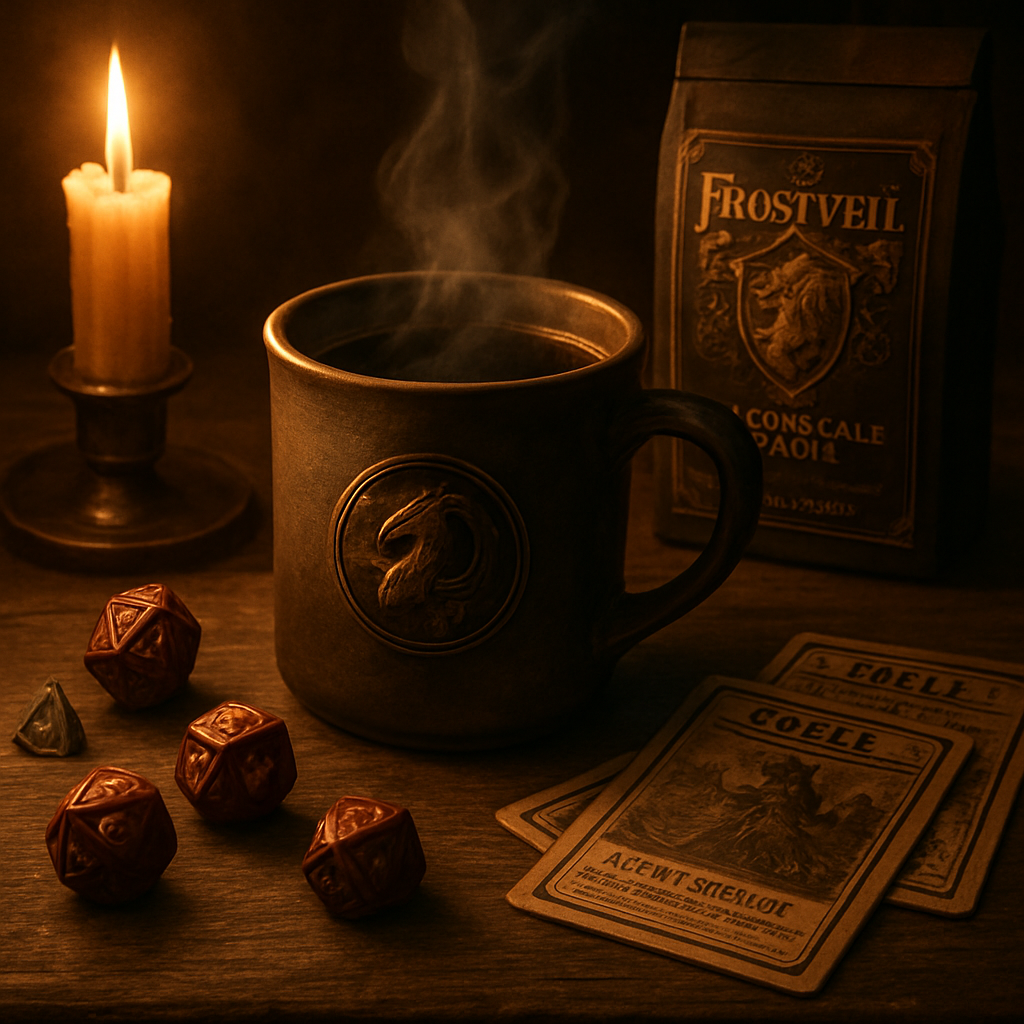
Finally, write down your chosen roast, grind, and brew method on a small parchment card and place it beside the game board. When the session ends, you’ll have a tidy record of which coffee flavour amplified which narrative moment—making next week’s prep as easy as flipping a page. Give it a try tonight, and let the lore of your roast become the secret ingredient that turns a good campaign into an unforgettable saga.
Brewing the Potion: Rituals for Perfect D&D Coffee
Ever felt the weight of a boss fight and realized your mug is as empty as your mana pool? That's the cue to start a brewing ritual that feels like a side‑quest but ends with a heroic cup of dungeons and dragons coffee.
First, gather your tools like a party collects gear. A sturdy French press, a pour‑over dripper, or a simple immersion pot will each become a magical artifact. The choice matters less than the intention you set – think of it as choosing your class before the battle.
Step 1: Choose the brew that matches the scene
If your campaign is a dark‑tower showdown, reach for a bold dark roast – the kind we stock in our Dragon’s Breath blend. For a woodland exploration, a lighter, floral medium roast will keep your senses keen. The grind should be coarser for French press, medium for pour‑over, and fine for immersion.
Step 2: Heat the water with ceremony
Heat filtered water to about 93 °C (just shy of a rolling boil). While the kettle sings, light a scented candle or roll a d20 – the ritual signals to your mind that the brew is a spell, not a shortcut.
For a quick French press rundown, see the overland guide that walks through timing and temperature here. It reminds us to let the water settle for 30 seconds after boiling to avoid burning the grounds.
Step 3: Bloom the grounds
Place the coffee in your vessel, then pour just enough water to wet the grounds. Watch the coffee bloom like a phoenix rising – bubbles will form and release trapped gases. Let it rest for 30‑45 seconds; this is your “initiative count” before the real action begins.
Step 4: The main pour or steep
For French press, add the remaining water, give a gentle stir, and set the timer for four minutes. For immersion, seal the pot and let the grounds soak for three to four minutes, then release through the valve. Our friends at Goat Story describe the immersion magic in their guide.
Step 5: The ceremonial pour
When the timer dings, press the plunger slowly, listening for the soft sigh of coffee flowing. Pour into a mug that already holds a hint of cinnamon or a dash of cocoa – flavors that echo a tavern hearth or a dragon’s hoard.
Now, take a moment to roll a die. If you roll a natural 20, take an extra sip and declare a “critical success” for your next dice roll. If you roll a 1, let the coffee cool a touch and use it as a reminder that even heroes need patience.
Step 6: Engage the senses
Bring the mug close, inhale the aroma, and picture the scene you’re about to narrate. The scent of roasted beans can become the “fog of war” that immerses players deeper into the story. Sip slowly, let the flavor linger, and let it fuel your description of the cavern’s echoing chambers.
Finally, clean your gear with the same care you’d tend to a treasured relic. Rinse the French press, wipe the immersion pot, and store the beans in a parchment‑sealed bag – the same method we recommended earlier for preserving lore.
With these simple steps, your dungeons and dragons coffee becomes more than caffeine; it transforms into a ritual that binds your party, sharpens focus, and turns every session into an epic tale.
Flavor Alignments: Matching Coffee Profiles to Character Classes
Ever wonder why a barbarian’s battle cry feels just as bold as the first sip of a dark roast? It isn’t magic – it’s alignment. When you pair the right dungeons and dragons coffee with a character class, the brew becomes a silent ally, echoing the strengths and quirks of the adventurer in front of you.
Barbarian – The Thunderous Dark Roast
Barbarians thrive on raw power, and they need coffee that can match a war‑hammer swing. A deep, smoky dark roast with notes of charred chocolate, burnt caramel, and a hint of spice does the trick. Think of a coffee that feels like a rolling thunder across a battlefield.
In our experience, a blend like Frostveil’s “Dragon’s Breath” delivers that heavy‑body punch. Brew it in a French press, let it steep four minutes, and watch the foam rise like a battle standard.
Bard – The Lively Medium Roast
Bards weave stories with melody and wit, so they crave a coffee that sings. A medium roast that balances bright acidity with fruity undertones – think red berries, citrus zest, and a whisper of honey – keeps their tongue quick and their verses flowing.
Pair this with a pour‑over to highlight clarity; the steady drip mirrors a bard’s rhythmic rhyme.
Druid – The Earthy Light Roast
Druids are rooted in nature, so they gravitate toward beans that taste like a forest floor after rain. Light roasts from Ethiopia or Kenya, brimming with jasmine, tea‑leaf, and subtle wine‑like fruit, echo the whispers of ancient trees.
A gentle immersion brew extracts those delicate aromatics without crushing the forest‑spirit notes.
Rogue – The Sharp, Complex Blend
Rogues move in shadows, preferring coffee that’s sleek, slightly bitter, and unexpectedly layered. A blend that combines a medium‑dark base with a touch of cacao, black pepper, and a lingering smoky finish feels like a well‑timed backstab.
Try a cold‑brew steeped overnight; the low acidity keeps the edge sharp while the flavor profile stays mysterious.
Cleric – The Balanced, Comforting Roast
Clerics provide stability and healing, so a coffee that offers comfort without overwhelming is ideal. A balanced roast with smooth caramel, vanilla, and a gentle nutty backdrop feels like a warm hymn at sunrise.
Brewing it as a classic drip ensures consistency – the kind of ritual a cleric would perform before a sunrise service.
So, how do you decide which brew fits your party?
| Class | Roast Level | Key Flavor Notes | Suggested Frostveil Blend |
|---|---|---|---|
| Barbarian | Dark | Smoky chocolate, burnt caramel, spice | Dragon's Breath |
| Bard | Medium | Red berries, citrus zest, honey | Songsmith's Serenade |
| Druid | Light | Jasmine, tea‑leaf, wine‑like fruit | Forest Whisper |
| Rogue | Medium‑dark | Cacao, black pepper, subtle smoke | Shadowblade Brew |
| Cleric | Balanced | Caramel, vanilla, toasted nuts | Morning Benediction |
When you sit down for a session, pull the blend that mirrors your lead character’s essence. The aroma becomes a cue, the taste a reminder of the role you’re playing. It’s a tiny, tasty form of world‑building that keeps everyone immersed.
Want a quick cheat‑sheet? Write the class on a sticky note, tuck it under your mug, and let the coffee do the storytelling.
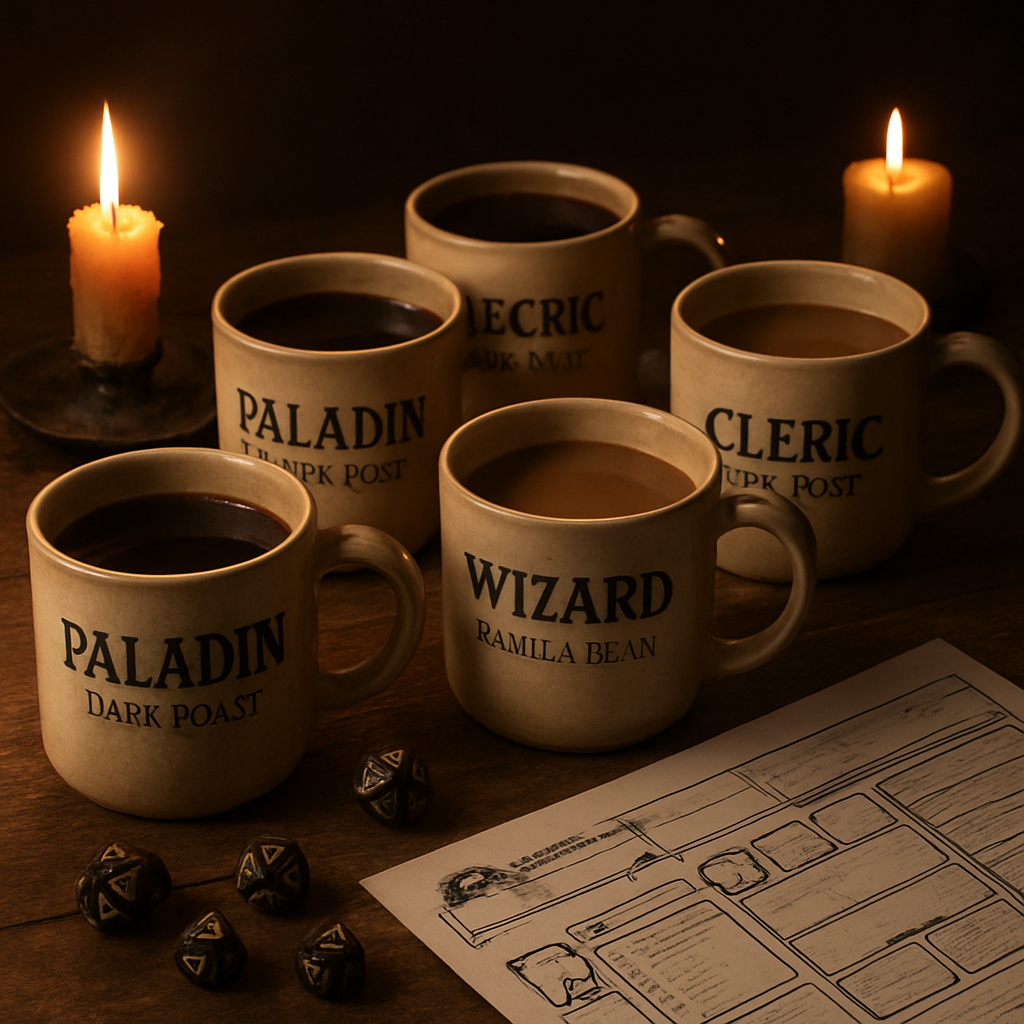
Remember, the goal isn’t to force a perfect match every time; it’s to let the brew spark imagination. Experiment, note the sensations, and you’ll find that the right cup can turn a mundane combat round into a legend worthy of song.
Crafting a Coffee‑Infused Campaign Setting
Ever felt the world of your campaign drift like a mist because the players' focus is elsewhere? That’s the moment a well‑chosen cup of dungeons and dragons coffee can pull them back into the story like a rope of fire.
Start with the story’s geography
Ask yourself where the next scene lives. Is it a cursed swamp that reeks of rot, a bustling market on a sun‑scarred plateau, or a moonlit citadel perched on a cliff? The terrain tells you the flavor family you need. Dark, earthy roasts echo the dankness of a swamp, while bright, citrusy beans feel right for a sun‑lit bazaar.
In our experience, pairing a smoky, chocolate‑forward dark roast with a necromancer’s lair makes the room feel heavier, almost as if the air itself is thick with incense.
Translate mood into brew method
Once you have the roast, pick a brewing ritual that mirrors the scene’s rhythm. A slow, deliberate French press works for solemn council meetings – you let the grounds steep, just as the council deliberates. A quick pour‑over, with its steady drip, suits a chase through a bustling alley where every second counts.
Tip: set a timer for the brew and treat it like an initiative count. When the timer hits zero, the coffee is ready and the encounter rolls forward.
Layer the sensory cues
Don’t stop at taste. Add a garnish or a side that reinforces the setting. A pinch of smoked sea‑salt on a dark roast can hint at a pirate‑cove tavern. A drizzle of honey over a light, floral brew evokes a sylvan glade where sprites dance.
Even the mug matters. A stone‑ware mug feels like a dwarven forge, while a delicate porcelain cup whispers of elven elegance. Let the vessel be part of the world‑building.
Write the lore into the label
Take the time to label each bag with a short phrase that reads like a quest hook. Something like “Ashen Marsh Blend – a brew as murky as the Bog of Gloom.” When a player reaches for that bag, they’re already stepping into the narrative.
Because the label is a tiny piece of lore, you can keep a quick log: roast, brew method, flavor notes, and the scene it supports. Over time you’ll have a personal best‑of‑list that feels like a grimoire of coffee spells.
Store the magic safely
Just as you’d protect a magical artifact, keep your beans airtight, away from light, and at a cool temperature. If you buy in bulk, divide the stash into smaller sealed bags, each tagged with the adventure it belongs to – “Dragon’s Lair – Dark Roast” or “Enchanted Grove – Light Roast.”
That way, when the next session rolls around, you can grab the exact blend without hunting through your pantry.
Turn the ritual into a party tradition
Invite the whole table to participate in the brew. One player measures the grounds, another watches the water heat, a third rolls a die to decide the steep time. The ritual becomes a mini‑encounter, and the coffee itself is a reward for completing the “brew quest.”
When the first sip lands, pause the game for a moment. Let the aroma settle, let the players describe what it reminds them of. You’ll see their descriptions bleed into the role‑play, enriching the scene without a single extra line of narration.
So, what should you do next? Grab a bag that matches your next setting, set the kettle, and let the steam become the mist of your world. The next time your party faces a dragon, the bold, smoky notes of a dark roast will make the battle feel as intense as the brew itself.
Remember, the goal isn’t perfection; it’s connection. A well‑chosen cup of dungeons and dragons coffee can turn a routine combat round into a memory that lingers long after the last dice have been rolled.
Preserving the Brew: Storage, Reuse, and Gift Ideas
Now that you’ve matched the perfect roast to your campaign, the next quest is keeping that magic fresh. A stale cup can ruin even the most epic dragon fight, right?
Lock the treasure chest
Think of your beans as a hoard you’d guard with a dragon’s grip. The two biggest enemies are oxygen and light. An airtight container with a dark exterior—like the metal Fellow Atmos canisters we love—acts like a vault. If you don’t have a fancy canister, a simple mason jar with a rubber seal works just as well.
Pro tip: store the beans at room temperature, away from the stove’s heat. The proper coffee storage tips from coffee pros say a consistent, cool spot keeps the flavors alive for weeks.
And if you buy in bulk? Split the bag into two‑week portions, vacuum‑seal each with a FoodSaver, then pop one into the freezer. When you’re ready to brew, let it thaw to room temperature before opening—this prevents condensation that would otherwise dilute your brew.
Don’t let the grounds go to waste
After you’ve brewed a round of dungeons and dragons coffee, the spent grounds are still valuable. Dry them out and use them as a rustic incense for a tabletop setting. A pinch in a simmering pot of broth adds a smoky depth that feels like a tavern fire.
Or get crafty: blend the grounds into a DIY coffee scrub. Your party’s rogue will thank you for the extra “stealth” boost when they roll a Charisma check after a night of adventuring.
Gift ideas that feel like a quest
Nothing says “I’m in your party” like a custom‑labeled bag of coffee. Grab a small parchment‑wrapped bag, stamp it with the name of the campaign – “Goblin Siege – Dark Roast” – and slip a tiny map inside. It’s a keepsake that players can tuck into their dice bags.
For a truly memorable gift, bundle a bag of Frostveil’s fantasy‑inspired blend with a hand‑painted wooden spoon engraved with a d20. When the DM hands it over, everyone imagines they’ve just received a relic from the realm.
If you’re looking for a ready‑made option, our Tabletop RPG Coffees Collection gathers all the themed blends in one treasure chest. Pick a few, wrap them in twine, and you’ve got a gift that fuels both the imagination and the caffeine levels.
Stashing for the long haul
Even the most dedicated adventurer can’t drink a bag in a single session. To keep the brew tasting fresh for months, follow a simple cycle: airtight container → dark cupboard → occasional sniff test. If the aroma ever smells “off‑like a freezer‑burned dumpling,” it’s time to retire that batch.
Remember, the goal isn’t to lock the beans away forever; it’s to make sure each sip still feels like the first discovery of a hidden vault.
Quick checklist
- Store beans in an airtight, opaque container.
- Keep the stash in a cool, dark pantry.
- Freeze bulk portions in vacuum‑sealed bags, thaw before opening.
- Reuse spent grounds for incense, broth, or body scrub.
- Create custom‑labeled gift bags with campaign names.
- Check aroma regularly – if it’s off, it’s time to replace.
By treating your dungeons and dragons coffee with the same reverence you give a magical artifact, you’ll keep the flavor as vivid as the world you’re building. So, what’s your next move? Grab that sealed jar, label it, and let the next session start with a brew that’s still brimming with adventure.
The Alchemy of Frostveil’s Signature Blends
Ever wondered what separates a mere caffeine boost from a brew that feels like a spell? At Frostveil we treat each batch like a potion, balancing mythic narrative with the chemistry of specialty coffee.
Understanding the core elements
First, we start with the bean’s origin – Ethiopian natural for bright, wine‑like fruit, Colombian for smooth caramel, or Yunnan for earthy depth. Then we decide the roast level, which is the “class” of the blend: light for druids, medium for bards, dark for barbarians.
Next comes the flavor architecture: a base note (chocolate, citrus, jasmine), a middle note (berries, spice, honey), and a finishing note (smoke, nut, vanilla). Think of it as stacking layers of a character sheet. The result is a coffee that tells a story before the first sip.
Signature blends and their lore
Dragon’s Breath – our flagship dark roast. Roasted to a deep, smoky finish with charcoal‑kissed chocolate and a whisper of black pepper. It’s the perfect companion for a dragon‑fight encounter; the lingering bitterness mirrors the lingering threat of a wyrm’s breath.
Songsmith’s Serenade – a medium roast that sings of red berries, orange zest, and a touch of honey. We brew it with a pour‑over to let the bright acidity dance, ideal for bard‑led diplomatic scenes where every word needs a crisp edge.
Forest Whisper – a light, Ethiopian‑sourced roast that highlights jasmine, tea‑leaf, and wild berry notes. An immersion brew extracts the delicate aromatics without crushing them, making it the go‑to for druid‑led wilderness exploration.
Shadowblade Brew – a medium‑dark blend that combines cacao, smoked oak, and a dash of black pepper. Cold‑brew it overnight for a low‑acid, velvety body that feels like a rogue slipping through the shadows.
Morning Benediction – a balanced roast with caramel, vanilla, and toasted almond. A classic drip keeps it steady, mirroring a cleric’s calming presence before a sunrise ceremony.
Crafting your own blend – a mini‑workshop
Want to design a blend that matches your campaign’s unique setting? Here’s a quick, actionable workflow:
- Pick an origin that echoes your locale (Yemen for desert oases, Brazil for volcanic highlands).
- Choose a roast level that mirrors the scene’s intensity.
- Write down three flavor notes you want to hear – base, middle, finish.
- Do a 2‑oz test brew (French press for dark, pour‑over for medium, immersion for light). Note the aroma, body, and aftertaste.
- Adjust grind size or steep time by 10 % until the profile feels right.
- Label the bag with a short quest hook – “Obsidian Keep – Dark Roast” – and store it like a relic.
If you crave a more formal introduction to cupping and profiling, check out a coffee cupping class. It walks you through the sensory vocabulary we use at Frostveil, so you can describe your blend with the same precision as a spell description.
Tips for maintaining the alchemy
Even the most heroic blend will lose its magic if you neglect storage. Keep beans in an airtight, opaque container, and stash the container in a cool, dark pantry. For bulk purchases, divide the roast into two‑week portions, vacuum‑seal, and freeze – then let it thaw to room temperature before opening.
Finally, treat each brew session as a mini‑encounter. Roll a d20 to decide steep time, or let the number of players dictate the amount of grounds. When the aroma fills the room, pause the game for a sensory note‑taking moment – you’ll find the story and the coffee feeding each other.
By understanding the alchemy behind Frostveil’s signature blends, you can turn any coffee break into a narrative catalyst, and perhaps even create a new blend that becomes the legend of your next campaign.
Conclusion
After wandering through roast lore, you’ve seen how dungeons and dragons coffee can turn a simple tabletop night into a living saga.
Think about the last time a dark roast steadied your party before a dragon duel. That lingering smoke isn’t just caffeine – it’s narrative momentum, a cue that says “press on.”
Key takeaways
• Match the roast level to the scene’s mood. Dark for battles, light for exploration.
• Store beans like relics: airtight, dark, cool, and portion‑sealed.
• Turn each brew into a mini‑encounter – roll a die for steep time, note the aroma, then let it fuel your storytelling.
Does any of this feel like a new ritual you want to try? Grab a bag from our Tabletop RPG Coffees Collection, label it with a quest hook, and let the first sip set the stage.
One quick habit that keeps the story fresh is a “brew log.” Jot down the blend, water temperature, and the moment you felt the narrative click. After a few sessions you’ll spot patterns – maybe a citrusy Ethiopian works best for forest quests, while a smoky Yunnan shines in siege scenes. That notebook becomes your personal grimoire of coffee magic.
Remember, the magic isn’t in the beans alone; it lives in the moment you share them. So next time you gather the dice, pour the brew, and let the adventure begin.
FAQ
What is dungeons and dragons coffee and why does it matter for my game night?
Think of dungeons and dragons coffee as a ritual‑ready brew that mirrors the tone of your session. A dark, smoky blend can heighten the tension of a dragon fight, while a bright, floral light roast keeps a woodland trek feeling fresh. The right cup becomes a sensory cue, nudging players into the story without a single extra line of narration.
How do I choose the right roast for different campaign moods?
Start by matching the roast’s personality to the scene’s emotion. Dark roasts bring weight and grit—perfect for siege or necromancer lairs. Medium roasts sit in the middle, offering bright acidity that fuels diplomatic intrigue. Light roasts highlight delicate notes that echo a quiet forest or a sunrise quest. Keep a quick cheat‑sheet at the table and let the aroma set the mood.
Can I use the same coffee blend for every session, or should I rotate flavors?
You can stick with a favorite, but rotating flavors adds an extra layer of world‑building. Imagine swapping a smoky “Dragon’s Breath” for a citrusy “Sunlit Bazaar” when the party moves from a dungeon to a bustling market. The change signals a shift in narrative focus, and over time your brew log will reveal which blends spark the most vivid player descriptions.
What brewing method works best for a quick tabletop ritual?
For a fast‑paced night, a pour‑over is ideal: it’s swift, offers clean flavor, and the steady drip mimics the rhythm of rolling dice. If you prefer a hands‑off approach, a French press lets you steep while the party sets up the board—just press when the timer dings and you’ve got a bold cup ready for the first encounter.
How can I store my fantasy‑inspired coffee so it stays fresh across multiple campaigns?
Treat the beans like a relic: airtight, opaque containers in a cool, dark pantry. Split bulk purchases into two‑week portions, seal each with a zip‑lock or vacuum bag, and freeze one batch if you won’t use it soon. When you’re ready, let the frozen bag thaw to room temperature before opening to avoid condensation that dulls flavor.
Is it okay to add themed garnish or spices to my brew?
Absolutely. A pinch of smoked sea‑salt on a dark roast can evoke a pirate tavern, while a drizzle of honey over a light, jasmine‑laden blend conjures an elven glade. Keep the garnish subtle—just enough to echo the setting without overwhelming the coffee’s natural profile. A small garnish becomes a visual cue that deepens immersion.
What should I do if a player is sensitive to caffeine during long sessions?
Offer a decaf version of your favorite blend or switch to a low‑acid cold‑brew that still carries the same flavor story. You can also serve a “heroic mocktail” using herbal tea infused with similar notes—think rooibos with a dash of cinnamon for a warm, spice‑laden feel. The key is preserving the narrative cue while respecting the player’s comfort.