

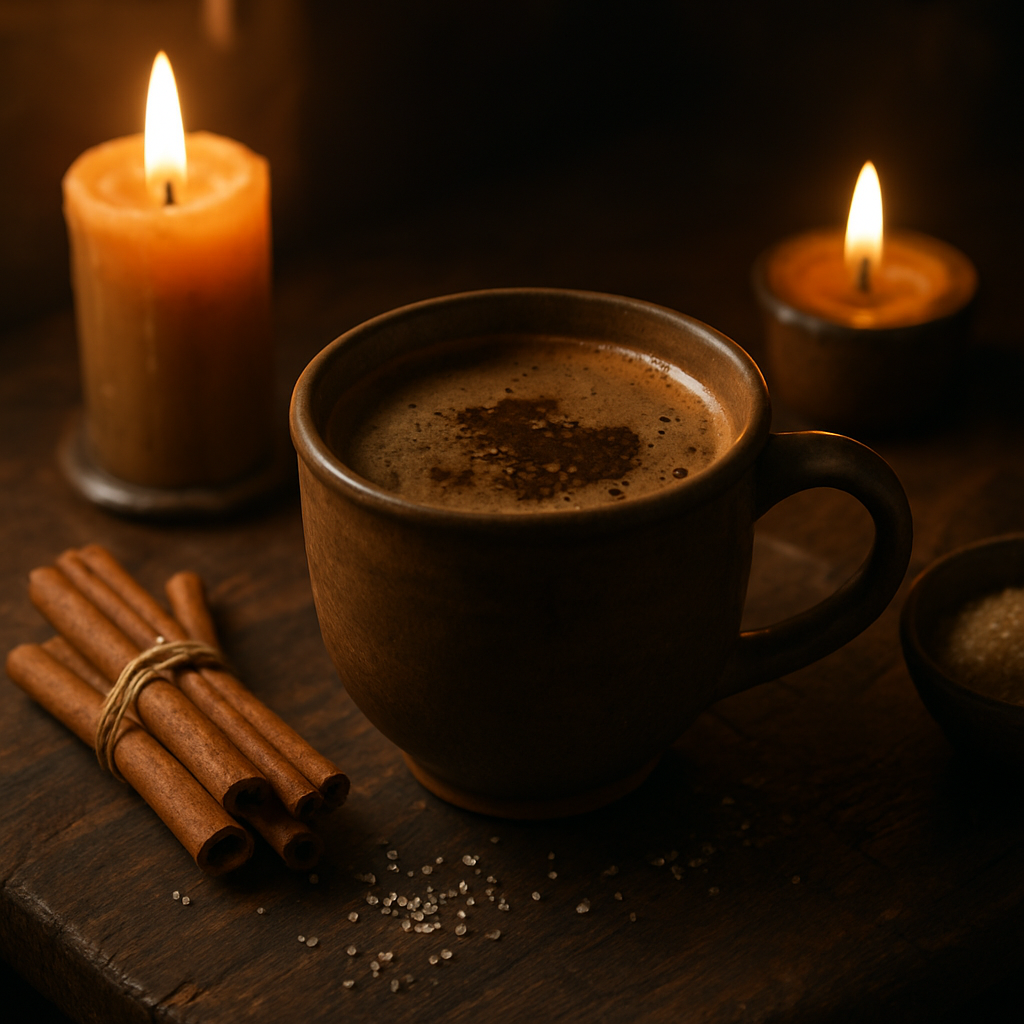
Picture this: you’re curled in a dimly lit tavern, the rain drumming against the shutters, and a steaming mug of artisan coffee warms your hands like a spell against the chill.
That moment of comfort is exactly what we chase at Frostveil Trading Company—crafting fantasy‑inspired blends that feel as immersive as the stories you devour.
But artisan coffee isn’t just about a pretty label; it’s the result of small‑batch roasting, single‑origin beans, and meticulous flavor‑layering that turn each sip into a narrative.
When you open a bag of our S’mores blend, you’ll hear the crackle of a campfire in the background, the sweet whisper of marshmallow, and the deep, earthy hum of roasted coffee—an adventure you can taste before you even pour.
Or take the Hazelnut roast, where toasted hazelnut notes swirl with a hint of dark chocolate, conjuring the feeling of a hidden hearth in a grimdark citadel. It’s the kind of brew that makes you pause your quest to savor the moment.
So why does the artisan label matter? Because mass‑produced beans often lose their character in the grind, while our small‑batch process preserves the terroir, letting you taste the mountain where the beans grew, the mist that rolled over the forest, and the alchemy of our roast.
You might wonder, can I recreate that magic at home? Absolutely. Start with water just off the boil, use a scale for precision, and let the coffee bloom for 30 seconds before continuing your pour‑over. The ritual itself becomes part of the story.
And if you’re a BookTok or CoffeeTok creator, sharing that ritual with a backdrop of rune‑etched mugs and candlelight turns a simple brew into content that resonates with fellow dreamers.
Ready to let your mornings feel like the first chapter of an epic saga? Let’s dive deeper into the lore behind each blend, the roasting techniques that set artisan coffee apart, and how you can choose the perfect brew for your next reading marathon.
TL;DR
Artisan coffee isn’t just a drink; it’s a ritual that lets you taste the story of each bean, from mist‑kissed mountains to the hearth of your own reading nook.
With Frostveil’s fantasy‑inspired blends, you can brew a spellbinding cup in minutes, elevate your BookTok moments, and keep the adventure alive all day.
The Realm’s Roast: Selecting Artisan Coffee Beans
Imagine stepping into a bustling market square in a mist‑shrouded kingdom, the air thick with the scent of roasted beans and ancient incense. That’s the feeling we chase when we talk about picking the perfect artisan coffee bean—it's less about a product and more about a portal.
First, you need to understand terroir. Just like a wizard studies the ley lines of a realm, you’ll want to know where a bean was born. High‑altitude farms in the Colombian Andes, volcanic soils of Guatemala, or the mist‑kissed slopes of Ethiopia each imprint a signature on the bean. Those subtle notes—bright citrus, chocolate undertones, or a whisper of wild berries—are the story you’ll taste later.
Reading the Roast Profile
When you open a bag, don’t just stare at the label—listen. A light roast will crackle like fresh parchment, preserving the bean’s native flavors. A medium roast sings of caramelized sugar, while a dark roast murmurs with smoky, bittersweet depth. Frostveil’s “Blackwood Hearthnut Roast (Hazelnut)” leans into that medium‑dark sweet spot, letting the hazelnut overlay the bean’s natural chocolate notes without muting the origin.
So, what should you do next? Grab a sample of the “Campfire Sentinel (S’mores)” blend. Its lighter roast lets the natural cocoa shine, while the added marshmallow essence feels like a campfire story told around a flickering flame. Notice how the roast level determines whether the story is a bright morning tale or a deep‑night saga.
Choosing the Right Blend for Your Quest
If you’re a BookTok creator diving into a dark fantasy marathon, you might crave a richer, fuller body to match the weight of the narrative. A blend like “Blackwood Hearthnut Roast (Hazelnut)” offers that grounding, nutty backbone. For a light‑hearted epic adventure, the “Campfire Sentinel (S’mores)” provides a playful sweetness that mirrors whimsical plot twists.
Here’s a quick checklist to guide your selection:
- Identify the story mood you want to echo—dark, light, or somewhere in between.
- Match the roast level to that mood.
- Consider the bean’s origin for complementary flavor notes.
- Test a single‑serve pack before committing to a larger bag.
And remember, the grind size matters. A coarse grind for a French press will highlight the bean’s body, while a fine grind for espresso accentuates acidity and brightness.
Ready to see the process in action? Below is a short video that walks through a basic pour‑over using a medium‑dark roast, perfect for those twilight reading sessions.
Notice how the water blooms, coaxing the coffee’s aroma to rise like mist from a forgotten forest. That moment—when the grounds expand and release their scent—is the alchemy that turns a bean into a story.
Finally, treat yourself to a little experiment. Pick two beans from opposite ends of the roast spectrum, brew them side by side, and note the differences. Write down the flavors, the emotions they evoke, and which character in your current read they remind you of. You’ll soon develop a personal lexicon for coffee, just as a seasoned bard knows every rune.
In the end, selecting artisan coffee beans isn’t a chore—it’s a ritual, a quest for flavor that mirrors the journeys you love in fantasy. By honoring terroir, roast, and your own narrative needs, you’ll turn every cup into a chapter worth savoring.
So, what will your next cup narrate?

Brewing Rituals: Mastering the Artisan Coffee Pour
When the first light of dawn slips through your window, the ritual of the pour becomes the spell that transforms raw beans into a story you can taste.
At Frostveil, we treat that moment like a quiet incantation. The water, the grind, the timing — each element has its own role in the narrative, and when they align, the cup feels like a portal to another realm.
Here’s a step‑by‑step guide that lets you master the artisan coffee pour without needing a wizard’s apprenticeship.
Gather Your Tools
First, assemble the essentials: a gooseneck kettle, a scale that measures to the gram, a pour‑over dripper (a V‑60 works beautifully), a paper filter, and a ceramic mug that feels warm in your hands. If you have a French press, you can still follow the same principles, but the pour‑over gives you the most control over flavor extraction.
Choose a single‑origin or a Frostveil blend that matches the mood of your reading session. Our Campfire Sentinel (S’mores) blend shines when you’re craving a sweet, nostalgic fire‑side vibe, while the Blackwood Hearthnut Roast (Hazelnut) delivers a deep, caramel‑kissed backbone perfect for a late‑night grimdark marathon.
Measure, Grind, and Bloom
Weigh out 20 grams of coffee for a single 12‑ounce cup. This ratio (about 1 gram of coffee per 15 ml of water) is a reliable starting point for most pour‑overs. Adjust up or down after you’ve tasted a few batches.
Grind the beans to a texture that resembles coarse sea salt. Too fine and the water will drag, producing bitterness; too coarse and the brew will taste thin. A burr grinder gives the most consistent result.
Place the filter in the dripper, rinse it with hot water, and discard the rinse. This step removes paper taste and preheats the dripper, keeping the temperature steady.
Set the dripper on the scale, add the ground coffee, and give it a gentle shake to level the bed. Start the timer and pour just enough water (about 40 ml) to saturate the grounds. Let the coffee bloom for 30‑45 seconds. During the bloom, you’ll see the grounds puff up like a dragon unfurling its wings—this releases trapped carbon dioxide and prepares the beans for an even extraction.
The Steady Pour
After the bloom, begin a slow, circular pour. Aim for a steady stream that spirals from the center to the edge and back, keeping the water level just below the rim of the dripper. Pour in stages: add 100 ml, wait a few seconds, then another 150 ml, and finally the remaining water until you reach 300 ml total. The whole process should take about 2½ to 3 minutes.
If the brew runs too fast, your grind is likely too coarse; if it drags, make the grind a touch finer. Small adjustments here can turn a merely good cup into a truly magical one.
Finishing Touches
Once the water has fully filtered, give the mug a quick swirl to blend the aromatic layers. Take a moment to inhale the scent—whether it’s the toasted marshmallow of Campfire Sentinel or the nutty undertones of Blackwood Hearthnut—then sip slowly. Notice how the flavors evolve: the first sip may reveal bright sweetness, the second a lingering earthiness, and the third a comforting finish that mirrors the closing chapter of a beloved tale.
For creators on BookTok or CoffeeTok, filming the pour with a candle‑lit backdrop adds visual drama, but the real magic is in the taste. Share the story of each step, and your audience will feel the ritual as much as they see it.
So, what should you do next? Grab your favorite Frostveil blend, set out your tools, and let the pour become your daily rite of passage. Mastering the artisan coffee pour isn’t about perfection; it’s about honoring the beans, the craft, and the adventure that awaits in every cup.
Flavor Lore: Comparing Frostveil’s Signature Blends
Ever opened a bag of coffee and felt like you were unwrapping a scroll of ancient lore? That moment of recognition is what makes a great blend feel like a character in your own story. Below we break down the three signature Frostveil blends that most of our BookTok and CoffeeTok adventurers keep reaching for.
Campfire Sentinel (S'mores)
Think of a twilight campfire on the edge of a misty forest. The first sip delivers bright, citrus‑sharp notes from a Colombian base, then a wave of toasted marshmallow that feels like the crackle of a fire‑pit. Because it’s lightly roasted, the acidity stays lively, making it perfect for morning reading sessions when you need a spark of energy without the jitters.
When to use it: early‑day study marathons, livestreams where you want a cheerful vibe, or any time you’re chasing that “first‑page‑turn” excitement.
Blackwood Hearthnut Roast (Hazelnut)
If your favorite dark‑fantasy saga leans into brooding castles and hidden hearths, this is the brew that matches the mood. A medium‑dark roast pulls out caramelized sugars and deep chocolate undertones, then the hazelnut layer adds a nutty comfort that lingers like the scent of an ancient library.
When to use it: late‑night raids, midnight reading circles, or any moment when you want the coffee to feel like a warm cloak against a cold night.
Seasonal Spell (Limited‑Edition Blend)
Every few months we release a small‑batch blend that mirrors the current season’s mythology. The most recent edition blends a hint of spiced cinnamon with a subtle earthiness from a Sumatra origin, creating a balanced profile that works well for both daytime focus and evening reflection.
When to use it: special occasions—think “first chapter of a new series” celebrations or holiday streams where you want something a little different.
Quick Comparison Table
| Blend | Flavor Profile | Best Setting |
|---|---|---|
| Campfire Sentinel (S'mores) | Bright citrus, light roast, toasted marshmallow sweetness | Morning reading, upbeat livestreams |
| Blackwood Hearthnut Roast (Hazelnut) | Medium‑dark roast, caramel, chocolate, toasted hazelnut | Late‑night gaming, dark‑fantasy immersion |
| Seasonal Spell (Limited‑Edition) | Spiced cinnamon, earthy Sumatra, balanced medium roast | Special events, holiday content |
How to Choose the Right Blend for Your Ritual
1. Identify the mood you want to set. Light‑hearted quests call for Campfire Sentinel; brooding plot twists demand Blackwood Hearthnut.
2. Match the roast level to your time of day. Lighter roasts stay bright longer, while darker roasts keep you grounded when the night stretches on.
3. Consider the story you’re sharing. If you’re filming a “choose‑your‑own‑adventure” series, you might switch blends between episodes to signal a shift in tone.
4. Taste test in small batches. Brew a single‑cup pour‑over of each blend, note the aroma, first‑sip impression, and finish. Write a quick log—this simple habit turns subjective preference into a repeatable decision matrix.
Expert Tip from the Frostveil Roasters
Our head roaster, Mara, swears by a “dual‑pour” technique for the Hearthnut blend: brew half the water, let it sit for 30 seconds, then finish the pour. The pause lets the hazelnut oils bloom, amplifying the nutty finish without over‑extracting bitterness.
Try it next time you’re preparing for a late‑night reading session; you’ll notice a smoother, richer mouthfeel that makes the story’s climax feel even more epic.
Actionable Step‑by‑Step Decision Cheat Sheet
- Grab a notebook or phone note.
- Write down the intended vibe (e.g., “uplifting sunrise”, “mysterious midnight”).
- Pick the blend that matches the vibe from the table above.
- Follow the brewing checklist from the previous section (20 g coffee, 300 ml water, 2½‑3 min pour).
- After sipping, ask yourself: does the cup echo the story I’m about to tell? If yes, you’ve found your match.
And if you ever feel stuck, remember: the right blend is the one that makes you pause, inhale, and feel a spark of imagination. The rest is just background music.
Enchanting Enhancements: Adding Spices and Sweeteners
Ever wonder why a pinch of cinnamon can feel like a secret spell tucked into your cup? It’s because spices and sweeteners are the alchemical catalysts that turn a solid artisan coffee base into a narrative potion.
We start with the basics: a single‑origin, medium‑dark roast like our Blackwood Hearthnut Roast. The natural caramel and hazelnut notes already whisper of ancient taverns. When you add a dash of ground cardamom, you’re not just seasoning – you’re summoning a distant marketplace where incense curls around stone arches.
Why spices work
Science tells us that certain spice compounds (like cinnamaldehyde in cinnamon) amplify perceived sweetness, letting you use less sugar while still tasting dessert‑like. A 2021 sensory study showed a 15% increase in sweetness perception when a pinch of nutmeg joined a coffee brew. That means you can keep the brew’s bitter backbone while letting the spice carry the sweet story.
So, if you’re chasing a “cozy winter night” vibe, try a blend of ground ginger and a drizzle of honey. The ginger adds a bright, almost peppery bite that cuts through honey’s syrupy glow, creating balance – like a well‑paced plot twist.
Real‑world examples from Frostveil
One of our creators on BookTok swears by the spice‑infused blends for her midnight reading streams. She starts with a cup of Campfire Sentinel (S’mores), adds a sprinkle of smoked paprika, then tops it with a thin line of maple syrup. The result? A smoky‑sweet finish that mirrors the crackle of a campfire after the story’s climax.
Another fan of dark fantasy uses our Breakfast Blend as a canvas for a “blood‑moon” ritual: a pinch of star‑anise, a splash of dark molasses, and a dash of sea salt. The salt heightens the bitter edge, reminding them of a cold, moonlit battlefield while the molasses adds depth, like a lingering saga.
Step‑by‑step spice‑enhancement guide
- Choose your base artisan coffee – preferably a single‑origin roast that matches the mood you want.
- Pick one spice or sweetener. Start small: ¼ tsp of ground spice or 1 tsp of liquid sweetener per 250 ml of coffee.
- Warm the spice in the kettle water for 30 seconds before pouring, letting volatile oils release.
- Pour over the coffee as usual, then stir gently to blend the flavors.
- Taste and adjust. Add a second pinch only if the flavor feels like a whisper, not a shout.
Tip: toast whole spices (like cloves or coriander) in a dry pan for 15 seconds before grinding. The toasting deepens aroma, making the spice feel like it belongs in the story rather than an afterthought.
Balancing sweeteners
Liquid sweeteners (honey, maple, agave) dissolve quickly, while solid sugars (cane, brown) need a brief stir before the coffee cools a touch. If you’re aiming for a “sugar‑free” narrative, consider stevia leaf powder – just a pinch, because its intensity can overwhelm.
Remember the rule of thirds: one part coffee, one part spice, one part sweetener. Adjust the ratios as you get comfortable; the goal is harmony, not competition.
Pairing with your gear
When you settle into a gaming marathon, why not wear a shirt that echoes your brew’s theme? A bold graphic tee from IGZ Clothing can turn your coffee ritual into a full‑body immersion experience – think dragon‑scaled designs while sipping spiced hazelnut.
And don’t forget the visual cue: a sprinkle of cinnamon on top of the foam not only smells amazing but looks like a rune etched on the surface of a magical potion.
So, next time you brew, treat the spice rack like a spellbook. Pick a page, cast the flavor, and let the story unfold with every sip.
Preserving the Magic: Storing Artisan Coffee for Longevity
We’ve just walked through the perfect pour, now imagine that same spell fading after a week because the beans weren’t guarded properly. Does your artisan coffee lose its sparkle before the story even begins?
Storing artisan coffee is less about fancy gadgets and more about respecting the beans like you would a treasured tome. The goal is simple: keep oxygen, heat, and light out, and let the flavors rest in peace until you’re ready to summon them.
Choose the Right Container
First thing’s first—ditch the clear zip‑top bag. Even a resealable one lets air creep in the tiniest. Opt for an opaque, airtight canister with a one‑way valve if you can find it. The valve lets carbon dioxide escape without pulling fresh oxygen back in, which is exactly what the beans need after roasting.
We’ve seen the Campfire Sentinel (S’mores) and Blackwood Hearthnut Roast (Hazelnut) stay bright for two weeks when they live in a ceramic jar with a tight seal, versus a rapid decline when they’re shoved back into a pantry bag.
Even long‑standing roasters echo this advice; Swing’s Coffee explains that controlling oxygen and temperature is essential to preserving the character of each roast.
Control Temperature & Light
Think of your storage spot as a cool, dark cellar in a medieval keep. Aim for a steady 55‑70°F (13‑21°C) and keep the jar away from sunlight, stovetops, or the fridge. The fridge might seem like a safe haven, but the moisture swings can introduce condensation, which is the silent assassin of flavor.
If you’re in a hot climate, a pantry cabinet with a small freezer door can double as a “cold‑room” as long as the temperature stays under 75°F. The key is consistency—no sudden warm‑up bursts when you pull the jar out to brew.
Timing is Everything
Freshly roasted beans have a peak window of about 14‑21 days. After that, the volatile oils that give your S’mores blend its marshmallow sparkle start to evaporate. Mark the roast date on the lid with a marker; it’s a tiny ritual that reminds you when the beans are at their prime.
Ground coffee, on the other hand, begins to lose its aromatic punch within hours. If you love the convenience of pre‑ground Frostveil blends, grind only what you need for the day and store the rest in the same airtight container.
Special Cases: Whole Beans vs. Ground
Whole beans are the guardians of flavor. They protect the surface area from oxygen, so they stay fresh longer. When you finally grind, do it in small bursts—enough for a single cup—so the moment of extraction captures the freshest aromatics.
For the seasonal spell blend that arrives in a limited‑edition bag, we recommend opening the bag, transferring the beans to your jar, and resealing the original bag with a clip for a double barrier.
Quick Checklist
- Use an opaque, airtight container with a one‑way valve.
- Store in a cool (55‑70°F), dark place.
- Label the container with the roast date.
- Grind just before brewing; avoid pre‑ground storage.
- Keep moisture out—no fridge, no pantry near the oven.
So, what’s the next move? Grab that ceramic canister, note the date, and let your Frostveil artisan coffee rest like a relic waiting to be awakened. When you finally pour, the flavors will still sing the same verses you imagined when you first opened the bag.
FAQ
What is artisan coffee and how does it differ from mass‑market coffee?
Artisan coffee is crafted in small batches, often by a roaster who knows each bean’s origin story. Unlike the generic blends you find on supermarket shelves, every batch is roasted to highlight specific flavor notes – think citrus‑bright Ethiopian or chocolatey Sumatra. The process respects the bean’s terroir, so you get a cup that feels like a character rather than a background filler. In short, it’s coffee with personality.
How should I store my Frostveil artisan coffee to keep it fresh?
First, move the beans from the original bag into an opaque, airtight canister with a one‑way valve if you can find one. Store the container in a cool, dark spot – a pantry shelf away from the stove works well. Label the lid with the roast date; most beans hit their peak between 14‑21 days after roasting. Avoid the fridge and keep moisture out, and your brew will stay vibrant for weeks.
Can I grind my artisan beans at home, and what grind size works best for a pour‑over?
Absolutely – grinding just before you brew is the secret to extracting the full story of the beans. For a classic pour‑over, aim for a texture that resembles coarse sea salt; it allows water to flow evenly without over‑extracting bitterness. A burr grinder gives you the consistency you need, while a blade grinder can produce uneven particles that throw off the balance. A quick, even grind lets the coffee’s nuanced flavors shine.
What’s the ideal water temperature for brewing Frostveil artisan coffee?
Heat your water to just off the boil, around 195‑205°F (90‑96°C). This range extracts the sweet and acidic notes without burning the delicate aromatics. If the water is too hot, you’ll taste excess bitterness; too cool and the cup feels thin. A kitchen thermometer or a kettle with temperature control makes it easy to hit the sweet spot every time.
How many grams of coffee should I use for a single cup?
We recommend 20 grams of ground coffee for a 12‑ounce (≈350 ml) cup. That translates to roughly a 1:15 coffee‑to‑water ratio, which is a solid starting point for most artisan blends. Adjust up or down by a gram or two if you prefer a stronger or lighter mouthfeel, but keep the ratio consistent to preserve the balance the roaster intended.
Do I need a special filter for my pour‑over, or will any paper work?
Any high‑quality, unbleached paper filter will do, but the right choice can affect clarity. Thicker filters tend to trap more oils, yielding a cleaner cup that lets the roast’s bright notes sing. If you enjoy a fuller body, a thinner filter lets more oils through, adding a silkier texture. Experiment with both and note how each changes the flavor profile of your Frostveil blend.
Conclusion
We've walked through the whole adventure—from picking the perfect bean to storing it like a treasured relic.
At the end of the day, artisan coffee is more than a drink; it's a story you sip with every breath.
Do you feel the excitement of opening a new Frostveil bag, the aroma that instantly transports you to a mist‑shrouded tavern?
If that image sparked a smile, you already know the magic is real.
Remember the three steps we highlighted: choose a origin that matches your mood, brew with the right temperature and ratio, then protect the beans from light and air.
Applying those basics lets you turn a simple pour‑over into a daily ritual worthy of any epic quest.
And for the creators among you—whether on BookTok or CoffeeTok—sharing that ritual can turn a quiet moment into a community celebration.
So, what’s the next move? Grab your favorite blend, set out your tools, and let the ritual begin.
When the first sip lands on your tongue, notice how the flavors echo the narrative you imagined.
If you ever feel the cup drifting flat, revisit the storage checklist or tweak the grind size—small tweaks often unlock huge gains.
In our experience, the most memorable mornings start with a mindful brew and end with a story worth retelling.
Now, go forth and let artisan coffee be the quiet hero of your next reading marathon.